Portable WiFi Devices: Complete Guide to Fast Internet Anywhere
Staying connected has become essential for work, education, travel, and entertainment.
Whether you're working remotely, attending online meetings, or accessing cloud-based applications, a reliable internet connection makes everyday tasks easier. Portable WiFi Devices provide internet access without depending entirely on public networks or fixed broadband connections, making them a practical option for people who need connectivity while traveling or working from different locations.
This guide explains what Portable WiFi Devices are, how they work, their common types, benefits, applications, and the latest trends in mobile connectivity.
What Are Portable WiFi Devices?
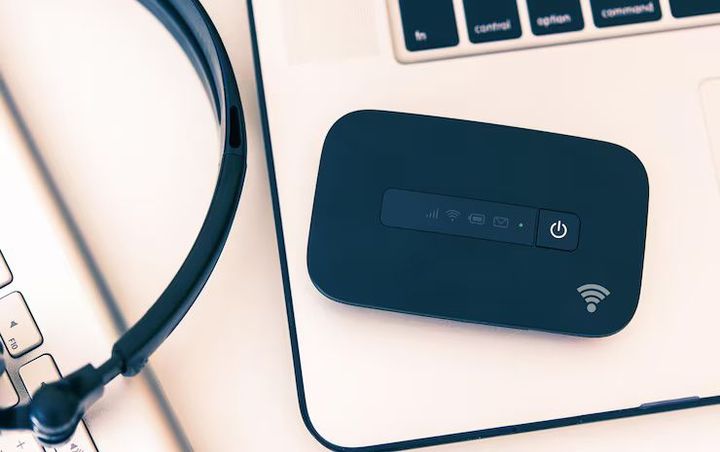
Portable WiFi Devices are compact wireless networking devices that create a personal internet hotspot using cellular data networks. They allow multiple devices, such as smartphones, laptops, tablets, and smart devices, to connect to the internet through a secure wireless connection.
Unlike traditional home routers, portable WiFi devices are lightweight, battery-powered, and designed for mobility. They are commonly used during travel, outdoor activities, business trips, and remote work.
Why Portable WiFi Devices Are Important
Internet access is no longer limited to homes and offices. Many professionals, students, and travelers require reliable connectivity while moving between locations.
Portable WiFi Devices provide greater flexibility by creating a private wireless network almost anywhere with cellular coverage. They also reduce dependence on public WiFi networks, which may have inconsistent performance or security concerns.
As remote work and digital collaboration continue to grow, portable internet solutions have become valuable tools for maintaining productivity outside traditional workplaces.
How Portable WiFi Devices Work
Portable WiFi Devices connect to a mobile network using a SIM card or embedded cellular technology. Once connected, the device converts the mobile data signal into a wireless WiFi network that nearby devices can access.
The process typically involves three stages:
Mobile Network Connection
The device communicates with a nearby cellular tower using 4G LTE or 5G technology.
Wireless Signal Distribution
After receiving the mobile data connection, it broadcasts a secure WiFi signal that multiple devices can join simultaneously.
Internet Access
Connected devices share the available bandwidth, allowing users to browse websites, participate in video calls, stream media, and access cloud applications.
Common Types of Portable WiFi Devices
Different devices are designed for different connectivity needs.
Mobile Hotspots
These compact devices are the most common option for personal internet access and support several connected devices at once.
Travel Routers
Travel routers create secure wireless networks while supporting internet sharing across hotels, offices, and temporary workspaces.
USB Cellular Modems
These connect directly to laptops or desktop computers, providing internet access without requiring a separate wireless network.
5G Portable Routers
Modern 5G devices deliver faster speeds, lower latency, and improved performance where compatible mobile networks are available.
Key Features to Consider
When comparing Portable WiFi Devices, several features influence performance and usability.
Important considerations include:
- 4G LTE or 5G compatibility
- Battery life
- Number of supported devices
- WiFi standards
- Network security
- USB charging support
- Display screen
- SIM compatibility
- Signal strength
- Compact design
Selecting features that match your usage helps improve the overall connectivity experience.
Common Applications
Portable WiFi Devices support internet access across many situations.
Remote professionals use them while working from client locations or temporary offices. Students rely on them for online learning and research. Travelers use portable internet during vacations and international trips, while event organizers deploy them for temporary connectivity at exhibitions and conferences.
Construction sites, transportation services, emergency response teams, and outdoor events also benefit from mobile internet solutions where fixed broadband infrastructure may not be available.
Benefits of Portable WiFi Devices
One of the main advantages of Portable WiFi Devices is flexibility. Users can establish a secure wireless connection almost anywhere covered by a compatible mobile network.
These devices also improve security by reducing reliance on shared public WiFi networks. A private wireless connection helps protect personal data during activities such as online banking, business communication, and cloud access.
Another benefit is multi-device connectivity. A single portable hotspot can connect smartphones, tablets, laptops, and other wireless devices simultaneously, making it useful for both individuals and small groups.
Their compact size, rechargeable batteries, and simple setup also make them convenient for travel and everyday mobility.
Future Trends
Portable connectivity continues to evolve with advances in 5G technology, WiFi 6, and intelligent network management. Faster mobile networks are improving download speeds and reducing latency for cloud applications and video communication.
Artificial intelligence is also helping optimize network performance, while longer battery life and improved energy efficiency are making portable devices even more practical. As global mobile coverage expands, portable WiFi solutions will continue supporting reliable internet access across a wider range of environments.
Frequently Asked Questions
What are Portable WiFi Devices?
They are compact wireless devices that create a personal WiFi network using a mobile data connection.
How many devices can connect?
The number varies by model, but many devices support multiple simultaneous wireless connections.
Where are Portable WiFi Devices commonly used?
They are widely used during travel, remote work, education, outdoor activities, business trips, and temporary work locations.
Are Portable WiFi Devices secure?
They generally provide more secure private wireless connections than many shared public WiFi networks when configured with appropriate security settings.
What network technologies do they support?
Most modern devices support 4G LTE, while newer models also support high-speed 5G connectivity.
Conclusion
Portable WiFi Devices have become an important solution for people who need reliable internet access beyond traditional home and office networks. Their portability, secure wireless connectivity, and support for multiple devices make them suitable for travel, remote work, education, and business use.
As mobile technology continues advancing through 5G, WiFi 6, and intelligent connectivity features, portable WiFi devices will remain an essential part of modern digital communication and mobile productivity.