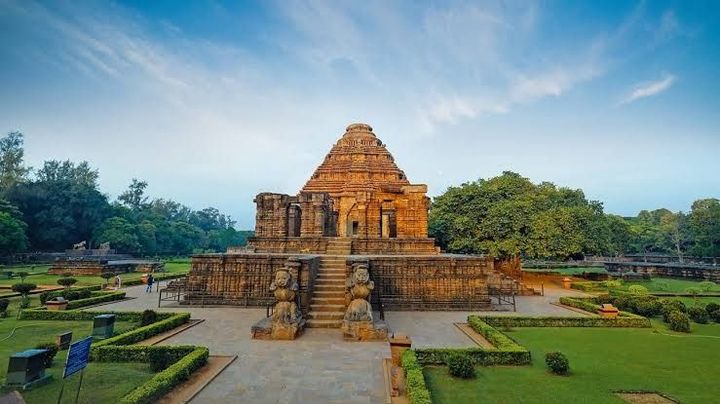
Top Heritage Circuits in India: Complete Travel Guide
India's rich history is reflected in its magnificent forts, ancient temples, royal palaces, historic cities, and archaeological wonders.
Every region tells a unique story shaped by centuries of culture, architecture, and tradition. Exploring the country's heritage circuits allows travelers to experience these remarkable destinations through carefully planned travel routes that connect some of India's most celebrated historical landmarks.
Whether you're interested in UNESCO World Heritage Sites, architectural marvels, cultural tourism, or historical monuments, understanding India's heritage circuits can help you create a rewarding travel experience. This guide explores some of the most popular heritage routes, their highlights, travel planning tips, and emerging trends in heritage tourism.
What Are Heritage Circuits?
Heritage circuits are travel routes that connect historically and culturally significant destinations within a region. Instead of visiting a single city, travelers explore multiple landmarks that share historical, architectural, or cultural connections.
These circuits often include ancient temples, royal palaces, forts, museums, heritage towns, archaeological sites, and traditional markets, offering a deeper understanding of India's diverse cultural legacy.
Why Heritage Circuits Are Popular
Heritage travel provides much more than sightseeing. It allows visitors to understand local traditions, architectural styles, historical events, and regional cultures through immersive travel experiences.
A growing number of travelers are choosing cultural tourism, historical tours, and heritage travel experiences that combine education with exploration. Well-planned heritage circuits also make it easier to visit several destinations within one itinerary while experiencing the unique identity of each region.
Top Heritage Circuits to Explore
Golden Triangle Circuit
The Golden Triangle is one of India's most famous travel routes, connecting Delhi, Agra, and Jaipur.
Highlights include:
- Historic forts
- Mughal architecture
- Royal palaces
- Traditional bazaars
- UNESCO World Heritage Sites
This circuit introduces travelers to India's royal history, architectural excellence, and vibrant cultural heritage.
Rajasthan Heritage Circuit
Rajasthan is known for magnificent forts, desert landscapes, and royal palaces.
Popular destinations include Jaipur, Jodhpur, Udaipur, Jaisalmer, and Bikaner. Visitors can experience grand architecture, colorful festivals, traditional crafts, and centuries-old cultural traditions.
South India Temple Circuit
Southern India is home to remarkable temple architecture and ancient cultural centers.
Destinations such as Madurai, Thanjavur, Hampi, Mysuru, and Mahabalipuram showcase impressive stone carvings, historic temples, and UNESCO-recognized heritage sites.
Buddhist Heritage Circuit
This circuit connects important locations associated with the life and teachings of Gautama Buddha.
Popular destinations include Bodh Gaya, Sarnath, Kushinagar, Rajgir, and Nalanda, attracting visitors interested in history, spirituality, and archaeology.
Central India Heritage Circuit
Central India features remarkable historical monuments, cave temples, and architectural masterpieces.
Khajuraho, Sanchi, Orchha, and Gwalior are among the highlights, offering exceptional examples of medieval Indian architecture and cultural history.
Key Attractions Along Heritage Circuits
Every heritage route offers unique experiences.
Travelers can explore:
- Ancient forts
- Royal palaces
- Historic temples
- Archaeological sites
- Heritage museums
- Traditional markets
- Local art galleries
- Cultural festivals
- Historic neighborhoods
- Architectural landmarks
These attractions provide valuable insight into India's artistic, cultural, and historical development.
Benefits of Exploring Heritage Circuits
Rich Cultural Understanding
Heritage travel introduces visitors to India's traditions, architecture, literature, and artistic achievements through authentic experiences.
Well-Planned Travel Routes
Heritage circuits simplify travel planning by connecting nearby historical destinations within one itinerary.
Educational Experiences
Museums, archaeological sites, and historical monuments help visitors better understand India's diverse past.
Local Cultural Experiences
Travelers often experience regional cuisine, handicrafts, music, dance, and festivals while exploring heritage destinations.
Memorable Photography Opportunities
Historic architecture, colorful streets, and scenic landscapes provide countless opportunities for photography enthusiasts.
Travel Planning Tips
Planning ahead helps create a more enjoyable heritage journey.
- Select a circuit based on your interests.
- Research seasonal weather conditions.
- Allow enough time at major historical sites.
- Wear comfortable footwear for walking tours.
- Respect cultural traditions and monument guidelines.
- Include local museums and cultural experiences in your itinerary.
These simple preparations can make heritage travel more comfortable and rewarding.
Future Trends in Heritage Tourism
Heritage tourism continues evolving through digital innovation and sustainable travel practices. Virtual museum guides, mobile heritage applications, multilingual audio tours, and digital ticketing systems are making historical sites more accessible to visitors.
Responsible tourism is also becoming increasingly important. Conservation initiatives, community participation, and sustainable destination management are helping preserve India's historical landmarks while supporting local economies.
Frequently Asked Questions
What is a heritage circuit?
A heritage circuit is a travel route connecting multiple historical, cultural, and architectural destinations within a region.
Which is India's most popular heritage circuit?
The Golden Triangle, connecting Delhi, Agra, and Jaipur, is among the country's most well-known heritage travel routes.
Are heritage circuits suitable for families?
Yes. Many heritage destinations provide educational experiences suitable for families, students, history enthusiasts, and cultural travelers.
How many days are needed for a heritage circuit?
The duration depends on the chosen route, but many travelers spend between five and ten days exploring major heritage destinations.
Why are heritage circuits important?
They help preserve cultural heritage, encourage historical awareness, support tourism, and promote appreciation of India's architectural and cultural diversity.
Conclusion
Exploring India's heritage circuits is one of the best ways to experience the country's remarkable history, architecture, and cultural traditions. From the royal forts of Rajasthan and the timeless monuments of the Golden Triangle to ancient temple towns and Buddhist pilgrimage sites, each circuit reveals a different chapter of India's rich heritage.
With thoughtful planning and an interest in history and culture, heritage travel offers rewarding experiences that combine education, exploration, and unforgettable memories across some of the nation's most treasured destinations.