Portable WiFi Devices: Complete Guide to Fast and Reliable Internet Anywhere
Portable WiFi devices have changed the way people stay connected during travel, outdoor activities, business meetings, and daily commuting.
These compact internet tools allow users to access the internet without depending entirely on public networks or fixed broadband connections.
Today, many people work remotely, stream videos, attend online classes, and communicate through digital platforms while moving from one location to another. In these situations, portable internet connectivity becomes highly important. Portable WiFi devices help create a stable internet connection in places where traditional broadband access is unavailable or limited.
Whether someone is traveling across cities, working from a café, attending events, or spending time outdoors, these devices provide a practical way to stay online. Their growing popularity comes from convenience, flexibility, and improved network performance.
Understanding the Concept
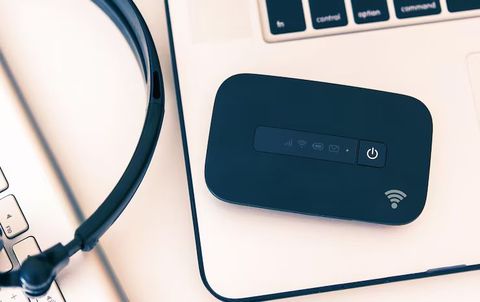
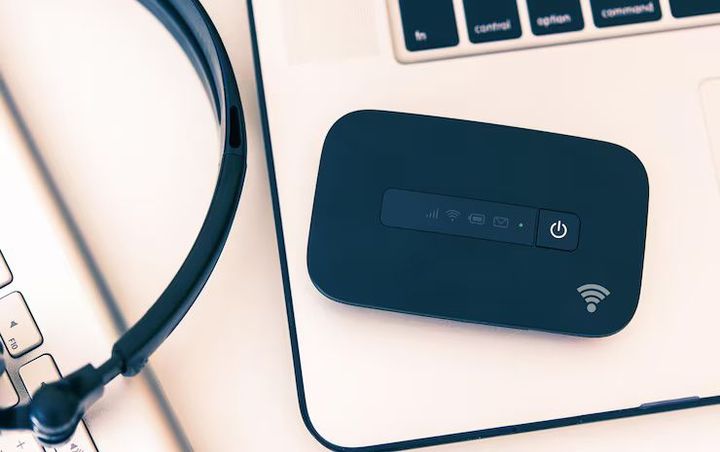
A portable WiFi device is a compact networking tool that connects to a mobile data network and creates a local wireless internet signal. Nearby smartphones, tablets, laptops, and smart gadgets can then connect to that signal.
These devices are often called:
- Mobile hotspots
- Pocket WiFi units
- Travel routers
- Wireless hotspot devices
The main purpose of these devices is to create internet access in areas where wired internet connections are unavailable.
For example, imagine a family traveling on a highway trip. Instead of depending on unstable public internet networks at rest stops, they can use a portable WiFi device to keep phones, navigation systems, and entertainment platforms connected throughout the journey.
Most portable WiFi devices work using:
- A SIM card with mobile data
- Cellular network connectivity
- Internal battery power
- Wireless signal broadcasting
Modern devices also support advanced network standards like 4G LTE and 5G connectivity, which improve internet speed and stability.
Key Types or Categories
Portable WiFi devices come in several categories designed for different situations and internet needs.
Pocket WiFi Devices
Pocket WiFi units are small and lightweight. They easily fit into a pocket or backpack and are commonly used during travel.
Key features include:
- Rechargeable battery
- Compact design
- Multiple device connectivity
- Easy portability
These devices are useful for students, travelers, and remote workers who frequently move between locations.
USB WiFi Dongles
USB WiFi dongles connect directly to laptops or desktop systems through a USB port. They provide internet access without broadcasting a wireless signal to many devices.
Common advantages include:
- Simple setup
- Lightweight structure
- Reliable single-device connectivity
These are often used by professionals needing stable internet access while working on laptops during travel.
Travel Routers
Travel routers are slightly larger but provide stronger wireless coverage. They are suitable for hotel rooms, temporary offices, or group usage.
Important capabilities include:
- Enhanced signal strength
- Multiple connection modes
- Improved security settings
- Better network management
Travel routers are commonly used during conferences, business trips, and temporary workspaces.
5G Portable Hotspots
5G portable hotspots represent the latest generation of mobile internet devices. They support high-speed internet with lower latency and stronger network performance.
These devices are beneficial for:
- Video streaming
- Online gaming
- Virtual meetings
- Cloud-based applications
As 5G network infrastructure expands globally, these devices are becoming increasingly popular.
Important Subsections
Battery Performance
Battery life plays a major role in portable WiFi usability. Some devices operate for only a few hours, while advanced models can function throughout an entire day.
Long battery performance is especially valuable during:
- Outdoor travel
- Road trips
- Remote work sessions
- Emergency situations
Device Connectivity Limits
Different portable WiFi devices support different numbers of connected users. Some handle five devices comfortably, while others support more than twenty simultaneous connections.
This factor matters for:
- Families
- Small teams
- Group travelers
- Shared workspace environments
Network Compatibility
Not all devices support every network type. Some work only with 4G LTE, while others support both 4G and 5G networks.
Checking compatibility with local mobile networks helps ensure smooth internet connectivity during travel or daily use.
How It Works
Portable WiFi devices operate through a relatively simple process.
Step 1: Mobile Network Connection
The device connects to a cellular data network using a SIM card. This works similarly to how smartphones access mobile internet.
Step 2: Signal Conversion
The device converts the mobile data connection into a wireless internet signal.
Step 3: Wireless Broadcasting
A WiFi signal is created around the device, allowing nearby gadgets to connect.
Step 4: Internet Access
Connected devices can then browse websites, stream videos, attend meetings, and use online applications.
For example, a business traveler waiting at an airport can place the portable WiFi device on a table and instantly connect a laptop, smartphone, and tablet to the internet.
Benefits and Advantages
Portable WiFi devices provide several practical advantages for everyday internet usage.
Improved Mobility
Users can stay connected while traveling between locations without depending on fixed broadband infrastructure.
Better Privacy
Public WiFi networks sometimes create security concerns. Portable WiFi devices provide a more private internet environment.
Multiple Device Access
One portable hotspot can support several connected gadgets simultaneously.
Examples include:
- Smartphones
- Tablets
- Laptops
- Smartwatches
- Gaming devices
Reliable Connectivity
In areas with unstable public internet networks, portable WiFi devices often provide more dependable performance.
Useful During Emergencies
During internet outages or temporary disruptions, portable WiFi devices help maintain communication and online access.
Flexible Usage
These devices work well in many environments:
- Hotels
- Cars
- Parks
- Trains
- Remote work locations
- Outdoor events
Real-World Examples or Applications
Portable WiFi devices are used in many real-life situations across different industries and lifestyles.
Remote Work Environments
Many professionals now work from flexible locations instead of traditional offices. Portable internet devices help maintain video calls, document sharing, and cloud access while traveling.
Education and Online Learning
Students attending online classes from different locations often use portable hotspots for stable internet access.
Tourism and Travel
Travelers frequently rely on portable WiFi devices while exploring unfamiliar cities or rural areas.
For instance, international tourists can connect navigation apps, translation tools, and communication platforms without depending entirely on hotel internet networks.
Transportation and Logistics
Drivers and logistics teams often use portable internet tools for route tracking, communication, and real-time updates.
Outdoor Activities
Campers, photographers, and adventure travelers use portable WiFi devices to remain connected in remote areas.
Temporary Worksites
Construction teams and event organizers sometimes establish temporary internet connectivity using travel routers and mobile hotspots.
Important Factors to Understand
Several important factors should be considered before choosing a portable WiFi device.
Internet Speed Support
Devices supporting advanced network technologies generally provide smoother browsing and streaming performance.
Battery Capacity
Longer battery duration improves convenience during travel and outdoor activities.
Portability
Smaller devices are easier to carry, while larger units may provide stronger signal coverage.
Security Features
Strong password protection and encrypted wireless connections improve internet safety.
Signal Coverage
Network quality depends heavily on local cellular coverage. Urban areas usually provide stronger performance compared to remote locations.
Heat Management
Continuous internet usage can generate heat. Efficient cooling design helps maintain stable performance.
Data Usage Monitoring
Some portable WiFi devices include built-in monitoring tools that help users track internet consumption.
Future Trends and Industry Insights
Portable WiFi technology continues evolving rapidly as internet connectivity becomes increasingly important worldwide.
Expansion of 5G Connectivity
The growth of 5G networks is improving internet speed, reducing delays, and increasing connection stability.
This development supports:
- High-quality video communication
- Faster downloads
- Advanced cloud applications
- Real-time collaboration
Smarter Network Management
Modern portable WiFi devices are becoming more intelligent through automated network optimization and improved signal management.
Better Battery Technology
Battery efficiency improvements are extending operating time while reducing charging frequency.
Enhanced Security Systems
Future devices are expected to include stronger encryption and advanced protection against network threats.
Integration With Smart Devices
Portable internet connectivity may become more closely connected with smart homes, wearable devices, and connected vehicles.
Increased Global Connectivity
As internet infrastructure expands, portable WiFi devices may provide smoother international connectivity across more regions.
Conclusion
Portable WiFi devices have become an important part of modern digital life. They provide flexible internet access for travelers, students, professionals, families, and outdoor users who need reliable connectivity away from traditional broadband networks.
From compact pocket WiFi units to advanced 5G hotspots, these devices help people stay connected in a wide range of environments. Their portability, convenience, and ability to support multiple devices make them useful for both personal and professional activities.
As mobile network technology continues improving, portable WiFi devices are expected to become faster, smarter, and more energy efficient. Their role in supporting remote communication, travel connectivity, and flexible internet access will likely continue growing in the years ahead.