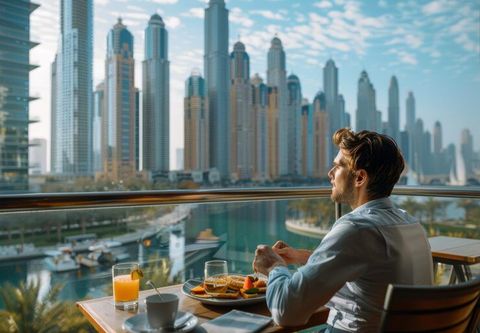
Discover Dubai Hotel Features for Relaxing Stays
Modern hospitality experiences are no longer defined only by a comfortable room or attractive architecture. Travelers today often look for wellness facilities, smart technology, flexible dining choices, privacy, sustainability practices, and personalized services when selecting accommodation. Discovering Dubai hotel features for elegant and relaxing stays means understanding how different hospitality styles combine comfort, design, and convenience to meet the expectations of global travelers. Whether someone travels for business, leisure, family vacations, or wellness retreats, hotel features can strongly influence the overall experience.
This comparison matters globally because travel expectations have changed significantly in recent years. According to global hospitality research, travelers increasingly prioritize comfort, wellness, flexible spaces, and digital convenience over purely decorative luxury. Many guests now compare hotels based on practical benefits such as room layouts, noise reduction, air quality, relaxation amenities, and customer support responsiveness. International tourism trends also show growing interest in experiences that balance productivity and relaxation within the same stay.
The real-world impact of hotel selection reaches beyond comfort alone. A well-designed stay can improve sleep quality, reduce travel stress, support work efficiency, and create a more enjoyable environment for families and solo travelers alike. On the other hand, choosing accommodation without understanding its features may lead to disappointment, unnecessary expenses, or limited convenience. These considerations affect a wide range of people, making it important to explore who benefits most from understanding hotel comparisons and hospitality features.
Who It Affects & Problems It Solves
Hotel feature comparisons affect many different types of travelers worldwide. Business professionals often need quiet rooms, fast connectivity, meeting spaces, and flexible check-in systems. Families may focus more on room size, child-friendly facilities, dining flexibility, and entertainment options. Solo travelers frequently prioritize safety, wellness facilities, and easy transportation access, while couples may value privacy, spa services, and scenic environments. Long-stay guests usually pay closer attention to laundry services, workspace comfort, and wellness support.
Without clarity on hotel features, many travelers end up selecting accommodations that do not match their actual needs. Some properties may emphasize luxury aesthetics while offering limited functionality for work or relaxation. Others may advertise wellness experiences but provide overcrowded facilities or restricted service availability. Travelers can also struggle with hidden costs connected to dining, parking, or recreational amenities. Comparing hotel features helps reduce uncertainty and encourages more informed decisions based on lifestyle preferences rather than marketing language alone.
A common global mistake involves selecting accommodation solely based on room appearance or price. A traveler might reserve an elegant-looking hotel only to discover limited sound insulation, uncomfortable bedding, insufficient workspace design, or restricted dining availability. Another traveler may prioritize low pricing but later spend significantly more on transportation or additional services. Understanding hotel features in advance creates a more balanced approach to comfort, convenience, and value. These changing expectations have also influenced recent hospitality trends and updates across the industry.
Recent Updates
Over the past year, hospitality providers have increasingly focused on wellness-centered environments. Many hotels now emphasize sleep-friendly room designs, advanced climate control systems, aromatherapy options, and quieter interior layouts. Wellness is no longer viewed as an optional luxury feature but as a central part of the guest experience. Industry data suggests that travelers globally are paying closer attention to stress reduction and personal comfort during stays.
In early 2025, smart room technology continued expanding across upscale and mid-range hospitality spaces. Voice-controlled lighting, mobile-based room access, personalized entertainment systems, and energy-efficient automation have become more common. These updates are designed not only for convenience but also for operational efficiency and sustainability. Guests increasingly expect smooth digital experiences without sacrificing personal service quality.
Another major trend involves flexible hospitality spaces. Hotels are adapting rooms and public areas to support both relaxation and productivity. Quiet lounges, hybrid meeting areas, and adaptable seating arrangements are now frequently included in modern hotel designs. This reflects the growing number of travelers who combine professional responsibilities with leisure experiences during extended stays.
Sustainability has also become more visible within the hospitality industry over the past 12 months. Many properties now promote energy management systems, water conservation practices, reusable materials, and environmentally conscious dining programs. Travelers increasingly evaluate accommodation choices through both comfort and sustainability standards. These evolving priorities make direct comparison especially useful when examining hotel features side by side.
Comparison Table
The following table compares major hotel features commonly considered by travelers seeking elegant and relaxing stays. These factors matter universally because they influence comfort, convenience, privacy, and overall guest satisfaction.
| Feature | Luxury Focus Hotels | Wellness-Oriented Hotels | Business-Friendly Hotels | Family-Oriented Hotels |
|---|---|---|---|---|
| Room Design | Premium interiors and décor | Calm layouts with natural tones | Functional workspace design | Spacious multi-use layouts |
| Sleep Comfort | High-end bedding systems | Sleep-enhancing environments | Quiet productivity spaces | Flexible sleeping arrangements |
| Technology | Advanced smart controls | Relaxation-focused automation | High-speed connectivity | Entertainment-focused systems |
| Dining Options | Fine dining experiences | Health-focused menus | Fast and flexible service | Child-friendly selections |
| Wellness Facilities | Premium spa access | Comprehensive wellness programs | Fitness convenience | Recreational pools and activities |
| Privacy Levels | Exclusive suites and lounges | Quiet wellness areas | Business meeting privacy | Shared social spaces |
| Sustainability | Select eco-features | Strong environmental focus | Efficiency-centered operations | Moderate sustainability measures |
| Workspace Support | Limited in some cases | Relaxed working corners | Dedicated business facilities | Shared family seating areas |
| Entertainment | Premium leisure experiences | Calm recreational activities | Limited entertainment focus | Interactive activities |
| Flexibility | Personalized concierge service | Wellness scheduling options | Fast scheduling efficiency | Adaptable family services |
The table shows that different hotel styles prioritize different guest experiences rather than offering identical benefits. Luxury-focused properties emphasize exclusivity and aesthetics, while wellness-oriented hotels concentrate more on relaxation and environmental balance. Business and family-oriented accommodations often focus on practicality and flexibility. Understanding these patterns helps travelers match hotel features with personal expectations before considering broader hospitality guidance and industry standards.
Regulations & Practical Guidance
In most countries, hospitality providers must follow internationally recognized safety and operational standards related to hygiene, guest privacy, fire safety, accessibility, and consumer transparency. While exact requirements vary depending on local regulations, many hotel groups voluntarily adopt broader international service frameworks to maintain guest trust and consistency across properties. These practices often include clear pricing communication, health standards, data protection measures, and responsible environmental operations.
Hospitality authorities globally also encourage transparency in advertising and guest communication. Hotels are generally expected to describe amenities accurately and avoid misleading claims about room size, facility access, or included services. Wellness facilities, dining experiences, and recreational programs are increasingly evaluated through customer reviews and quality verification systems. Travelers therefore benefit from carefully reviewing feature descriptions instead of relying solely on promotional imagery.
Environmental guidance has become another important area within global hospitality operations. Many jurisdictions now encourage hotels to reduce waste, improve energy efficiency, and adopt sustainable sourcing practices. Travelers increasingly value accommodations that combine comfort with responsible resource management. Understanding these broader standards helps guests evaluate hotels more realistically and choose options aligned with their personal priorities.
Which Option Suits Your Situation?
A traveler with a demanding professional schedule may benefit most from business-friendly hotel environments. Quiet rooms, reliable connectivity, flexible dining access, and efficient service systems can support productivity while reducing travel stress. Elegant design may still matter, but functionality often becomes the main priority during work-focused trips.
Someone seeking relaxation and recovery from daily stress may prefer wellness-oriented accommodations. Features such as spa facilities, calming interiors, sleep-focused room design, and wellness dining programs can create a more restorative experience. This option may also appeal to travelers prioritizing mental balance and personal wellness during vacations.
Families traveling together often require flexibility more than exclusivity. Spacious layouts, child-friendly facilities, entertainment access, and adaptable dining options usually provide better convenience for group travel. In these situations, practical comfort may offer greater value than highly formal luxury environments.
Couples or solo travelers looking for refined experiences may appreciate luxury-focused hotels that emphasize privacy, atmosphere, and personalized service. These properties often prioritize ambiance, elegant design, and curated guest experiences. Matching these preferences carefully with budget expectations and travel goals creates a more balanced hospitality decision. Once travelers understand these practical considerations, useful tools and resources can further simplify the comparison process.
Tools & Resources
Several globally accessible tools and resources can help travelers compare hotel features and make more informed accommodation decisions.
Travel Review Platforms — These platforms collect guest experiences, allowing travelers to compare comfort, cleanliness, service quality, and relaxation features through verified feedback.
Hotel Comparison Apps — These applications help users compare room categories, amenities, wellness facilities, and pricing structures across multiple hospitality providers.
Digital Mapping Services — Mapping tools help travelers evaluate transportation convenience, nearby attractions, and surrounding environments before booking accommodation.
Wellness Travel Guides — These resources focus specifically on spa services, relaxation facilities, sustainability practices, and wellness-centered hospitality experiences.
Room Visualization Tools — Some hotel brands provide virtual room previews or interactive layout tools that help travelers understand space design and functionality.
Travel Budget Calculators — These tools help travelers estimate accommodation-related expenses, including dining, transportation, and additional service charges.
Guest Experience Forums — Community-based travel discussions often provide practical insights into real-world hotel experiences beyond promotional descriptions. These resources naturally lead to common questions travelers ask before selecting accommodation.
Frequently Asked Questions
What are the most important hotel features for a relaxing stay?
The most important features usually include comfortable bedding, quiet room design, effective climate control, wellness facilities, flexible dining options, and responsive customer service. Many travelers also value natural lighting, privacy, and clean interior layouts. The ideal combination depends on personal preferences, travel purpose, and desired balance between relaxation, convenience, and entertainment during the stay.
Which type of hotel suits business travelers best?
Business travelers generally benefit from hotels that prioritize efficiency and functionality. Important features often include reliable internet access, quiet workspaces, meeting facilities, fast check-in systems, and convenient dining availability. Travelers combining work with leisure may also appreciate wellness facilities and relaxation areas that support recovery after long schedules or extended travel periods.
Are hotel sustainability practices regulated internationally?
Sustainability standards vary across jurisdictions, but many hospitality providers follow internationally recognized environmental guidelines voluntarily. Common practices include energy conservation, water management, waste reduction, and responsible sourcing. Travelers should understand that sustainability certifications and operational standards may differ between hotel groups, making direct feature comparisons useful when evaluating environmentally conscious accommodation options.
Is luxury always better than wellness-focused accommodation?
Luxury and wellness-oriented hotels serve different purposes rather than representing better or worse choices. Luxury properties often focus on exclusivity, personalized service, and premium aesthetics, while wellness-focused accommodations prioritize relaxation, health-conscious design, and restorative experiences. The better option depends on whether a traveler values atmosphere, functionality, recovery, entertainment, or productivity most during the stay.
How can travelers avoid choosing the wrong hotel?
Travelers can reduce disappointment by comparing practical features instead of relying only on promotional photos or pricing. Reviewing room layouts, dining flexibility, wellness access, workspace quality, and verified guest experiences provides a clearer understanding of overall value. Matching hotel features with personal travel priorities often creates more realistic expectations and improves overall satisfaction during the stay.
Conclusion
Discovering Dubai hotel features for elegant and relaxing stays involves much more than comparing luxury appearances alone. Travelers today increasingly prioritize comfort, wellness, flexibility, sustainability, and practical convenience when selecting accommodation. The comparison table highlighted how different hotel categories serve different traveler needs, while recent hospitality updates showed the growing importance of wellness design, digital convenience, and environmentally conscious operations.
The best hotel choice depends on aligning accommodation features with personal travel goals. Business travelers may prioritize efficiency and workspace support, while families often focus on flexibility and convenience. Wellness-focused travelers may value restorative environments more than formal luxury aesthetics. Careful comparison helps travelers avoid mismatched expectations and make more balanced decisions based on comfort, practicality, and overall experience quality.