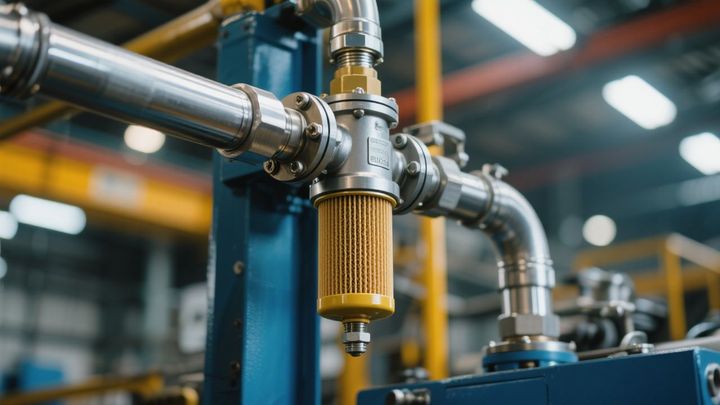
Oil Filtering Machines Explained: Explore Guide, Tips, Insights, Facts, Knowledge, Details, and Helpful Resources
Oil filtering machines are specialized systems designed to remove contaminants from oils used in industrial, mechanical, hydraulic, electrical, and manufacturing applications. These contaminants may include dirt, dust, water, sludge, metal particles, oxidation products, and other unwanted substances that can affect equipment performance.
Oil plays an important role in lubrication, cooling, insulation, and power transmission across many industries. Over time, however, oil naturally becomes contaminated through regular operation and environmental exposure. Oil filtering machines exist to help maintain oil quality and extend the usefulness of lubricants and industrial fluids.
Different industries use different filtration methods depending on the type of oil and equipment involved. Common applications include hydraulic systems, transformer maintenance, turbine operations, manufacturing machinery, construction equipment, marine systems, and power generation facilities.
The primary goal of oil filtration is to keep oil clean enough to perform its intended function while reducing risks associated with contamination and degradation.
Common Types of Oil Filtering Machines
| Type | Primary Purpose |
|---|---|
| Mechanical Filters | Remove solid particles and debris |
| Vacuum Oil Purifiers | Remove moisture and dissolved gases |
| Centrifugal Filters | Separate contaminants using rotational force |
| Electrostatic Filters | Capture fine particles through electrical attraction |
| Portable Filtration Units | Support maintenance across multiple systems |
| Transformer Oil Filtration Systems | Improve insulation oil quality |
Why Oil Filtering Machines Matter
Modern industries rely heavily on machinery that operates continuously under demanding conditions. Contaminated oil can increase wear, reduce efficiency, and contribute to equipment failures.
Oil filtration helps organizations maintain cleaner operating environments within machines and systems. Clean oil supports smoother operations and may contribute to improved equipment reliability.
Several groups are affected by oil filtration technologies:
- Manufacturing facilities
- Energy and power companies
- Transportation operators
- Construction organizations
- Industrial maintenance teams
- Utility infrastructure managers
Common challenges addressed by oil filtering machines include:
- Particle contamination
- Moisture intrusion
- Oxidation buildup
- Sludge formation
- Reduced lubrication performance
- Increased equipment wear
The growing emphasis on predictive maintenance has also increased attention toward oil condition monitoring and filtration practices.
Benefits of Effective Oil Filtration
| Area | Potential Impact |
| Equipment Reliability | Supports stable operation |
| Maintenance Planning | Improves monitoring efforts |
| Fluid Quality | Helps maintain cleaner oil |
| Operational Efficiency | Reduces contamination-related issues |
| Environmental Management | Encourages responsible fluid handling |
| Asset Protection | Supports long-term equipment care |
Recent Updates and Industry Trends
The oil filtration industry has experienced several notable developments during 2025 and 2026.
One significant trend is the integration of digital monitoring technologies into filtration systems. Many modern industrial filtration units now incorporate sensors that monitor oil cleanliness, moisture content, temperature, and particle levels in real time.
During 2025, several industrial automation providers expanded predictive maintenance capabilities by combining filtration equipment with Industrial Internet of Things (IIoT) platforms. These systems allow maintenance teams to analyze oil quality data remotely and identify potential issues before they become serious.
Another trend involves sustainability initiatives. Many organizations have increased focus on extending lubricant life through advanced filtration techniques rather than replacing fluids prematurely. This approach supports resource conservation and waste reduction goals.
Artificial intelligence-assisted diagnostics also gained attention throughout 2025. Some monitoring platforms now use machine learning models to identify contamination patterns and recommend maintenance actions based on historical operating data.
Growing investment in renewable energy infrastructure has also increased demand for transformer oil filtration systems. Wind farms, solar installations, and power distribution networks continue to rely on clean insulating oils for reliable electrical performance.
Technology Trends in Oil Filtration
Traditional Filtration
        │
        ▼
Sensor-Based Monitoring
        │
        ▼
Remote Data Collection
        │
        ▼
Predictive Analytics
        │
        ▼
AI-Assisted Maintenance Insights
Regulations, Standards, and Policy Considerations
Oil filtering machines are often influenced by regulations related to environmental protection, workplace safety, equipment maintenance, and industrial operations.
While regulations vary between jurisdictions, several international standards are frequently referenced by organizations involved in oil management.
Important areas include:
- Environmental waste management requirements
- Industrial fluid handling regulations
- Equipment maintenance standards
- Workplace health and safety guidelines
- Energy sector operational requirements
Many facilities follow standards developed by recognized organizations such as:
- International Organization for Standardization (ISO)
- International Electrotechnical Commission (IEC)
- American Society for Testing and Materials (ASTM)
- Occupational safety authorities in their respective regions
For transformer oils, utilities often follow testing and filtration procedures that help maintain dielectric strength and moisture control. Hydraulic systems may use cleanliness standards such as ISO cleanliness codes to monitor contamination levels.
Organizations are increasingly expected to document maintenance activities, monitor fluid conditions, and manage waste oils responsibly in accordance with local environmental regulations.
Compliance Considerations
| Focus Area | Typical Objective |
| Environmental Protection | Reduce improper disposal risks |
| Workplace Safety | Promote safe handling practices |
| Equipment Standards | Maintain operational reliability |
| Documentation | Track maintenance activities |
| Fluid Testing | Monitor oil condition |
Helpful Tools and Resources
A variety of digital tools and resources can assist professionals working with oil filtration systems.
Oil Analysis Software
Oil analysis platforms help track contamination levels, viscosity changes, moisture content, and wear particles. These systems support data-driven maintenance planning.
Predictive Maintenance Platforms
Predictive maintenance solutions combine equipment monitoring, sensor data, and analytics to identify developing issues.
Industrial Asset Management Systems
Enterprise asset management software helps organizations schedule inspections, maintenance activities, and filtration procedures.
Oil Cleanliness Calculators
Cleanliness calculators assist technicians in evaluating particle contamination levels and comparing measurements against industry standards.
Maintenance Documentation Templates
Digital maintenance logs and inspection templates help track filtration history and fluid quality trends.
Technical Knowledge Resources
Useful educational resources often include:
- Industry standards documentation
- Equipment manufacturer manuals
- Maintenance engineering publications
- Industrial reliability associations
- Fluid analysis laboratories
Practical Tips for Understanding Oil Filtration
When learning about oil filtering machines, several principles are useful to understand.
- Different oils require different filtration methods.
- Water contamination can be as harmful as solid particles.
- Filtration efficiency depends on filter media and operating conditions.
- Monitoring oil condition is often as important as filtration itself.
- Preventive maintenance can help identify contamination sources early.
- Clean oil contributes to healthier mechanical systems.
Understanding contamination sources can often provide more value than simply replacing filters repeatedly. Effective contamination control typically combines monitoring, filtration, inspection, and maintenance practices.
Frequently Asked Questions
What does an oil filtering machine do?
An oil filtering machine removes contaminants such as dirt, metal particles, moisture, sludge, and other impurities from industrial oils. The goal is to improve oil cleanliness and support proper equipment operation.
Where are oil filtering machines commonly used?
They are commonly used in manufacturing facilities, hydraulic systems, power generation plants, transformer maintenance operations, marine equipment, construction machinery, and industrial processing facilities.
Can oil filtration remove water from oil?
Certain filtration technologies, especially vacuum oil purifiers and dehydration systems, are specifically designed to remove moisture and dissolved water from oil.
What contaminants are typically found in industrial oil?
Common contaminants include dust, dirt, metal particles, oxidation byproducts, moisture, sludge, varnish deposits, and airborne particles introduced during operation.
Why is oil condition monitoring important?
Monitoring helps identify contamination issues, equipment wear, moisture problems, and degradation trends. Early detection can support maintenance planning and reduce unexpected operational disruptions.
Are all oil filtering machines the same?
No. Different systems are designed for different applications. Hydraulic oil filtration, transformer oil purification, lubrication management, and turbine oil treatment may require different technologies and filtration methods.
Conclusion
Oil filtering machines play an important role in maintaining the quality and performance of industrial oils used across a wide range of applications. By removing contaminants and supporting cleaner operating conditions, these systems help industries manage lubrication, hydraulic performance, insulation reliability, and overall equipment health.
Recent advances in digital monitoring, predictive maintenance, sensor integration, and data analytics continue to shape the future of oil filtration technology. At the same time, environmental regulations and industry standards encourage organizations to adopt more effective fluid management practices.
Understanding how oil filtering machines work, the challenges they address, applicable regulations, and available tools can help individuals and organizations make informed decisions regarding oil quality management and equipment maintenance. As industrial systems become increasingly connected and data-driven, oil filtration remains a foundational component of modern reliability and maintenance strategies.