O-Rings in Mechanical Systems: Functions and Applications
O-rings are simple circular sealing components used in a wide variety of mechanical systems. They are designed to fit into grooves and create a seal between two surfaces. Their primary purpose is to prevent the leakage of liquids or gases while maintaining pressure within a system.
The concept behind O-rings is straightforward. When compressed between two mating surfaces, the ring deforms slightly and fills any small gaps. This creates a reliable barrier that prevents fluids and air from escaping.
O-rings have been used for decades in industrial equipment, hydraulic systems, automotive components, aerospace assemblies, medical devices, and household machinery. Their popularity comes from their simple design, effectiveness, and ability to function under different operating conditions.
Manufacturers produce O-rings from various materials depending on the application. Common materials include nitrile rubber, silicone, fluorocarbon elastomers, and polyurethane. Each material offers different levels of resistance to temperature, chemicals, pressure, and wear.
The widespread use of O-rings exists because nearly every mechanical system requires a dependable sealing solution. Without effective seals, equipment performance, efficiency, and safety can be compromised.
Why O-Rings Matter in Modern Mechanical Systems
O-rings play an essential role in maintaining the reliability and performance of machinery across numerous industries. Although small in size, they contribute significantly to system efficiency and operational safety.
Key Benefits of O-Rings
- Prevent fluid and gas leakage
- Maintain pressure within systems
- Reduce contamination risks
- Improve equipment reliability
- Support energy efficiency
- Extend machinery lifespan
Modern industries increasingly depend on high-performance equipment operating under demanding conditions. Hydraulic systems, pneumatic systems, industrial pumps, compressors, and processing equipment all require dependable sealing solutions.
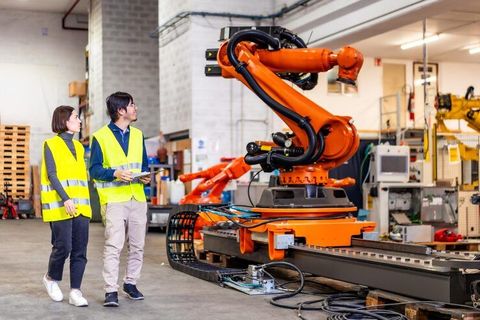
In transportation systems, O-rings help maintain engine performance and fluid containment. In manufacturing environments, they support the operation of automation equipment and industrial machinery. In healthcare applications, specialized O-rings assist in maintaining sterile environments and accurate device performance.
Common Industries Using O-Rings
| Industry | Typical Applications |
|---|---|
| Automotive | Engines, fuel systems, braking systems |
| Aerospace | Hydraulic controls, fuel lines |
| Manufacturing | Pumps, valves, compressors |
| Medical | Diagnostic equipment, fluid systems |
| Energy | Pipelines, turbines, processing equipment |
| Food Processing | Fluid handling systems |
As industries pursue higher efficiency and reduced downtime, the importance of reliable sealing technology continues to grow.
Recent Updates and Industry Trends
The O-ring industry has experienced several developments throughout 2025 and early 2026 as manufacturers respond to changing technological and environmental requirements.
Increased Focus on Advanced Materials
During 2025, many engineering sectors increased the use of advanced elastomer compounds designed for higher temperature resistance and improved chemical compatibility. These materials support applications in electric vehicles, renewable energy systems, and automated manufacturing environments.
Growth in Electric Vehicle Applications
The expansion of electric vehicle production throughout 2025 created additional demand for specialized sealing components. O-rings are increasingly used in battery cooling systems, thermal management assemblies, and electronic control units.
Digital Manufacturing Improvements
Manufacturing facilities have adopted more automated quality-control systems. Advanced inspection technologies introduced during 2025 improved dimensional accuracy and consistency in O-ring production.
Sustainability Considerations
Environmental awareness has encouraged research into recyclable materials and improved manufacturing efficiency. Throughout 2025 and early 2026, several industrial sectors explored methods to reduce material waste while maintaining sealing performance.
Predictive Maintenance Integration
Another notable trend is the integration of predictive maintenance practices. Organizations increasingly use sensors and monitoring systems to identify seal wear before failures occur, helping reduce unplanned equipment downtime.
Industry Trend Overview
| Trend | Impact on O-Rings |
| Electric Vehicle Expansion | Increased demand for specialized seals |
| Automation Growth | Higher quality requirements |
| Sustainability Initiatives | Focus on efficient materials |
| Predictive Maintenance | Better seal monitoring |
| Advanced Materials | Improved performance capabilities |
The overall direction of the industry points toward higher durability, greater reliability, and improved compatibility with emerging technologies.
Laws, Standards, and Regulatory Considerations
O-rings themselves are not usually regulated as standalone products in many countries. However, they must often comply with broader industry standards and equipment regulations.
Industrial Standards
Mechanical systems frequently follow internationally recognized engineering standards that define dimensions, testing methods, and performance requirements for sealing components.
These standards help ensure compatibility between components manufactured by different organizations and improve overall equipment reliability.
Environmental Regulations
Many countries have introduced environmental regulations affecting the materials used in industrial products. Manufacturers may need to comply with requirements related to chemical substances, waste management, and environmental impact.
Safety Requirements
Industries such as aerospace, healthcare, energy, and transportation often require sealing components to meet strict safety and performance standards. O-rings used in these sectors may undergo extensive testing and certification procedures.
Quality Management Frameworks
Organizations producing sealing components commonly operate under quality management systems that promote consistency, traceability, and continuous improvement.
Government Infrastructure Programs
In several countries, infrastructure modernization and industrial development programs have indirectly increased demand for reliable sealing technologies. Projects involving energy systems, transportation networks, and manufacturing facilities often require durable mechanical components, including O-rings.
Understanding applicable regulations and standards helps engineers select appropriate sealing solutions while maintaining compliance with operational requirements.
Helpful Tools and Resources for Learning About O-Rings
Many educational and engineering resources are available for individuals seeking a better understanding of O-ring applications and performance.
Engineering Calculators
Common calculator tools include:
- Compression ratio calculators
- Groove dimension calculators
- Pressure analysis calculators
- Material compatibility calculators
- Temperature resistance assessment tools
Technical Reference Guides
Useful resources often provide:
- Material comparison charts
- Installation guidelines
- Design recommendations
- Failure analysis references
- Maintenance best practices
Digital Design Software
Engineering software can assist with:
- Seal design modeling
- Mechanical assembly visualization
- Stress analysis
- Fluid dynamics simulation
- Performance evaluation
Training Resources
Educational materials frequently cover:
- Sealing fundamentals
- Material selection methods
- Installation techniques
- Maintenance procedures
- Troubleshooting approaches
Inspection and Measurement Tools
Professionals commonly use:
- Digital calipers
- Precision measuring equipment
- Surface inspection devices
- Pressure testing instruments
- Leak detection systems
These resources help engineers, technicians, students, and maintenance professionals improve their understanding of sealing technologies and mechanical system performance.
Frequently Asked Questions
What is the primary function of an O-ring?
An O-ring creates a seal between two surfaces to prevent the leakage of liquids or gases. It helps maintain pressure and supports efficient system operation.
What materials are commonly used for O-rings?
Common materials include nitrile rubber, silicone, fluorocarbon elastomers, and polyurethane. The choice depends on temperature, pressure, and chemical exposure requirements.
Where are O-rings typically used?
O-rings are used in automotive systems, industrial machinery, aerospace equipment, medical devices, hydraulic systems, pneumatic equipment, and many other mechanical applications.
Why do O-rings fail?
O-rings can fail due to excessive pressure, improper installation, material incompatibility, extreme temperatures, aging, or physical wear over time.
How can O-ring lifespan be improved?
Proper material selection, correct installation procedures, regular inspection, and operation within recommended limits can significantly improve O-ring performance and longevity.
Conclusion
O-rings are among the most widely used sealing components in modern mechanical systems. Despite their simple appearance, they perform a critical role in preventing leaks, maintaining pressure, and supporting equipment reliability across numerous industries.