MG Hector Tomahawk PHEV Guide: Understanding Plug-In Hybrid Technology
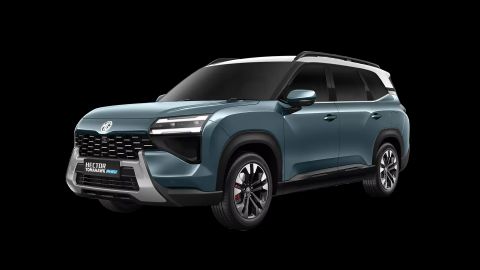
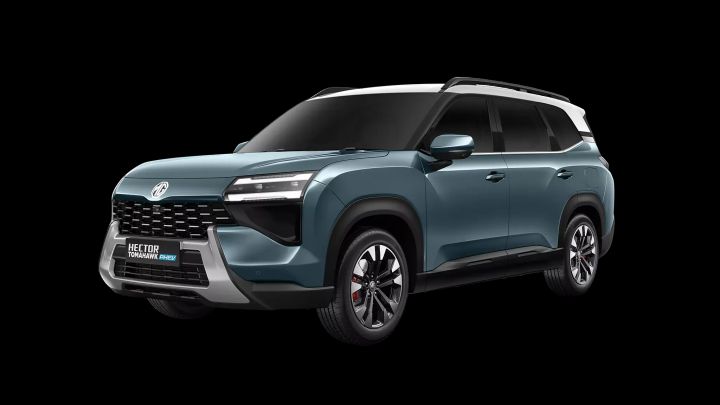
The MG Hector Tomahawk PHEV is a plug-in hybrid SUV that combines a petrol engine, an electric motor, and a rechargeable traction battery. Unlike a conventional petrol vehicle, it can use electricity stored from an external charging connection to support driving.
PHEV stands for Plug-in Hybrid Electric Vehicle. This technology exists to combine electric driving with the flexibility of liquid fuel. It allows drivers to use battery energy for suitable journeys while retaining an engine for situations where additional energy is needed.
MG lists a 1.5-litre petrol engine, a 20.5 kWh battery, and a dedicated hybrid transmission for the Hector Tomahawk PHEV. These components work together through electronic controls that manage propulsion and energy use.
Understanding this arrangement helps readers distinguish a plug-in hybrid from a regular hybrid or a fully electric vehicle. Although these categories share some components, their charging requirements and everyday operation differ.
How the hybrid system works
In a PHEV, stored electricity powers an electric motor. Depending on the vehicle’s design and operating conditions, the petrol engine can contribute to propulsion or generate electricity.
Regenerative braking captures some energy during deceleration and returns it to the battery. External charging replenishes the battery using electricity from a suitable connection. Neither regeneration nor engine-driven charging creates energy without an input.
The driver generally manages familiar controls, while the vehicle coordinates these energy sources. However, electric operation depends on factors such as battery charge, power demand, and system settings.
Why Plug-In Hybrid Technology Matters
Plug-in hybrids are relevant to households whose driving combines predictable local journeys with occasional longer trips. Their usefulness depends strongly on whether charging fits naturally into the daily routine.
For example, someone with an assigned parking space and an appropriate electrical connection may find regular charging straightforward. A person relying entirely on shared parking may face a different experience, even with an identical vehicle.
This makes charging access an ownership consideration alongside seating, luggage space, driving comfort, and vehicle maintenance.
Different powertrains require different routines
| Vehicle category | Main energy sources | External charging | Everyday consideration |
|---|---|---|---|
| Conventional petrol vehicle | Petrol | No | Fuel consumption and refuelling |
| Regular hybrid | Petrol and recovered energy | No | Hybrid operation without plugging in |
| Plug-in hybrid | Petrol and externally charged electricity | Yes | Charging frequency and journey pattern |
| Battery electric vehicle | Stored electricity | Yes | Charging access and route planning |
Regular hybrids recharge their traction batteries through the engine and regenerative braking. Plug-in hybrids add an external charging connection, while battery electric vehicles operate without a petrol propulsion engine.
Charging habits shape the outcome
A PHEV’s electric capability is most relevant when the battery is replenished regularly. Without external charging, the vehicle relies more heavily on petrol and its hybrid energy-management system.
This means two households can record different fuel consumption figures in the same model. Daily distance, charging frequency, traffic, and driving style all influence the result.
Environmental comparisons also require context. Electric operation avoids exhaust emissions while the engine remains off, but electricity generation, fuel production, and vehicle manufacturing still matter when considering the wider environmental picture.
Understanding range figures
Electric range describes travel using stored battery energy under stated conditions. Combined range includes the contribution of both electricity and petrol.
These figures should be read separately. A combined range claim does not describe the distance available from one battery charge.
Weather, speed, gradients, passenger load, and cabin temperature settings can change energy demand. Published figures therefore provide a reference rather than a guaranteed distance for every journey.
Recent Updates and Developments
MG announced the Hector Tomahawk EV and PHEV on August 26, 2026. Its announcement identified them as separate powertrain versions built around the company’s ADAPT platform.
For the PHEV, MG published an electric driving range exceeding 115 kilometres and a combined range exceeding 1,100 kilometres. These are manufacturer-published figures, subject to stated testing conditions and differences in actual use.
MG’s published schedule placed PHEV test drives, display vehicles, and deliveries in November 2026. A planned schedule should not be interpreted as confirmation that every location has vehicles available.
Another distinction concerns crash testing. MG’s model information states that an official NCAP rating will be shared following certification. Readers should avoid treating platform descriptions or equipment lists as an independently awarded crash-test result.
At the policy level, India’s PM E-DRIVE portal reports a scheme extension through March 31, 2028, with category-specific conditions. This development concerns the broader electric mobility ecosystem; it does not establish passenger PHEV incentive eligibility.
These updates make publication dates important. Older articles may describe an earlier schedule, a different powertrain, or a policy position that has since changed.
Indian Rules and Policies to Understand
Vehicle classification matters because a plug-in hybrid includes both an internal combustion engine and an electric propulsion system. Readers should not assume that every rule applying to a battery electric vehicle also applies to a PHEV.
Government program eligibility
PM E-DRIVE lists categories including electric two-wheelers, three-wheelers, buses, ambulances, trucks, charging infrastructure, and testing facilities. Private passenger plug-in hybrid cars are not listed among its demand-incentive categories.
Accordingly, an article about this SUV should not imply an automatic central incentive merely because the vehicle has a charging port.
Tax and registration information
India’s published GST classification distinguishes certain hybrid vehicle categories by engine capacity and vehicle length. Tax treatment therefore requires the correct classification rather than a broad assumption about electrified vehicles.
For an individual vehicle, consult the applicable notification and registration authority. State-specific concessions should also be checked against current eligibility wording and effective dates.
Residential charging requirements
The Ministry of Power’s charging framework addresses private and public charging infrastructure. Government guidance indicates that residential owners may use an existing electricity connection or seek a separate metered connection, subject to applicable arrangements.
Before installation, clarify parking permission, sanctioned electrical load, earthing, protective equipment, and cable routing with the relevant building management and electricity distributor.
Motor insurance and battery documentation
When reviewing motor insurance, check how the policy describes the traction battery, charging equipment, accidental damage, exclusions, and claim conditions.
Keep insurance wording separate from battery warranty documentation. They are different documents, and neither should be assumed to cover every battery-related event.
Tools and Resources for Practical Understanding
Several resources can help readers evaluate the technology using their own driving patterns.
- MG’s official model pages: Check model-specific specifications, charging information, and dated announcements.
- The vehicle handbook: Review operating instructions, warning messages, charging procedures, and maintenance schedules.
- BEE’s EV Yatra app: Locate listed public charging stations and review available charger information. The app description includes station coordinates, connector information, and availability details. Confirm current conditions before travelling.
- The electricity distributor’s website: Review residential tariffs, connection requirements, and sanctioned-load procedures.
- The PM E-DRIVE portal: Check program categories and official amendments.
- A journey spreadsheet: Record daily distance, charging sessions, electricity drawn, and petrol added.
A simple driving and charging record
| Information to record | What it helps explain |
|---|---|
| Distance travelled each day | Whether charging aligns with routine journeys |
| Electricity measured at the connection | Energy drawn during charging |
| Petrol added over several weeks | Fuel use across mixed driving |
| Starting and ending battery level | Whether comparison periods are similar |
| Traffic and weather notes | Reasons consumption may vary |
| Home and public charging sessions | Dependence on different charging locations |
For a useful comparison, record several weeks rather than one unusually favourable journey. Include ordinary commuting, longer trips, and days when charging is unavailable.
Using an electricity calculator
A basic charging calculation is:
Electricity amount = energy drawn in kWh × applicable tariff per kWh
For illustration, 10 kWh measured at a charging connection at ₹8 per kWh equals ₹80 in electricity charges. These are hypothetical inputs, not a vehicle-specific prediction.
Energy measured at the connection can exceed energy added to the battery because charging involves losses. Public charging calculations may also include additional billing components.
Reading technical documents carefully
Check whether figures apply to the PHEV or the separate EV version. Battery capacity, charging capability, and range information should remain matched to the correct powertrain.
Also distinguish kilowatts from kilowatt-hours. Kilowatts describe power, while kilowatt-hours describe an amount of energy. A charger’s power rating alone does not establish the exact duration of every charging session.
Frequently Asked Questions
Is the MG Hector Tomahawk PHEV a fully electric vehicle?
No. It combines a petrol engine with electric propulsion and an externally rechargeable battery. The Hector Tomahawk EV is a separate version. This distinction matters when reading charging specifications, range figures, and operating instructions.
Can the vehicle operate when external charging is unavailable?
MG states that the PHEV can continue operating as a hybrid when battery charge is low, provided petrol is available and the vehicle is functioning normally. Regular external charging increases opportunities to use stored grid electricity. Drivers should still follow dashboard warnings and handbook instructions.
Does regenerative braking replace plugging in?
No. Regenerative braking recovers a portion of energy during deceleration. It cannot recover every energy loss or repeatedly restore a depleted battery without another energy input. External charging remains the direct way to replenish the battery from the electricity network.
How should charging-time claims be interpreted?
Read the stated starting and ending battery percentages alongside charger power and charging conditions. MG lists approximately 7.5 hours for 10–100% charging with its stated 3.3 kW AC arrangement. This is a published estimate rather than a fixed duration under every condition.
What should someone without home charging consider?
Review workplace charging permission, nearby connector compatibility, parking access, and the practicality of repeated visits. Calculate how often charging would realistically happen. A PHEV can use petrol, but limited charging changes the balance between electric driving and engine operation.
Conclusion
The MG Hector Tomahawk PHEV illustrates how a rechargeable battery and petrol engine can work within one vehicle. Understanding that relationship is more useful than focusing on a single range figure.
A practical assessment starts with daily distance, reliable charging access, and a clear distinction between electric and combined range. Official specifications, current policy documents, insurance wording, and a simple driving record help turn technical information into an informed understanding of everyday operation.