Metal Roofing Guide: Complete Overview, Types, and Installation Basics
Metal roofing refers to roofing systems made from metal materials such as steel, aluminum, zinc, or copper. It exists as a durable and weather-resistant alternative to traditional roofing materials like asphalt or clay tiles.
These roofing systems are designed to provide long-term structural protection, energy efficiency, and resistance to environmental factors such as rain, heat, and wind. Metal roofing is used in residential, commercial, and industrial buildings.
High CPC keywords in this field include metal roofing systems, roofing installation techniques, steel roofing panels, energy-efficient roofing solutions, standing seam metal roof, and roofing durability optimization. These keywords highlight the technical and performance-focused nature of the topic.
Metal roofing systems are available in different styles and finishes, allowing them to suit both modern and traditional architectural designs.
Why Metal Roofing Matters Today
Metal roofing has become increasingly relevant due to changing environmental conditions and construction practices. It offers advantages in durability, efficiency, and sustainability.
Key reasons for its importance include:
- Durability: Resistant to corrosion, cracking, and extreme weather conditions
- Energy efficiency: Reflects sunlight, helping regulate indoor temperatures
- Low maintenance: Requires less frequent repairs compared to some traditional materials
- Environmental sustainability: Often made from recyclable materials
Problems that metal roofing helps address:
- Frequent roof damage due to harsh weather
- High energy consumption from poor insulation
- Short lifespan of conventional roofing materials
- Structural issues caused by moisture and leakage
Metal roofing is relevant for homeowners, builders, architects, and infrastructure planners seeking reliable and long-lasting roofing solutions.
Common Types of Metal Roofing
| Type | Description | Common Applications |
|---|---|---|
| Standing Seam Roofing | Raised seams with concealed fasteners | Residential, commercial |
| Corrugated Metal Panels | Wavy pattern panels | Industrial, agricultural |
| Metal Shingles | Designed to resemble traditional shingles | Residential homes |
| Stone-Coated Steel | Steel panels coated with stone granules | Decorative roofing |
| Aluminum Roofing | Lightweight and corrosion-resistant | Coastal areas |
This table shows how different types of metal roofing vary in design and usage.
Recent Trends and Updates in Metal Roofing (2025–2026)
The metal roofing industry has seen several developments in the past year, influenced by sustainability goals and technological advancements.
Energy-efficient coatings (2025):
New reflective coatings improve heat resistance, helping buildings maintain stable indoor temperatures.
Increased use of recycled materials (2025–2026):
Manufacturers are incorporating higher percentages of recycled metal, supporting sustainability initiatives.
Advanced corrosion-resistant alloys (2026):
Improved materials enhance durability in humid and coastal environments.
Integration with solar systems (late 2025):
Metal roofs are increasingly designed to support solar panel installations, improving compatibility with renewable energy systems.
Prefabrication and modular roofing (2026):
Pre-engineered panels simplify installation and improve consistency in construction projects.
Basic Metal Roofing Installation Process
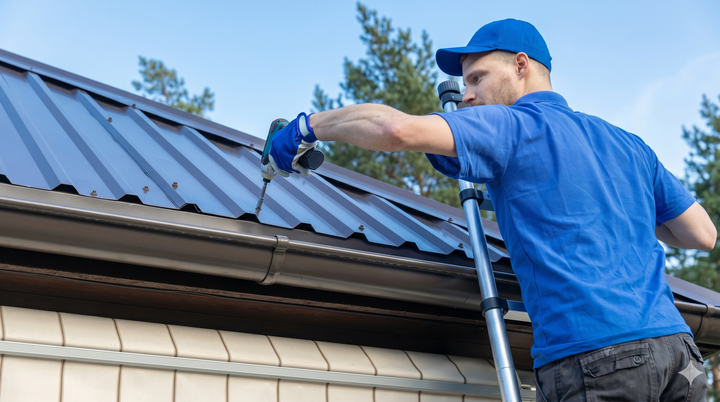
Metal roofing installation involves multiple steps to ensure proper alignment, safety, and durability.
Preparation phase:
- Roof inspection and measurement
- Surface cleaning and structural assessment
Underlayment installation:
- Protective layer placed between roof deck and metal panels
- Helps prevent moisture penetration
Panel placement:
- Metal sheets or shingles are positioned and aligned
- Fastened securely using appropriate methods
Sealing and finishing:
- Edges and joints are sealed to prevent leakage
- Flashing is installed around openings such as chimneys
Inspection and testing:
- Final checks ensure proper installation and stability
Metal Roofing Performance Comparison
Durability Comparison (Illustrative)
Metal Roofing | ***************
Asphalt Roofing | ********
Clay Tiles | ***********
Wood Shingles | ******
This simple graph illustrates relative durability levels across common roofing materials.
Regulations and Policies Affecting Metal Roofing
Metal roofing installation must comply with building codes and safety regulations to ensure structural integrity and environmental compliance.
In India, key regulatory considerations include:
-
National Building Code (NBC):
Provides guidelines for construction practices, including roofing standards -
Local municipal regulations:
Define requirements for building permits, structural safety, and material usage -
Energy efficiency standards:
Encourage the use of reflective and insulated roofing materials -
Environmental guidelines:
Promote sustainable construction practices and waste management -
Fire safety standards:
Ensure roofing materials meet fire resistance requirements
These regulations help maintain safety, durability, and environmental responsibility in construction projects.
Tools and Resources for Metal Roofing
A variety of tools and digital resources support planning, installation, and maintenance of metal roofing systems.
Measurement and planning tools:
- Roofing calculators for estimating material requirements
- Digital measurement apps for accurate roof dimensions
Design and visualization software:
- AutoCAD for creating structural layouts
- SketchUp for visualizing roofing designs
Installation tools:
- Cutting tools for shaping metal panels
- Fastening tools for securing components
Safety equipment:
- Protective gear such as helmets and harnesses
- Anti-slip footwear for rooftop work
Inspection tools:
- Devices for checking alignment and sealing quality
These tools improve precision, safety, and efficiency in roofing projects.
Frequently Asked Questions
What is metal roofing made of?
Metal roofing is typically made from materials such as steel, aluminum, zinc, or copper.
How long does metal roofing last?
Metal roofs can last several decades depending on material quality and environmental conditions.
Is metal roofing suitable for all climates?
Yes, it performs well in various climates, including areas with heavy rain, heat, or snow.
Does metal roofing support solar panels?
Yes, metal roofs are often compatible with solar panel installations due to their durability and structure.
Is metal roofing energy efficient?
Reflective coatings and materials help reduce heat absorption, improving energy efficiency.
Conclusion
Metal roofing provides a durable, efficient, and adaptable solution for modern construction needs. Its ability to withstand environmental stress, combined with advancements in materials and design, makes it a reliable option for various building types.
Recent trends such as energy-efficient coatings, sustainable materials, and integration with solar systems highlight the evolving role of metal roofing in construction. At the same time, building regulations ensure that installations meet safety and performance standards.
Understanding the types, installation basics, and available tools allows individuals and professionals to make informed decisions about roofing systems.
Disclaimer
This content is intended for informational and educational purposes only. It does not promote, endorse, or represent any specific brand, product, or organization. The information provided is general in nature and should not be interpreted as professional, technical, or construction advice.