Mercedes-Benz GLC Electric Overview: Explore Features, Range, Insights and Key Details
The Mercedes-Benz GLC Electric is expected to be an important addition to the growing portfolio of electric vehicles from Mercedes-Benz. As automotive manufacturers accelerate the transition toward electrification, electric SUVs are becoming a major focus due to their popularity among families, professionals, and technology-focused drivers.
The GLC has long been one of the brand’s most recognized luxury SUVs. The electric version is being developed to combine the practicality of the traditional GLC with advanced battery technology, digital connectivity, and zero tailpipe emissions.
The purpose of vehicles like the GLC Electric is to address changing transportation needs while supporting broader sustainability goals. Consumers increasingly seek vehicles that provide modern technology, efficient energy use, advanced safety systems, and reduced environmental impact.
As the electric vehicle market continues to mature, manufacturers are introducing dedicated electric platforms that improve performance, charging capabilities, and overall driving efficiency.
Why the Mercedes-Benz GLC Electric Matters
Electric vehicles have moved beyond a niche segment and are becoming a significant part of the global automotive industry. Premium electric SUVs such as the GLC Electric play an important role in this transformation.
Several factors contribute to its importance:
- Growing demand for electric mobility
- Expansion of charging infrastructure
- Increasing focus on sustainability
- Advances in battery technology
- Development of connected vehicle ecosystems
- Stricter environmental regulations
The GLC Electric may appeal to various groups:
| User Group | Potential Interest |
|---|---|
| Families | Spacious electric SUV |
| Professionals | Premium technology features |
| Fleet Operators | Sustainable mobility strategies |
| EV Enthusiasts | Advanced battery technology |
| Luxury Vehicle Users | Comfort and connectivity |
Electric SUVs help address several transportation challenges, including fuel consumption concerns, emissions reduction objectives, and the need for modern digital vehicle experiences.
Expected Features of the Mercedes-Benz GLC Electric
Mercedes-Benz has consistently focused on combining luxury, innovation, and engineering. Industry expectations suggest that the GLC Electric will continue this approach.
Exterior Design
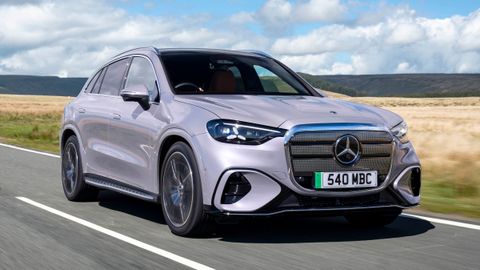
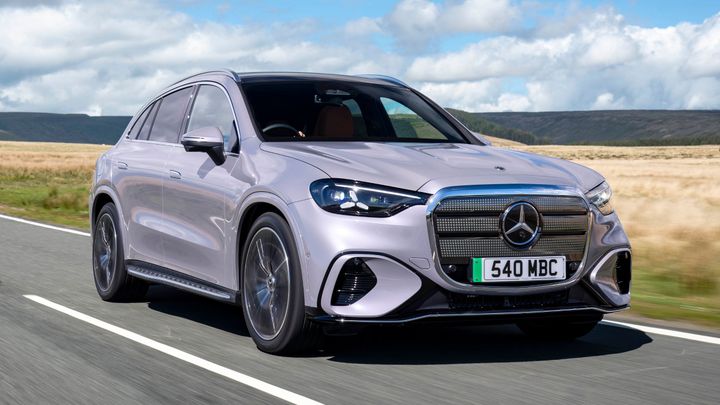
The electric version is expected to feature a modern aerodynamic design that improves efficiency while maintaining the familiar SUV profile.
Potential design highlights include:
- Aerodynamically optimized body structure
- Advanced LED lighting systems
- Distinctive front fascia
- Flush door handles
- Modern wheel designs
- Improved airflow management
These elements contribute to both vehicle efficiency and visual identity.
Interior Technology
Electric vehicles increasingly serve as technology platforms on wheels.
Expected cabin features may include:
- Large digital infotainment display
- Advanced voice assistant integration
- Wireless smartphone connectivity
- Digital instrument cluster
- Navigation with charging station integration
- Over-the-air software update capability
The focus is on creating a connected and user-friendly driving environment.
Safety Technologies
Modern luxury EVs commonly include advanced driver-assistance systems.
Expected technologies may include:
- Adaptive cruise control
- Lane-keeping assistance
- Automatic emergency braking
- Blind-spot monitoring
- Parking assistance systems
- Driver attention monitoring
Safety innovations continue to play a major role in vehicle development across the automotive industry.
Expected Range and Battery Technology
One of the most discussed aspects of any electric vehicle is driving range.
Although official specifications may vary, industry expectations indicate that the Mercedes-Benz GLC Electric could feature a high-capacity battery designed to support long-distance travel while maintaining efficiency.
Important battery-related considerations include:
- Energy storage capacity
- Charging speed
- Thermal management systems
- Battery durability
- Energy recovery technologies
The table below highlights common factors affecting EV range.
| Factor | Impact on Range |
|---|---|
| Driving Speed | Higher speeds may reduce range |
| Weather Conditions | Extreme temperatures affect efficiency |
| Vehicle Load | Additional weight impacts consumption |
| Tire Condition | Influences energy usage |
| Terrain | Hills may increase energy demand |
| Climate Control Usage | Affects battery consumption |
Advanced battery management systems help optimize efficiency and improve real-world driving performance.
Expected Specifications Overview
The following table summarizes anticipated characteristics based on current electric SUV trends.
| Category | Expected Details |
|---|---|
| Vehicle Type | Luxury Electric SUV |
| Powertrain | Fully Electric |
| Battery Technology | High-Capacity Lithium-Ion |
| Charging Capability | Fast Charging Support |
| Seating Capacity | Up to Five Occupants |
| Connectivity | Advanced Digital Integration |
| Safety Systems | Driver Assistance Technologies |
| Software Updates | Over-the-Air Updates |
Official details may vary when the manufacturer releases final specifications.
Recent Updates and Industry Trends
The electric vehicle market experienced substantial growth throughout 2025 and 2026.
Expansion of Premium Electric SUVs
Luxury manufacturers have accelerated investment in electric SUV development. Consumer demand continues to shift toward vehicles that combine practicality, technology, and sustainability.
Improvements in Charging Infrastructure
Throughout 2025, charging networks expanded significantly across many regions.
Key developments included:
- Increased fast-charging availability
- Improved charging reliability
- Enhanced route-planning integration
- Greater interoperability among charging networks
These improvements support broader EV adoption.
Battery Technology Advancements
Automotive manufacturers and battery suppliers continue investing in:
- Higher energy density batteries
- Faster charging solutions
- Improved thermal management
- Extended battery durability
These developments help improve vehicle usability and efficiency.
Growth of Connected Mobility
Modern EVs increasingly integrate connected technologies such as:
- Remote vehicle monitoring
- Smartphone applications
- Predictive maintenance alerts
- Digital vehicle management systems
The chart below illustrates major trends influencing electric vehicle development.
| Industry Trend | Activity Level |
|---|---|
| Battery Innovation | High |
| Fast Charging Networks | High |
| Vehicle Connectivity | High |
| Software-Defined Vehicles | Growing |
| Sustainability Programs | Growing |
| Smart Energy Integration | Growing |
These trends continue shaping the future of electric mobility.
Regulations and Policy Considerations
Electric vehicles are influenced by a variety of regulations and government initiatives.
Vehicle Safety Standards
Manufacturers must comply with regulations covering:
- Crash safety
- Battery protection systems
- Occupant protection
- Structural integrity
- Emergency response procedures
Compliance ensures vehicles meet established safety requirements.
Environmental Regulations
Many governments continue implementing policies designed to reduce emissions.
These policies encourage:
- Electric vehicle adoption
- Cleaner transportation technologies
- Reduced carbon emissions
- Sustainable mobility initiatives
Such regulations influence automotive development strategies worldwide.
Battery Recycling Frameworks
As EV adoption grows, battery recycling has become increasingly important.
Policy areas include:
- Battery collection systems
- Recycling requirements
- Material recovery standards
- Environmental protection measures
These frameworks support long-term sustainability objectives.
Data Privacy and Cybersecurity
Connected electric vehicles generate and process significant amounts of data.
Manufacturers invest in:
- Vehicle cybersecurity systems
- Data protection measures
- Secure software architecture
- Privacy-focused digital platforms
These efforts help safeguard connected vehicle ecosystems.
Helpful Tools and Resources
Several resources can help individuals understand and manage electric vehicle ownership.
EV Charging Station Locators
Useful for identifying nearby charging locations and planning longer journeys.
Examples include:
- Public charging network maps
- Route planning applications
- Charging availability platforms
EV Range Calculators
These tools help estimate:
- Driving distance
- Energy consumption
- Charging requirements
- Trip efficiency
Electric Vehicle Insurance Resources
Helpful for understanding:
- Coverage options
- Risk factors
- Vehicle protection considerations
- Premium EV requirements
Home Charging Planning Tools
These resources assist with:
- Charging equipment selection
- Installation planning
- Energy usage estimates
- Charging schedules
Automotive Research Platforms
Useful for:
- Vehicle comparisons
- Battery technology research
- Safety ratings
- Industry developments
Benefits of Modern Electric SUVs
Modern electric SUVs provide several technological advantages.
| Technology Area | Potential Benefit |
|---|---|
| Electric Powertrain | Reduced tailpipe emissions |
| Fast Charging Support | Improved convenience |
| Connected Systems | Enhanced vehicle management |
| Regenerative Braking | Energy recovery |
| Driver Assistance Features | Improved awareness |
| Software Updates | Ongoing functionality improvements |
These technologies continue to improve the overall EV ownership experience.
Frequently Asked Questions
What is the Mercedes-Benz GLC Electric?
The Mercedes-Benz GLC Electric is an upcoming fully electric luxury SUV designed to combine premium comfort, advanced technology, and sustainable mobility.
How does driving range affect electric vehicle usability?
Driving range determines how far a vehicle can travel on a full battery charge. Factors such as speed, weather, terrain, and vehicle load can influence actual range.
Will the GLC Electric support fast charging?
Industry expectations suggest support for modern fast-charging technologies, although final specifications will depend on official manufacturer announcements.
Why are battery management systems important?
Battery management systems help optimize charging, monitor battery health, improve efficiency, and support long-term performance.
What technologies are commonly found in premium electric SUVs?
Modern premium EVs often include advanced connectivity, digital displays, navigation integration, over-the-air updates, driver-assistance systems, and energy management technologies.
Conclusion
The Mercedes-Benz GLC Electric represents an important step in the evolution of premium electric mobility. By combining luxury SUV practicality with advanced battery technology, connected vehicle features, and modern safety systems, it reflects many of the trends shaping the automotive industry today.
As charging infrastructure expands, battery technology improves, and sustainability goals become increasingly important, electric SUVs are expected to play a larger role in transportation. The GLC Electric highlights how manufacturers are integrating efficiency, innovation, and digital technology into future vehicle development.
Whether viewed from the perspective of electric mobility, automotive technology, sustainability, or premium transportation, the Mercedes-Benz GLC Electric remains a significant model to watch as the EV market continues to evolve.