Mercedes-AMG E53 PHEV: Complete Guide, Features and Overview
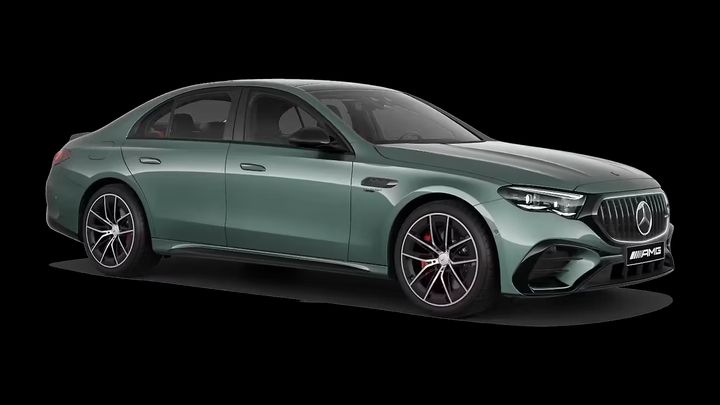
Luxury performance vehicles are gradually adopting electrified technologies, and the Mercedes-AMG E53 PHEV represents this transition. Instead of relying only on a conventional petrol engine, this model combines a turbocharged engine with an electric motor to deliver improved efficiency, instant torque and enhanced driving performance.
The E53 PHEV belongs to Mercedes-AMG's performance-oriented lineup while also introducing plug-in hybrid technology that supports everyday usability. It demonstrates how manufacturers are balancing performance, environmental considerations and modern digital features in premium vehicles.
For readers interested in automotive technology, hybrid systems and premium mobility, understanding how the Mercedes-AMG E53 PHEV works provides useful insights into where the industry is moving over the coming years.
What is the Mercedes-AMG E53 PHEV?
The Mercedes-AMG E53 PHEV is a plug-in hybrid electric vehicle (PHEV) developed by Mercedes-AMG.
Unlike a traditional petrol-powered vehicle, a plug-in hybrid combines:
- A turbocharged petrol engine
- A high-capacity battery
- An electric motor
- Regenerative braking technology
- Intelligent power management software
The electric motor can assist the petrol engine during acceleration or power the vehicle independently for shorter distances depending on driving conditions and battery charge.
This combination allows the vehicle to deliver strong performance while reducing fuel consumption during certain driving scenarios.
Understanding Plug-in Hybrid Technology
A Plug-in Hybrid Electric Vehicle differs from both conventional petrol cars and fully electric vehicles.
| Vehicle Type | Energy Source | External Charging | Petrol Engine |
|---|---|---|---|
| Petrol Vehicle | Petrol | No | Yes |
| Hybrid Vehicle | Petrol + Small Battery | No | Yes |
| Plug-in Hybrid | Petrol + Large Battery | Yes | Yes |
| Battery Electric Vehicle | Battery Only | Yes | No |
The Mercedes-AMG E53 PHEV belongs to the third category.
Owners can charge the battery externally while still having the flexibility of a petrol engine for longer journeys.
Why the Mercedes-AMG E53 PHEV Matters Today
The global automotive industry is moving toward lower-emission mobility while continuing to improve performance.
Manufacturers are introducing:
- Hybrid engines
- Plug-in hybrid systems
- Mild hybrid technology
- Battery electric vehicles
- Advanced energy management software
The Mercedes-AMG E53 PHEV reflects these developments by combining:
- High-performance engineering
- Electrified driving
- Intelligent energy recovery
- Connected vehicle technology
- Premium comfort
For drivers interested in performance-oriented vehicles, plug-in hybrids provide an alternative that balances traditional driving characteristics with newer electrified systems.
Who Can Benefit from Understanding This Vehicle?
Learning about the Mercedes-AMG E53 PHEV may be useful for:
- Automotive enthusiasts
- Technology professionals
- Students studying vehicle engineering
- Researchers following hybrid mobility
- Readers interested in luxury automotive trends
- Individuals comparing different powertrain technologies
Even for people who are not planning to own a premium vehicle, understanding plug-in hybrid systems helps explain how future passenger vehicles may evolve.
Key Features at a Glance
| Feature | Overview |
|---|---|
| Vehicle Type | Plug-in Hybrid Electric Vehicle |
| Brand | Mercedes-AMG |
| Body Style | Luxury Performance Sedan |
| Powertrain | Petrol Engine + Electric Motor |
| Charging | External Charging Supported |
| Regenerative Braking | Yes |
| Digital Cockpit | Yes |
| Driver Assistance Systems | Available |
| Connected Features | Yes |
Performance Meets Electrification
Mercedes-AMG has traditionally focused on high-performance engineering.
The E53 PHEV continues that philosophy while integrating electric propulsion.
Some advantages of this combination include:
- Immediate electric torque
- Improved acceleration response
- Reduced engine load in suitable conditions
- Better energy utilization
- Smoother low-speed driving
The electric motor and petrol engine can work independently or together depending on driving requirements.
Sophisticated software continuously determines the most efficient power source.
Intelligent Energy Management
Modern plug-in hybrids rely heavily on software rather than mechanical systems alone.
The Mercedes-AMG E53 PHEV uses intelligent control systems that monitor:
- Battery level
- Driver input
- Vehicle speed
- Navigation data
- Road conditions
- Regenerative braking opportunities
These systems automatically determine when to:
- Use electric power
- Start the petrol engine
- Recharge the battery while driving
- Recover braking energy
Such automation improves overall efficiency without requiring constant driver intervention.
Interior Technology
The latest Mercedes-AMG vehicles continue to emphasize digital experiences.
Depending on the variant and market, the E53 PHEV may include features such as:
- Digital instrument cluster
- Large infotainment display
- Voice assistant functionality
- Smartphone integration
- Wireless connectivity
- Navigation system
- Multiple driving modes
- Digital vehicle information
These technologies are designed to improve convenience while also displaying detailed hybrid system information.
Safety Technologies
Modern premium vehicles increasingly rely on electronic safety systems.
The Mercedes-AMG E53 PHEV includes a range of technologies intended to support safer driving.
Examples may include:
- Adaptive cruise assistance
- Lane keeping assistance
- Emergency braking support
- Blind spot monitoring
- Parking assistance
- Multiple airbags
- Electronic stability systems
- Traction control
Safety features vary depending on market specifications.
Recent Developments
The automotive industry has seen significant growth in plug-in hybrid technology during the past year.
Some important developments include:
- Expansion of electrified vehicle portfolios by global manufacturers.
- Continued investment in hybrid powertrain development.
- Improvements in battery efficiency and charging technologies.
- Enhanced software for energy management and regenerative braking.
- Increasing availability of connected vehicle technologies.
Mercedes-Benz has continued expanding its electrified AMG lineup globally, with the latest-generation Mercedes-AMG E53 Hybrid 4MATIC+ introducing a more advanced plug-in hybrid powertrain, updated digital technologies, and enhanced performance capabilities in 2025. The model represents Mercedes-AMG's ongoing strategy of combining high-performance engineering with electrification for future mobility.
Industry trends also show that plug-in hybrid vehicles continue to serve as a bridge between conventional internal combustion vehicles and fully electric vehicles in many global markets.
Laws and Policies Related to Plug-in Hybrid Vehicles
The regulatory environment for plug-in hybrid vehicles (PHEVs) varies across countries. In India, vehicle manufacturers must comply with national standards related to emissions, safety, and vehicle certification before introducing new models.
Some important regulations and policies include:
- Bharat Stage (BS6 Phase 2) Emission Standards: All new passenger vehicles sold in India must comply with the latest BS6 Phase 2 emission norms. These standards help reduce harmful emissions while improving engine efficiency.
- Vehicle Safety Regulations: New vehicles must satisfy safety requirements established under the Central Motor Vehicles Rules (CMVR). Depending on the vehicle, this may include crash protection standards, electronic stability systems, airbags, and pedestrian safety requirements.
- Type Approval Certification: Before a vehicle is introduced in India, it undergoes testing and certification by authorized agencies to ensure compliance with applicable regulations.
- Electric Mobility Initiatives: While many government programs primarily focus on battery electric vehicles (BEVs), continued investment in charging infrastructure also benefits plug-in hybrid owners because these vehicles can utilize external charging facilities.
- Charging Standards: Public charging infrastructure in India continues to expand under national and state-level initiatives, making plug-in charging increasingly accessible.
As regulations evolve, manufacturers regularly update their vehicle technologies to remain compliant with changing environmental and safety requirements.
How Plug-in Hybrid Vehicles Support Modern Mobility
Plug-in hybrid vehicles occupy a unique position between traditional petrol-powered vehicles and fully electric vehicles.
Some practical advantages include:
- Ability to operate using electric power for shorter journeys.
- Petrol engine available for extended travel.
- Reduced dependence on charging during long-distance driving.
- Regenerative braking helps recover energy while slowing down.
- Intelligent software automatically manages energy usage.
This flexibility has contributed to growing interest in plug-in hybrid technology in many global automotive markets.
Technology Comparison
| Feature | Conventional Petrol | Hybrid | Plug-in Hybrid (PHEV) |
|---|---|---|---|
| Petrol Engine | Yes | Yes | Yes |
| Electric Motor | No | Yes | Yes |
| External Charging | No | No | Yes |
| Regenerative Braking | No | Yes | Yes |
| Battery Capacity | Very Small | Small | Larger |
| Electric-Only Driving | No | Limited | Available |
| Intelligent Energy Management | Basic | Advanced | Highly Advanced |
Digital Features Supporting Everyday Driving
Modern luxury vehicles increasingly rely on software alongside mechanical engineering.
Depending on market specifications, the Mercedes-AMG E53 PHEV may include digital technologies such as:
- Real-time vehicle diagnostics
- Connected navigation
- Remote vehicle information
- Smartphone integration
- Voice-controlled infotainment
- Digital driving modes
- Charging information display
- Energy flow visualization
- Driver assistance monitoring
These technologies help drivers better understand how the hybrid system operates under different driving conditions.
Useful Tools and Resources
Several official tools and resources can help readers learn more about hybrid vehicles, charging technology, and automotive regulations.
| Resource | Purpose |
|---|---|
| Mercedes-Benz Official Website | Vehicle specifications and official updates |
| Vahan Portal | Vehicle registration information |
| Ministry of Road Transport & Highways | Motor vehicle regulations |
| Bureau of Indian Standards (BIS) | Technical standards |
| Automotive Research Association of India (ARAI) | Vehicle testing and certification |
| Charging Station Locator Apps | Locate compatible charging stations |
| Google Maps | Identify nearby EV charging locations |
| Owner's Manual | Learn vehicle features and maintenance guidance |
These resources provide reliable information for understanding modern hybrid vehicles and related regulations.
Industry Trends
Several trends continue shaping the future of plug-in hybrid vehicles:
- Higher battery efficiency.
- Faster charging technologies.
- Improved thermal management systems.
- Advanced driver assistance features.
- More connected vehicle software.
- Increased use of artificial intelligence in energy management.
- Better regenerative braking systems.
- Enhanced digital cockpit experiences.
Manufacturers are also investing heavily in software-defined vehicles, where many functions can be improved through future software updates.
Frequently Asked Questions
What is a plug-in hybrid vehicle?
A plug-in hybrid vehicle combines a petrol engine with a rechargeable battery and an electric motor. Unlike a standard hybrid, it can be charged using an external power source while also operating with the petrol engine when needed.
Does the Mercedes-AMG E53 PHEV require external charging?
Yes. As a plug-in hybrid, it supports external charging to replenish the battery. It can also recover some energy through regenerative braking during driving.
How is a plug-in hybrid different from a fully electric vehicle?
A fully electric vehicle operates solely on battery power. A plug-in hybrid includes both a battery-electric system and a conventional petrol engine, allowing greater flexibility for longer journeys.
Is regenerative braking the same as normal braking?
No. Regenerative braking converts part of the vehicle's kinetic energy into electrical energy, which is stored in the battery. Conventional braking primarily dissipates energy as heat.
Why are manufacturers developing more plug-in hybrid vehicles?
Automakers are introducing plug-in hybrid technology to improve efficiency, reduce emissions, support electrification, and provide a transition between conventional internal combustion vehicles and fully electric vehicles.
Key Takeaways
| Topic | Summary |
|---|---|
| Vehicle Type | Luxury Plug-in Hybrid Sedan |
| Powertrain | Petrol Engine + Electric Motor |
| Charging | External Charging Supported |
| Technology | Connected Digital Features |
| Safety | Advanced Driver Assistance Technologies |
| Efficiency | Intelligent Energy Management |
| Performance | Electric Torque with Petrol Power |
| Future Ready | Supports Automotive Electrification |
Conclusion
The Mercedes-AMG E53 PHEV demonstrates how modern automotive engineering is combining traditional performance with electrified technology. By integrating a turbocharged petrol engine, an electric motor, intelligent energy management, and advanced digital systems, it reflects the broader transformation taking place across the global automotive industry.
Beyond performance, the vehicle illustrates the growing importance of software, connectivity, battery technology, and energy efficiency in premium automobiles. Plug-in hybrid systems provide an opportunity to experience electrified driving while retaining the convenience of a conventional engine for longer journeys.
As governments continue strengthening emission regulations and manufacturers invest in cleaner mobility technologies, plug-in hybrid vehicles are expected to remain an important part of the transition toward lower-emission transportation. Understanding vehicles like the Mercedes-AMG E53 PHEV helps readers appreciate both current automotive innovations and the direction in which future mobility is evolving.