Marine Safety Equipment: Essential Guide for Safer Maritime Operations
Marine safety equipment includes essential devices and protective tools that support safer navigation, emergency preparedness, communication, and survival at sea.
Marine safety equipment refers to the protective devices, emergency systems, and survival tools used on ships, boats, and other vessels. These items exist to help people prepare for unexpected situations such as fires, flooding, collisions, rough weather, and emergencies at sea.
Common marine safety equipment includes life jackets, lifebuoys, liferafts, emergency position devices, fire detection systems, marine communication equipment, and personal protective equipment. The exact equipment needed depends on the vessel type, operating area, passenger capacity, and applicable maritime regulations.
Modern maritime safety also focuses on prevention. Navigation technology, vessel monitoring systems, emergency communication, and regular safety checks can help crews identify risks before they become serious incidents.
Importance
Marine transportation remains important for international trade, fishing, tourism, offshore operations, and passenger travel. Because vessels often operate far from immediate emergency support, onboard safety equipment plays a critical role.
Marine safety equipment affects:
- Ship crew members and officers
- Passengers
- Fishing vessel operators
- Port and harbor personnel
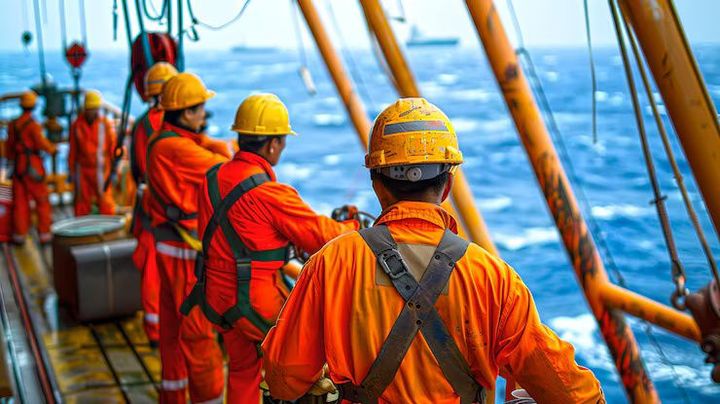
- Offshore workers
- Recreational boat users
How Marine Safety Equipment Helps
Well-maintained equipment can support faster action during emergencies. Life-saving appliances help improve survival preparedness, while fire safety systems assist with early detection and response.
Communication equipment can help vessels share distress information and receive important navigational or weather updates. Personal protective equipment may also reduce exposure to workplace hazards during specific maritime activities.
| Safety Area | Common Equipment | Main Purpose |
|---|---|---|
| Personal safety | Life jackets and immersion suits | Supports flotation and protection |
| Emergency survival | Liferafts and survival equipment | Helps during vessel abandonment |
| Fire protection | Alarms and extinguishing equipment | Supports fire detection and control |
| Communication | Marine radios and distress systems | Helps transmit emergency information |
| Navigation | Radar and electronic navigation tools | Supports situational awareness |
Recent Updates
During the past year, maritime safety discussions have continued to focus on digital monitoring, crew preparedness, cyber resilience, and improved emergency communication.
In 2025 and 2026, the maritime industry has continued to pay attention to the growing use of connected vessel systems. Digital navigation, electronic monitoring, and automated alerts can support faster access to safety information. At the same time, these technologies have increased awareness of cybersecurity and the need to protect critical onboard systems.
Another continuing trend is the development of safety procedures for alternative marine fuels and new vessel technologies. As the shipping industry explores lower-emission operations, safety frameworks are also adapting to address new operational risks.
Training and regular emergency drills remain important. Technology can improve awareness, but trained crews are still essential for using life-saving appliances and emergency equipment correctly.
Laws or Policies
Marine safety equipment is strongly influenced by international and national maritime regulations. One of the most important global frameworks is the International Convention for the Safety of Life at Sea, commonly known as SOLAS.
SOLAS establishes broad requirements covering areas such as:
- Life-saving appliances
- Fire safety
- Emergency communication
- Navigation safety
- Safety management
- Passenger vessel protection
National maritime authorities may also apply additional rules based on local waters and vessel categories. Requirements can differ between commercial ships, fishing vessels, passenger vessels, and recreational craft.
Regular inspections, maintenance records, safety drills, and equipment testing are commonly part of maritime compliance practices. Equipment should also meet applicable technical and certification requirements.
Tools and Resources
Several general tools and resources can help support maritime safety awareness and preparation.
Useful Safety Resources
- Digital safety checklists for pre-departure inspections
- Emergency drill templates for onboard preparedness
- Marine weather monitoring tools
- Navigation planning applications
- Equipment inspection logs
- Emergency contact lists
- Voyage risk assessment templates
- Maritime safety training materials
- Incident reporting forms
A simple inspection checklist can help crews review important equipment before departure. Typical checks may include battery status, emergency communication readiness, life-saving appliance condition, fire equipment accessibility, and navigation system functionality.
FAQs
What is marine safety equipment?
Marine safety equipment includes protective, emergency, survival, communication, and fire safety devices used to support safer vessel operations.
Why are life jackets important?
Life jackets are designed to provide flotation support in an emergency. They should be appropriate for the intended marine activity and maintained according to applicable guidance.
How often should marine safety equipment be checked?
Inspection frequency depends on the equipment type, vessel requirements, manufacturer guidance, and applicable maritime regulations. Regular visual checks and scheduled maintenance are important.
What is the purpose of emergency marine communication equipment?
Emergency communication equipment helps transmit distress information and supports communication during urgent situations at sea.
Do all vessels require the same safety equipment?
No. Requirements can vary based on vessel type, size, purpose, passenger capacity, and the waters where it operates.
Conclusion
Marine safety equipment remains an essential part of responsible vessel operation. From personal flotation devices and liferafts to fire protection and emergency communication systems, each category supports a different aspect of maritime preparedness.
Current trends show increasing use of digital monitoring and advanced vessel technology, while international safety rules continue to guide equipment standards and operational practices. Regular inspections, proper maintenance, crew training, and emergency drills remain central to maritime safety.
Disclaimer
This article provides general educational information about marine safety equipment. Specific equipment requirements and maritime rules may vary by vessel type, operating area, and applicable regulations. Readers should consult the relevant maritime authority and current regulatory guidance for specific operational requirements.