Learn About Lab Furnace Equipment: Benefits, Applications, Maintenance Tips, and Facts
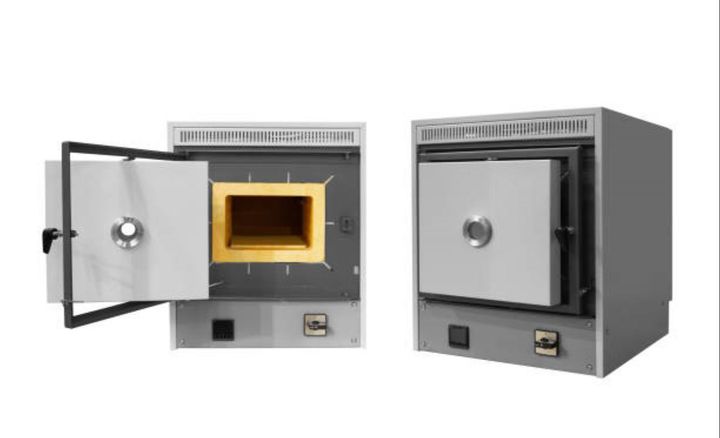
Laboratory furnace equipment refers to specialized thermal processing systems designed to generate controlled high temperatures for scientific, industrial, and research purposes. These systems are used to heat materials in a regulated environment to achieve chemical, physical, or structural changes.
A lab furnace typically includes insulated chambers, heating elements, temperature controllers, and safety monitoring systems. Unlike general heating devices, laboratory heating equipment is built to maintain precise temperature ranges, often exceeding 1,000°C or higher, depending on the application.
Common types of laboratory furnaces include:
-
Muffle furnaces
-
Tube furnaces
-
Vacuum furnaces
-
Box furnaces
-
Ashing furnaces
-
High-temperature industrial furnace systems
These systems exist to support advanced material testing, chemical analysis, ceramics development, metallurgy research, electronics manufacturing, and environmental testing. Controlled thermal environments are essential for reproducible and accurate experimental results.
In modern laboratories and research facilities, thermal processing equipment plays a foundational role in quality assurance, innovation, and regulatory compliance.
Why Lab Furnace Equipment Matters Today
Laboratory furnace equipment is critical in industries where material integrity, chemical composition, and structural performance must be verified through precise heat treatment processes.
This equipment directly affects:
-
Research laboratories
-
Universities and academic institutions
-
Pharmaceutical testing facilities
-
Aerospace and automotive material labs
-
Environmental and geological testing centers
-
Semiconductor and electronics industries
High temperature furnace systems solve several technical challenges:
-
Controlled calcination and sintering
-
Heat treatment of metals and alloys
-
Ash content determination
-
Ceramic firing
-
Thermal stability testing
-
Polymer decomposition studies
Accurate temperature control ensures:
-
Reliable laboratory data
-
Compliance with industrial standards
-
Material durability verification
-
Reduced contamination risk
As industries focus more on advanced materials, renewable energy components, and precision manufacturing, materials testing furnaces have become more technologically advanced. Digital controllers, programmable temperature ramps, and integrated safety sensors improve operational reliability and reduce manual errors.
The increasing demand for research laboratory equipment in sectors such as battery technology, nanotechnology, and environmental science has further expanded the relevance of high-performance laboratory furnaces.
Recent Updates and Industry Trends
Over the past year, several developments have influenced laboratory furnace equipment design and usage.
In 2025, manufacturers emphasized energy-efficient furnace insulation systems to reduce overall power consumption. Enhanced ceramic fiber insulation and advanced refractory materials have improved thermal retention while minimizing external heat loss.
Digital integration has also progressed. Many modern industrial furnace systems now include:
-
Touchscreen programmable logic controllers (PLC)
-
Remote temperature monitoring via secure networks
-
Automated safety shutdown protocols
-
Data logging for regulatory documentation
Environmental sustainability has become a priority. In mid-2025, several research equipment manufacturers introduced models designed to lower emissions and reduce carbon footprints through improved thermal management.
Another notable trend involves vacuum and inert atmosphere furnaces. These systems help prevent oxidation during sensitive processes such as semiconductor wafer preparation and high-purity alloy development.
Graph: Key Trends in Laboratory Furnace Equipment (2025)
| Trend Area | Industry Focus Level |
|---|---|
| Energy Efficiency | High |
| Digital Automation | High |
| Remote Monitoring | Moderate |
| Emission Reduction | High |
| Advanced Safety Systems | High |
These developments reflect a broader shift toward smarter, safer, and more sustainable laboratory heating equipment.
Laws and Regulatory Considerations
Laboratory furnace equipment is subject to various safety, environmental, and operational regulations depending on the country and industry sector.
In many regions, workplace safety regulations require compliance with occupational health standards that address:
-
Thermal hazard protection
-
Electrical safety compliance
-
Ventilation requirements
-
Fire prevention systems
Environmental regulations may govern:
-
Emission control
-
Hazardous material handling
-
Energy efficiency standards
For example, in the United States, laboratories must comply with Occupational Safety and Health Administration (OSHA) guidelines for high temperature equipment handling. Environmental standards from the Environmental Protection Agency (EPA) may apply when furnaces are used in chemical processing.
In the European Union, compliance with CE marking requirements and Low Voltage Directive (LVD) standards is necessary for electrical laboratory heating equipment. REACH regulations may also affect material composition.
Many countries have introduced updated energy performance frameworks between 2024 and 2025 to encourage reduced energy consumption in industrial furnace systems.
Laboratories operating under ISO standards such as ISO 17025 must maintain calibrated temperature control systems and proper documentation for audit purposes.
Regulatory compliance ensures:
-
Worker safety
-
Environmental protection
-
Reliable laboratory outcomes
-
Legal operational status
Tools and Resources for Lab Furnace Management
Efficient operation of laboratory furnace equipment depends on accurate monitoring and documentation.
Helpful tools include:
-
Digital temperature calibration devices
-
Thermocouple testing instruments
-
Furnace performance validation templates
-
Data logging software
-
Thermal profiling tools
-
Preventive maintenance checklists
Table: Essential Lab Furnace Monitoring Tools
| Tool Type | Purpose |
|---|---|
| Thermocouple Calibrator | Verifies temperature accuracy |
| Data Logging Software | Tracks temperature history |
| Thermal Profiling Kit | Maps heat distribution inside chamber |
| Maintenance Log Template | Records inspections and servicing |
| Safety Compliance Checklist | Ensures regulatory adherence |
Online resources from recognized standards organizations provide updated technical guidelines. Many research institutions publish open-access materials on furnace best practices and thermal processing techniques.
Laboratory information management systems (LIMS) also integrate with advanced thermal processing equipment to document experimental conditions and maintain traceability.
Maintenance Tips for Long-Term Performance
Proper maintenance of a high temperature furnace enhances safety, accuracy, and equipment lifespan.
Key maintenance practices include:
-
Regular inspection of heating elements
-
Cleaning furnace chambers to prevent contamination
-
Checking insulation integrity
-
Verifying thermocouple calibration
-
Testing emergency shutoff systems
-
Inspecting door seals and gaskets
Preventive maintenance schedules help detect wear before performance declines. Overheating, uneven heating zones, and fluctuating temperatures are often early indicators of internal component degradation.
Routine documentation supports compliance with safety standards and quality management systems.
Frequently Asked Questions
What is the difference between a muffle furnace and a tube furnace?
A muffle furnace features a closed heating chamber that isolates materials from combustion gases, making it suitable for ashing and material testing. A tube furnace uses a cylindrical tube for controlled atmosphere processing, often applied in research and advanced material synthesis.
What temperature range can laboratory furnaces reach?
Most laboratory heating equipment operates between 800°C and 1,800°C. Specialized high temperature furnace systems may exceed 2,000°C for advanced metallurgy or ceramic applications.
How often should a laboratory furnace be calibrated?
Calibration frequency depends on regulatory requirements and usage intensity. Many research facilities perform temperature calibration annually or biannually to maintain compliance with ISO laboratory standards.
What safety precautions are required when operating thermal processing equipment?
Operators should use heat-resistant protective gear, ensure proper ventilation, follow electrical safety guidelines, and confirm that emergency shutdown mechanisms are functional.
Can laboratory furnaces operate under vacuum conditions?
Yes. Vacuum furnaces and controlled atmosphere furnaces are designed to remove oxygen and prevent oxidation, which is essential for certain metal and semiconductor processes.
Technical Overview Table
| Feature | Standard Lab Furnace | Advanced Industrial Furnace System |
|---|---|---|
| Temperature Control | Digital PID Controller | PLC with programmable profiles |
| Atmosphere Control | Ambient | Vacuum or inert gas |
| Data Recording | Basic display | Integrated digital logging |
| Energy Efficiency | Moderate | High-performance insulation |
| Safety Systems | Manual monitoring | Automated shutdown & alarms |
Conclusion
Laboratory furnace equipment plays a central role in modern scientific research, materials engineering, and industrial quality control. These systems provide controlled thermal environments that enable precise chemical reactions, structural transformations, and material analysis.
Recent technological improvements in digital automation, energy efficiency, and safety compliance have made industrial furnace systems more reliable and environmentally responsible. Regulatory frameworks continue to guide safe operation, ensuring laboratories maintain high standards of worker protection and environmental stewardship.
By understanding applications, maintenance practices, and compliance requirements, laboratories can optimize performance while maintaining operational integrity. As research demands grow across advanced manufacturing, renewable energy, and materials science sectors, laboratory heating equipment remains a vital component of innovation and scientific advancement.