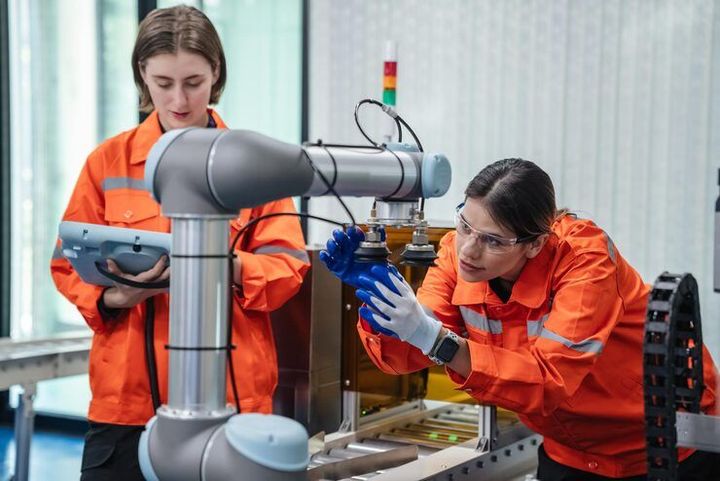
Learn About Fluid Power Systems Hydraulics Pneumatics and Key Components
Fluid power systems are technologies that use pressurized liquids or gases to transmit energy and perform mechanical work. Instead of relying only on electrical wiring or mechanical linkages, these systems convert fluid pressure into motion, making them essential in industries where controlled force and movement are required. Hydraulics and pneumatics are the two primary categories, each using a different type of fluid and offering unique advantages.
The importance of understanding fluid power systems has grown globally as automation and industrial efficiency continue to expand. According to global research in manufacturing and engineering sectors, industries are increasingly adopting fluid-based systems to achieve higher precision, reliability, and operational flexibility. This trend reflects a broader shift toward technologies that support scalable and adaptable production environments.
In everyday applications, fluid power systems influence how machines operate in areas such as manufacturing, transportation, and automation. From lifting heavy loads to enabling precise robotic movements, these systems play a critical role in improving productivity. As adoption increases, it becomes important to understand who benefits from these systems and the problems they are designed to solve.
Who It Affects & Problems It Solves
Fluid power systems affect a wide global audience, including engineers, technicians, manufacturing professionals, and business operators. Students entering technical fields also benefit from understanding these systems as part of their foundational knowledge. Additionally, industries that rely on machinery and automation depend heavily on fluid power to maintain efficiency and consistency in operations.
Without clarity on the differences between hydraulics and pneumatics, many individuals and organizations may choose systems that do not align with their requirements. This can lead to inefficiencies, increased maintenance, or reduced performance. Fluid power systems help solve these challenges by offering solutions tailored to specific needs, whether it is high force, precision, or speed.
A common scenario involves selecting a system based only on initial cost rather than long-term functionality. For example, using a pneumatic system for heavy-duty applications may result in insufficient force, while choosing hydraulics for lightweight tasks may increase complexity unnecessarily. Understanding these distinctions helps avoid such issues and supports better decision-making. This awareness naturally leads to examining recent developments in fluid power systems.
Recent Updates
Over the past year, fluid power systems have increasingly integrated digital technologies. Sensors and monitoring tools are now commonly used to track system performance and predict maintenance needs. This development aligns with broader trends toward smart and connected industrial systems.
Another important trend is the focus on energy efficiency. Industry data suggests that organizations are optimizing fluid power systems to reduce energy consumption by improving design and minimizing pressure losses. This has led to innovations in components that enhance overall system efficiency.
Compact and modular system designs have also gained popularity. Manufacturers are developing smaller components that can be easily integrated into different machines, allowing for greater flexibility and customization.
Additionally, training and learning resources for fluid power systems have become more accessible through digital platforms. This has made it easier for individuals to understand system operations and improve their skills. These updates highlight the evolving nature of fluid power technology and lead into a comparison of hydraulics and pneumatics.
Comparison Table
The table below compares hydraulics and pneumatics across key parameters to help understand their differences and applications.
| Parameter | Hydraulics | Pneumatics |
|---|---|---|
| Working Medium | Liquid | Gas |
| Compressibility | Very low | High |
| Force Output | High | Moderate |
| Precision | High | Lower |
| Speed | Moderate | High |
| System Complexity | Higher | Lower |
| Maintenance | Requires regular monitoring | Easier to maintain |
| Cost Level | Moderate to high | Lower |
| Typical Applications | Heavy machinery | Automation tools |
| Efficiency | High under load | Lower due to air compression |
The comparison shows that hydraulics is better suited for high-force and precision tasks, while pneumatics is ideal for faster and simpler operations. This distinction helps guide system selection based on specific requirements and leads into understanding regulatory considerations.
Regulations & Practical Guidance
In most countries, fluid power systems are governed by safety and operational standards to ensure reliable performance. These standards typically focus on pressure limits, material quality, and system maintenance. Manufacturers and operators are expected to follow these guidelines to minimize risks such as leaks or system failures.
Globally, there is increasing emphasis on training and certification for professionals working with fluid power systems. Proper knowledge of system design, operation, and maintenance is essential for safe and efficient use. Regular inspection and adherence to operational limits are also common requirements across many jurisdictions.
Environmental considerations are also becoming important. Efforts are being made to reduce fluid leakage and improve energy efficiency. This includes better sealing technologies and optimized system designs that reduce waste and improve sustainability.
Which Option Suits Your Situation?
For individuals working in heavy-duty applications, hydraulics is generally more suitable due to its ability to generate high force and maintain precision. It is commonly used in tasks that require lifting or pressing heavy loads.
For those involved in automation or lightweight operations, pneumatics offers advantages such as speed and simplicity. It is ideal for repetitive tasks and systems requiring quick response times.
For beginners and learners, understanding both systems is important before choosing a specialization. Building foundational knowledge helps in making informed decisions later.
For organizations seeking flexibility, combining both systems can provide balanced performance. This approach allows for efficient handling of different types of tasks within a single operation. These considerations lead into exploring useful tools and resources.
Tools & Resources
Several globally accessible tools and resources can help individuals understand and work with fluid power systems more effectively.
Fluid Power Simulation Software — allows users to model hydraulic and pneumatic systems and analyze their behavior.
Engineering Learning Platforms — provide structured courses and tutorials on fluid power concepts and applications.
Component Selection Guides — help users choose appropriate system components based on requirements.
Maintenance Tracking Tools — assist in monitoring system performance and scheduling maintenance activities.
Technical Manuals — offer detailed explanations of system design, operation, and troubleshooting.
Professional Communities — provide platforms for knowledge sharing and discussion among experts and learners.
These resources support learning and practical application, leading naturally into frequently asked questions.
Frequently Asked Questions
What are fluid power systems?
Fluid power systems use pressurized liquids or gases to transmit energy and perform mechanical work. They rely on components such as pumps, valves, and actuators to convert pressure into motion, enabling machines to carry out tasks efficiently.
What is the difference between hydraulics and pneumatics?
Hydraulics uses liquids and provides high force and precision, while pneumatics uses gases and offers faster and simpler operation. The choice depends on the specific requirements of the application, such as load, speed, and control.
Are fluid power systems regulated globally?
Yes, in most countries these systems are subject to safety and operational standards. These regulations ensure proper usage, maintenance, and system reliability, although specific rules may vary by region.
What is a common misconception about these systems?
A common misconception is that hydraulics and pneumatics can be used interchangeably. While they share similar principles, their performance characteristics differ, making them suitable for different applications.
How often should these systems be maintained?
Maintenance frequency depends on usage and operating conditions. Regular inspection and adherence to recommended guidelines are essential to ensure efficiency and longevity of the system.
Conclusion
Fluid power systems are essential technologies that enable controlled motion through pressurized fluids. Hydraulics and pneumatics each offer distinct advantages, with hydraulics providing high force and precision and pneumatics offering speed and simplicity. Understanding these differences is key to selecting the right system for specific applications.
For most users, the decision depends on balancing performance requirements with operational complexity. Evaluating factors such as force, speed, and maintenance needs can help ensure effective system selection.
As global industries continue to evolve, fluid power systems are expected to become more efficient and integrated with advanced technologies, making it important to stay informed about ongoing developments.