Learn About Diamond Rings: Facts, Details, Insights, and Expert Advice for Beginners
Diamond rings are pieces of jewelry that feature a diamond as the main gemstone, usually set in metal bands such as gold, platinum, or silver. They have been worn for centuries as symbols of commitment, status, celebration, and personal expression. Over time, they became strongly associated with engagement traditions, milestone events, and cultural rituals around the world.
Diamonds are valued for their physical properties. They are the hardest known natural material, formed deep within the Earth under extreme heat and pressure over billions of years. Their durability, brilliance, and ability to refract light make them distinct from other gemstones. Modern diamond rings may feature natural diamonds or laboratory-grown diamonds, which have the same chemical and physical structure as mined ones but are created in controlled environments.
Understanding diamond rings involves learning about gemstone quality, ring design, setting styles, and grading systems. These elements help explain why different rings can look very different even when they appear similar at first glance.
Importance
Diamond rings matter today for cultural, emotional, and material reasons. They affect individuals, families, designers, jewelers, and the global gemstone industry.
They are important because they:
-
Mark life events such as engagements, anniversaries, and achievements
-
Serve as long-lasting heirlooms passed across generations
-
Represent craftsmanship combining gemology, metalwork, and design
-
Reflect ethical, environmental, and sourcing concerns in modern society
Diamond education also helps solve common problems. Many people find gemstones confusing due to technical terms and grading scales. Clear knowledge supports:
-
Better understanding of diamond quality characteristics
-
Awareness of ethical sourcing and traceability issues
-
Recognition of differences between natural and lab-grown diamonds
-
Confidence when reading certificates or gem reports
As consumer awareness grows, people are paying more attention to transparency, origin, and environmental impact rather than appearance alone.
Recent Updates and Trends
In the past year, several developments have influenced the diamond ring industry.
One major trend through 2024 and into early 2025 has been the continued rise of laboratory-grown diamonds. Improved technology has made production more efficient, and these diamonds are increasingly used in modern jewelry collections. Many consumers are interested in their controlled origin and reduced environmental footprint compared with traditional mining.
Traceability has also become more important. Digital tracking systems and blockchain-based records are being explored to document a diamond’s journey from origin to finished jewelry. This helps address concerns about conflict diamonds and responsible sourcing.
Design trends have shifted as well. Minimalist styles, vintage-inspired settings, and unique shapes such as oval, pear, and emerald cuts have grown in popularity. Yellow and rose gold settings have seen renewed interest alongside classic white metals.
Another significant development involves international trade measures related to rough diamond flows. In 2024, groups of major economies strengthened controls on the import of certain diamonds to improve supply chain transparency and reduce the circulation of stones linked to conflict zones. These measures have influenced documentation practices across the industry.
Sustainability discussions have expanded too. Consumers increasingly ask about carbon footprint, mining practices, and social impact, encouraging companies to publish environmental and social responsibility reports.
Laws and Policies
Diamond rings are affected by a range of international and national regulations.
One key global initiative is the Kimberley Process Certification Scheme. It aims to prevent the trade of conflict diamonds by requiring participating countries to certify that rough diamonds are conflict-free. While it does not cover all ethical issues, it remains an important framework.
Many countries also have consumer protection laws that require accurate description of gemstones. For example:
-
Diamonds that are laboratory-grown must be clearly disclosed as such
-
Treated or enhanced diamonds must be labeled according to their treatment
-
Misrepresentation of gemstone origin or type may violate trade and advertising laws
Customs and import rules can also apply. In recent years, certain governments have introduced stricter documentation requirements for diamond shipments to improve traceability and compliance with sanctions or trade restrictions.
Hallmarking laws in some countries regulate precious metals used in rings. These rules ensure that gold, platinum, or silver content meets stated purity standards.
Environmental and labor regulations affect mining operations as well. These laws aim to reduce environmental damage and protect worker safety in diamond-producing regions.
Tools and Resources
Several tools and resources help beginners understand diamond rings more clearly.
Diamond grading report providers
-
Gemological Institute of America (GIA)
-
International Gemological Institute (IGI)
-
American Gem Society (AGS)
These organizations issue reports describing a diamond’s characteristics based on standard grading methods.
Online learning resources
-
Educational pages from major gemological institutes
-
University mineralogy and geology resources
-
Museum websites with gemstone collections
Diamond quality chart
| Factor | What It Describes | Why It Matters |
|---|---|---|
| Cut | How well the diamond is shaped and faceted | Affects sparkle and light performance |
| Color | Degree of colorlessness | Less color generally means a more neutral appearance |
| Clarity | Presence of internal or external features | Fewer visible features often improve visual purity |
| Carat | Weight of the diamond | Influences size and visual presence |
Ring setting comparison
| Setting Style | Description | Visual Effect |
|---|---|---|
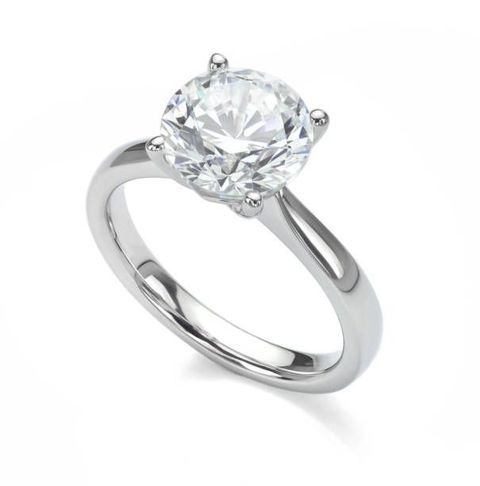
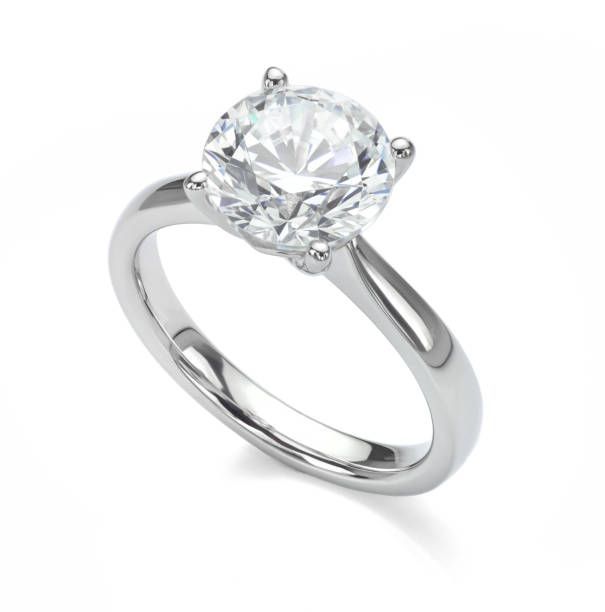
| Solitaire | Single main diamond | Classic, focused look |
| Halo | Center stone surrounded by smaller stones | Enhances perceived size and brilliance |
| Bezel | Metal rim around the diamond | Modern, protective design |
| Pavé | Small diamonds set along the band | Continuous sparkle |
Digital tools
-
Ring size guides from educational jewelry sites
-
Metal comparison charts explaining gold, platinum, and alloys
-
Light performance simulations used in gemology education
FAQs
What are the 4Cs of diamonds?
The 4Cs stand for cut, color, clarity, and carat weight. These four factors are used worldwide to describe and grade a diamond’s quality and appearance.
Are laboratory-grown diamonds real diamonds?
Yes. They have the same chemical composition (carbon) and crystal structure as natural diamonds. The difference lies in how they are formed: one in nature, the other in a laboratory.
Why do diamonds sparkle?
Diamonds sparkle due to their high refractive index and dispersion. Well-cut facets reflect and split light into bright flashes and small rainbow effects.
What is a diamond grading report?
It is a document from a gemological laboratory that describes a diamond’s measurable characteristics, including the 4Cs and sometimes diagrams of internal features.
Do all diamonds come from mines?
No. Some are mined from the Earth, while others are produced in laboratories using high-pressure, high-temperature (HPHT) or chemical vapor deposition (CVD) methods.
Conclusion
Diamond rings combine geology, craftsmanship, design, and cultural meaning. Learning about them involves understanding how diamonds form, how they are graded, and how ring settings influence appearance. Modern discussions also include traceability, environmental impact, and evolving international regulations.
As technology and consumer awareness grow, diamond rings are no longer viewed only as decorative objects. They are part of broader conversations about ethics, sustainability, and transparency. Clear education helps beginners interpret grading information, understand design options, and recognize the role of policies and standards in shaping the industry.
Disclaimer: This article is for educational and informational purposes only. It does not provide financial, legal, or professional advice. Regulations, grading practices, and industry trends may change over time, and readers should consult qualified experts or official sources for the most current information.