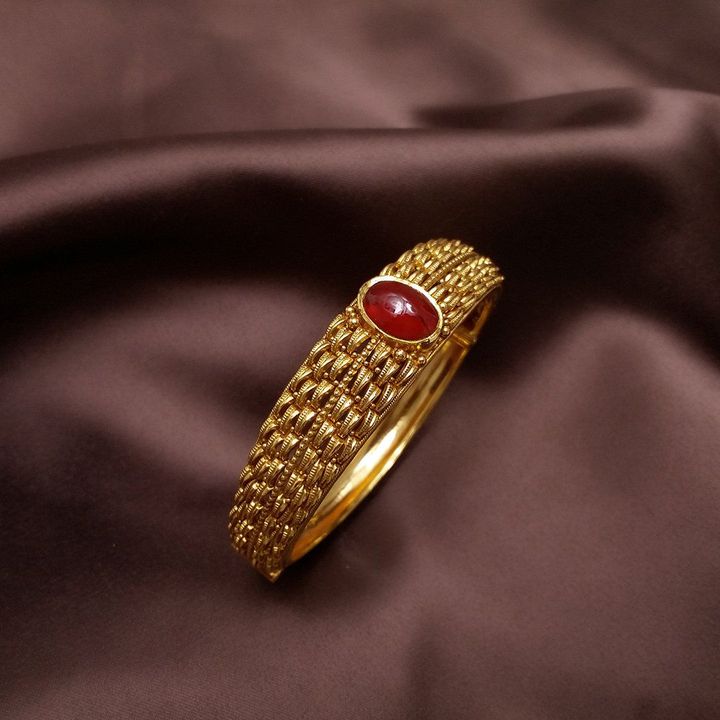
How to Choose the Perfect Gold Bracelet: Tips, Sizing, Quality & Design Insights.
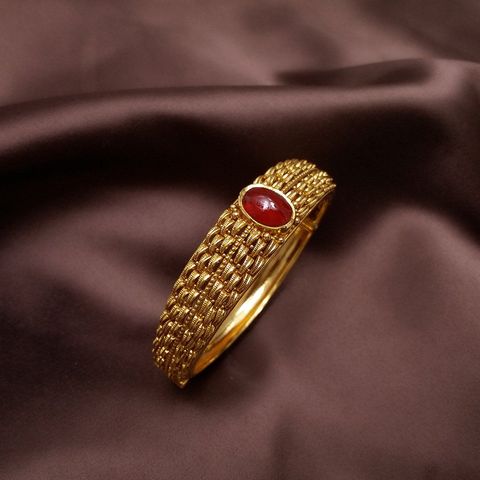
Gold bracelets are wrist ornaments made primarily from gold or gold alloys. They exist across cultures as decorative accessories, symbols of identity, and markers of craftsmanship. Historically, bracelets have represented status, tradition, or personal milestones. Today, they are worn for style, self-expression, and cultural meaning rather than solely for symbolism.
Gold used in bracelets is rarely pure. Because pure gold (24K) is soft, it is commonly mixed with other metals such as copper, silver, or zinc to improve strength. This process creates different gold purities and colors, including yellow, white, and rose gold.
Bracelet designs vary widely. Some are rigid, such as bangles or cuffs, while others are flexible chains with clasps. The wide range of styles and structures explains why choosing the right bracelet involves more than appearance. Fit, durability, and material quality all play a role.
Why Choosing the Right Gold Bracelet Matters
Selecting a well-suited bracelet affects comfort, safety, and long-term wear. A bracelet that is too tight may restrict movement, while one that is too loose can slip off. Poorly made clasps or weak links can lead to damage or loss.
This topic matters to a broad audience:
-
People with sensitive skin who must consider metal alloys
-
Individuals seeking long-lasting jewelry for everyday wear
-
Those interested in cultural or traditional jewelry
-
Gift givers who want correct sizing and appropriate styles
Understanding gold quality also helps avoid confusion about markings and purity levels. Many consumers struggle with differences between karats, gold-plated items, and solid gold alloys. Clear knowledge reduces misunderstandings and supports informed decisions.
Common problems this knowledge helps address include:
-
Incorrect wrist sizing
-
Confusion about gold purity labels
-
Choosing designs that do not match daily activities
-
Overlooking durability factors such as clasp type
Recent Developments and Trends in Gold Bracelet Selection
Jewelry preferences and manufacturing methods have continued to evolve. In 2025, several trends became more visible across global markets.
Sustainability awareness increased. Many manufacturers now emphasize recycled gold sources to reduce environmental impact. Industry discussions in 2025 highlighted traceability and responsible sourcing practices.
Minimalist designs gained attention. Thin chain bracelets, simple bangles, and geometric cuffs have been widely featured in fashion publications during 2025. These designs focus on everyday wear rather than heavy ornamentation.
Technology also plays a role. Virtual sizing tools and augmented reality try-on features have expanded through jewelry websites and mobile apps in the past year. These tools aim to reduce sizing errors and improve fit accuracy.
Personalization trends continued. Engraved plates, symbolic charms, and modular link systems were commonly discussed in 2025 jewelry trend reports, reflecting a shift toward individualized designs.
The table below summarizes current style directions.
| Trend Area | Description | Practical Impact |
|---|---|---|
| Sustainable Materials | Increased use of recycled gold | Environmental awareness |
| Minimalist Aesthetics | Slim chains, clean shapes | Comfortable daily wear |
| Digital Sizing Tools | Online wrist measurement guides | Improved fit accuracy |
| Personal Elements | Initials, symbols, modular charms | Personal expression |
Regulations and Quality Standards
Gold jewelry is affected by national and international standards designed to ensure accurate purity labeling and consumer protection.
Hallmarking systems are a key part of these regulations. A hallmark is an official stamp indicating metal purity. Requirements vary by country:
-
In India, Bureau of Indian Standards (BIS) hallmarking rules have expanded in recent years to include more districts and stricter compliance checks.
-
In the United Kingdom, hallmarking by approved assay offices is legally required for gold items above certain weight thresholds.
-
In many European countries, purity is expressed in parts per thousand, such as 750 for 18K gold.
Common purity equivalents are shown below.
| Karat (K) | Gold Content (%) | Typical Use |
|---|---|---|
| 24K | 99.9% | Soft, mostly ceremonial |
| 22K | 91.6% | Traditional jewelry |
| 18K | 75% | Balance of strength and purity |
| 14K | 58.5% | Durable daily wear |
Consumer protection laws in many countries also require clear disclosure if a bracelet is gold-plated or gold-filled rather than solid gold alloy. These rules aim to prevent misleading labeling.
Import and export regulations may also influence design and metal composition, especially regarding nickel content due to skin allergy concerns in certain regions.
Tools and Helpful Resources
Several practical tools can help with bracelet selection and understanding quality.
Wrist sizing resources
-
Printable wrist measurement charts
-
Flexible tape measures for circumference
-
Digital ring and bracelet sizing apps
Metal verification tools
-
Hallmark identification guides
-
Government standards websites explaining purity marks
-
Magnification tools to read small stamps
Design planning resources
-
Style comparison charts for bangles, chains, and cuffs
-
Skin tone and metal color matching guides
-
Activity-based design checklists for daily wear
Educational platforms
-
Jewelry education portals explaining karats and alloys
-
Consumer protection agency websites describing hallmarking rules
-
Fashion archives showing historical bracelet styles
These tools focus on knowledge and fit rather than promotion.
Common Questions About Gold Bracelets
What is the difference between karat and carat?
Karat (K) measures gold purity in jewelry. Carat (ct) measures gemstone weight. They are unrelated units.
How do I measure my wrist correctly?
Wrap a flexible tape measure around the wrist just above the wrist bone. Add a small allowance, usually 0.5 to 1.5 cm, depending on whether a snug or loose fit is preferred.
Is higher karat gold always better?
Higher karat gold contains more pure gold but is softer. Lower karat alloys are more resistant to scratches and bending, making them suitable for frequent wear.
Why do some gold bracelets change color slightly over time?
Alloy metals mixed with gold may react with moisture, skin oils, or environmental exposure. Proper cleaning and storage help maintain appearance.
What type of clasp is most secure?
Box clasps with safety latches, lobster clasps, and double-locking mechanisms are generally considered reliable for chain bracelets.
Key Factors to Compare When Choosing a Bracelet
| Factor | What to Check | Why It Matters |
|---|---|---|
| Size | Wrist circumference and allowance | Comfort and security |
| Purity | Hallmark and karat stamp | Material authenticity |
| Design | Flexible vs rigid structure | Movement and lifestyle |
| Clasp Type | Locking mechanism quality | Prevents accidental loss |
| Finish | Polished, matte, or textured surface | Affects appearance and maintenance |
Final Thoughts
Choosing a gold bracelet involves understanding materials, fit, design, and quality markings. While appearance is important, comfort, durability, and verified purity contribute equally to long-term satisfaction.
Recent shifts toward sustainable sourcing, digital sizing tools, and minimalist design show how traditional jewelry continues to adapt to modern expectations. Regulations and hallmarking systems remain essential for ensuring transparency and consistent standards.
By using reliable measurement methods, learning to read purity marks, and considering how a bracelet fits daily activities, individuals can approach gold bracelet selection with clarity and confidence.