Laminator Machines: A Complete Overview of Features and Uses
Laminator machines are devices designed to apply a protective layer of plastic film over documents, photographs, labels, packaging materials, and other printed surfaces. The lamination process helps improve durability, appearance, moisture resistance, and protection against wear and tear.
These machines are widely used in offices, educational institutions, printing facilities, packaging operations, manufacturing environments, and commercial documentation processes. By creating a sealed protective layer, laminator machines help preserve important materials for longer periods.
As industries increasingly focus on document security, product presentation, and material longevity, laminator machines continue to play an important role in modern workflows.
How Laminator Machines Work
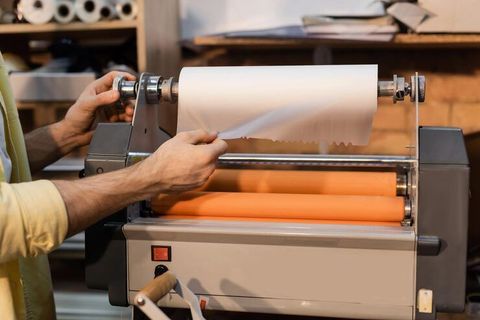
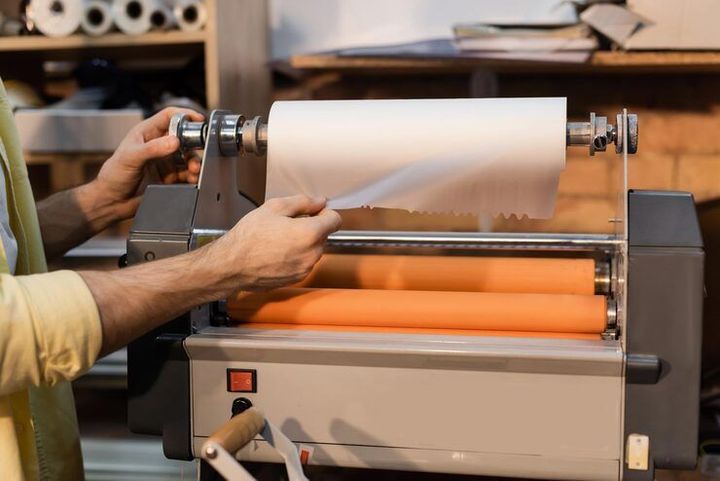
A laminator machine bonds a thin plastic film to the surface of a material. Depending on the machine type, this bonding occurs through heat, pressure, or adhesive technology.
The basic process typically includes:
- Feeding the document or material into the machine
- Aligning the laminating film
- Applying heat or pressure
- Bonding the film to the surface
- Trimming or finishing the laminated output if required
In thermal laminators, heated rollers melt adhesive coatings on laminating films. In cold laminators, pressure-sensitive adhesives attach the film without heat.
The result is a smooth, protected surface that enhances both appearance and durability.
Major Types of Laminator Machines
| Type | Working Method | Common Applications |
|---|---|---|
| Pouch Laminator | Uses pre-sealed laminating pouches and heat | Office documents, certificates |
| Roll Laminator | Uses continuous film rolls | Printing facilities, commercial operations |
| Thermal Laminator | Applies heat to activate adhesive | Educational and business materials |
| Cold Laminator | Uses pressure-sensitive adhesive | Heat-sensitive materials |
| Industrial Laminator | Handles large-scale production tasks | Packaging and manufacturing |
| Wide-Format Laminator | Supports large sheets and graphics | Signage and advertising materials |
Key Features of Modern Laminator Machines
Adjustable Temperature Controls
- Temperature settings allow operators to process different film thicknesses and material types efficiently.
- Many advanced machines provide speed adjustments to improve productivity and output quality.
- Modern systems often include mechanisms that reduce film jams and simplify material handling.
- Electronic interfaces help users monitor temperature, speed, and machine status more accurately.
- Newer designs focus on reducing power consumption while maintaining consistent performance.
- This feature helps achieve smooth and wrinkle-free lamination results.
Important Components of Laminator Machines
Rollers
- Rollers apply pressure and, in thermal systems, distribute heat evenly during lamination.
- Thermal laminators use heating systems to activate adhesive coatings.
- The film feed mechanism ensures continuous and accurate material delivery.
- Electronic controls manage operational parameters such as temperature, speed, and pressure.
- Many machines include emergency stop functions, overheating protection, and safety guards.
Why Laminator Machines Are Important
Laminator machines provide numerous benefits across professional and industrial environments.
Enhanced Document Protection
- Laminated materials become more resistant to moisture, dirt, fingerprints, and physical damage.
- Lamination can increase visual appeal by providing a glossy or matte finish.
- Protected surfaces remain readable and attractive for extended periods.
- Important documents, identification cards, instructional materials, and safety notices remain intact despite frequent handling.
- Packaging and printed products gain added strength during transportation and storage.
Common Applications Across Industries
Laminator machines support a wide range of sectors.
Education
- Student certificates
- Learning materials
- Classroom posters
- Reference charts
Corporate Offices
- Business presentations
- Identification cards
- Policy documents
- Training materials
Printing Industry
- Brochures
- Catalogs
- Book covers
- Promotional materials
Manufacturing
- Equipment labels
- Safety instructions
- Technical documentation
- Compliance materials
Packaging Industry
- Flexible packaging materials
- Product labels
- Protective packaging layers
- Branding applications
Healthcare
- Patient information sheets
- Medical identification cards
- Instruction charts
- Laboratory documentation
Problems Solved by Laminator Machines
Organizations often face challenges related to document preservation and material durability. Laminator machines address several of these issues.
Physical Wear
- Frequent handling can damage paper documents.
- Lamination creates a protective barrier.
- Water and humidity can affect printed materials.
- Laminated surfaces provide added resistance.
- Protective films help minimize scratches, stains, and environmental damage.
- Businesses often require durable and visually appealing materials for communication and packaging purposes.
- Automated laminating systems reduce manual finishing tasks and improve workflow consistency.
Recent Trends and Developments (2025–2026)
The laminating equipment sector has experienced several notable developments over the past year.
Smart Automation Integration
- Many manufacturers introduced laminators with advanced automation features, including digital monitoring systems and automated adjustment capabilities during 2025 and early 2026.
- Growing sustainability initiatives have encouraged the development of machines that consume less energy while maintaining productivity.
- The industry has seen increased adoption of recyclable and environmentally conscious laminating materials to reduce environmental impact.
- Industrial laminator systems are increasingly being connected to production monitoring platforms and manufacturing management systems.
- Advanced sensor technology now supports more accurate temperature regulation and film alignment.
- Manufacturers continue developing smaller machines suitable for limited workspace environments without sacrificing performance.
Regulations and Standards
Laminator machine usage may be influenced by workplace safety and manufacturing regulations depending on the application and region.
Occupational Safety Requirements
- Organizations should follow workplace equipment safety guidelines related to machine operation, maintenance, and employee training.
- Commercial laminator equipment typically follows national and international electrical safety requirements to reduce operational risks.
- Lamination used in packaging applications may need to align with packaging and labeling regulations relevant to specific industries.
- Many organizations are adopting recyclable films and waste-reduction practices to support sustainability objectives.
- Users should consult local regulatory authorities and applicable industry standards for specific compliance requirements.
Useful Tools and Learning Resources
Industry Publications
- Packaging industry journals
- Printing technology magazines
- Manufacturing automation publications
Technical Documentation
- Equipment manuals
- Maintenance guides
- Safety documentation
- Production workflow references
Professional Organizations
- Printing industry associations
- Packaging technology groups
- Manufacturing engineering organizations
Training Resources
- Equipment operation courses
- Industrial automation learning programs
- Workplace safety training modules
Digital Monitoring Platforms
- Production management software
- Industrial monitoring systems
- Equipment performance analytics tools
Frequently Asked Questions
What is the primary purpose of a laminator machine?
A laminator machine applies a protective plastic film to documents or materials, improving durability, appearance, and resistance to damage.
What is the difference between thermal and cold laminators?
Thermal laminators use heat to activate adhesive coatings, while cold laminators use pressure-sensitive adhesive films without heat.
Which industries commonly use laminator machines?
Education, printing, packaging, manufacturing, healthcare, retail, and corporate sectors frequently use laminator machines.
Can laminator machines handle large-format materials?
Yes. Wide-format and industrial laminators are specifically designed to process large graphics, posters, banners, and packaging materials.
Why are automated laminator machines becoming more popular?
Automation improves consistency, reduces manual intervention, increases productivity, and supports integration with modern manufacturing systems.
Conclusion
Laminator machines are essential tools for protecting, preserving, and enhancing printed materials across numerous industries. By applying durable protective films, these machines improve document longevity, strengthen packaging materials, and enhance visual presentation. Modern laminators offer advanced features such as digital controls, energy-efficient operation, automation capabilities, and improved precision.
As manufacturing, printing, packaging, and office environments continue to evolve, laminator machines remain valuable equipment for ensuring material durability, operational efficiency, and professional-quality results. Their ongoing development toward smarter, more sustainable, and highly automated solutions reflects the growing demand for reliable document and material protection in today's industrial and commercial environments.