Kylie Cosmetics: Explore the Brand, Products, and Beauty Industry Impact
Kylie Cosmetics is a globally recognized beauty brand founded by Kylie Jenner in 2015. The company became widely known through the launch of its signature Lip Kits, which quickly gained attention among makeup enthusiasts and beauty consumers. Over time, the brand expanded its portfolio to include a broad range of cosmetics and beauty-related products.
The purpose of Kylie Cosmetics is to provide makeup products designed to help individuals express personal style and creativity. The brand operates primarily through digital channels and has become an influential example of how modern beauty companies use social media, e-commerce, and brand identity to reach audiences worldwide.
How Kylie Cosmetics Is Structured
Kylie Cosmetics operates as a beauty and cosmetics brand offering products across multiple categories. The company focuses on product development, packaging design, marketing, digital engagement, and distribution.
Key Areas
Lip products
Face makeup
Eye makeup
Skincare-related collections
Limited-edition collaborations
Digital marketing and content creation
The brand's growth has been closely linked to online engagement, influencer marketing, and direct-to-consumer distribution models.
Major Product Categories
| Product Category | Purpose | Common Products |
|---|---|---|
| Lip Products | Enhance lip appearance | Lip Kits, Lip Gloss, Lip Liner |
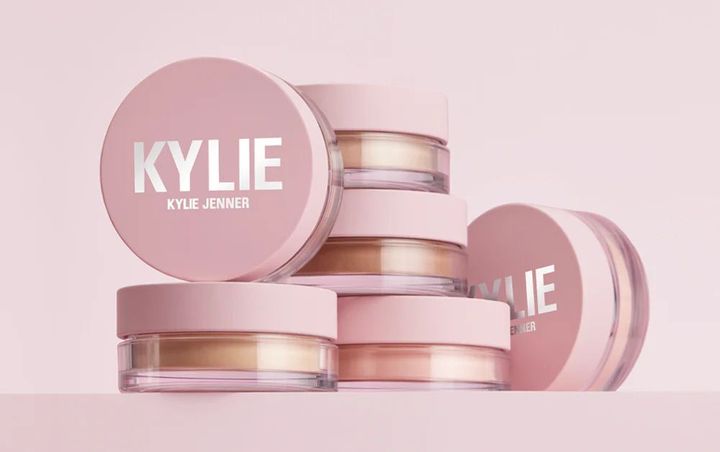
| Face Products | Create complexion coverage | Foundation, Concealer, Powder |
| Eye Products | Eye enhancement and definition | Eyeshadow, Eyeliner, Mascara |
| Cheek Products | Add color and contour | Blush, Bronzer, Highlighter |
| Skincare Collections | Support skincare routines | Cleansers, Moisturizers, Serums |
These categories allow consumers to build complete beauty routines using products from a single brand ecosystem.
Importance of Kylie Cosmetics in the Beauty Industry
Kylie Cosmetics is often discussed as an example of digital-first brand development. The company demonstrated how social media platforms can influence product launches, customer engagement, and brand awareness.
Several factors contributed to its significance:
Industry Contributions
Popularized influencer-led beauty branding
Accelerated direct-to-consumer cosmetics strategies
Increased digital engagement in beauty marketing
Encouraged limited-edition product launches
Expanded awareness of personalized beauty routines
The brand also influenced how beauty companies communicate with audiences through short-form content, live product demonstrations, and online communities.
Real-World Applications and Consumer Benefits
Cosmetics products serve a variety of practical and personal purposes. Kylie Cosmetics products are commonly used for:
Everyday Makeup
Daily beauty routines
Professional appearance enhancement
Personal style expression
Special Events
Weddings
Celebrations
Fashion events
Photography sessions
Content Creation
Social media tutorials
Beauty reviews
Makeup education
Digital content production
Creative Expression
Artistic makeup looks
Trend experimentation
Seasonal beauty styles
These applications demonstrate the broader role cosmetics play beyond appearance enhancement.
Challenges Addressed by Modern Beauty Brands
The cosmetics industry continues to evolve in response to changing consumer expectations.
Common Challenges
Product transparency
Ingredient awareness
Shade inclusivity
Sustainability concerns
Ethical sourcing practices
Digital customer engagement
Brands such as Kylie Cosmetics have adapted by increasing product information availability and improving communication with consumers through online platforms.
Key Features Associated with Kylie Cosmetics
Several characteristics distinguish the brand within the competitive cosmetics market.
Product Development
Trend-focused collections
Regular product launches
Seasonal releases
Collaboration-based collections
Digital Presence
Strong social media engagement
Online product showcases
Interactive marketing campaigns
Brand Identity
Recognizable packaging
Consistent visual branding
Celebrity-driven awareness
Global Reach
International customer base
Cross-market brand recognition
Digital accessibility
These features have helped maintain relevance in a rapidly changing beauty environment.
Recent Trends and Developments (2025–2026)
The beauty industry has experienced several important developments over the last year.
AI-Powered Beauty Experiences (2025)
Many beauty companies expanded the use of artificial intelligence for:
Virtual makeup try-on tools
Personalized recommendations
Skin analysis technologies
Digital beauty consultations
Sustainability Focus (2025–2026)
Growing consumer awareness has encouraged brands across the industry to emphasize:
Reduced packaging waste
Environmentally conscious materials
Responsible sourcing initiatives
Growth of Hybrid Beauty Products
Products combining cosmetic and skincare benefits have continued gaining popularity.
Examples include:
Hydrating foundations
Treatment-infused lip products
Skin-supportive makeup formulations
Increased Personalization
Beauty consumers increasingly seek products tailored to:
Skin tone
Skin type
Personal preferences
Individual beauty goals
These trends continue influencing product innovation throughout the cosmetics sector.
Regulations and Industry Standards
Cosmetics brands operate within regulatory frameworks designed to protect consumers.
Important Regulatory Areas
Ingredient disclosure requirements
Product safety assessments
Labeling standards
Manufacturing quality controls
Advertising compliance guidelines
Common Regulatory Authorities
U.S. Food and Drug Administration (FDA)
European Union cosmetic regulatory bodies
Health Canada
Various national consumer protection agencies
Manufacturers are generally expected to follow established safety and labeling requirements before products reach consumers.
Useful Tools and Learning Resources
Individuals interested in cosmetics and beauty industry knowledge can explore a variety of educational resources.
Learning Platforms
Beauty industry publications
Cosmetic science courses
Makeup education programs
Digital beauty communities
Professional Tools
Virtual makeup simulators
Color-matching applications
Ingredient analysis databases
Beauty trend monitoring platforms
Research Resources
Regulatory agency websites
Cosmetic ingredient databases
Industry reports
Academic publications on cosmetic science
These resources help consumers and professionals better understand beauty products and industry developments.
Future Outlook
The cosmetics sector is expected to continue evolving through technology, personalization, and sustainability initiatives.
Future developments may include:
Emerging Directions
AI-assisted product recommendations
Enhanced virtual beauty experiences
Advanced ingredient research
Sustainable packaging innovations
Greater customization options
Brands that successfully combine innovation, transparency, and consumer engagement are likely to remain competitive in the global beauty marketplace.
What is Kylie Cosmetics known for?
Kylie Cosmetics is best known for its Lip Kits and for being founded by Kylie Jenner. The brand later expanded into multiple makeup and beauty product categories.
When was Kylie Cosmetics launched?
Kylie Cosmetics was launched in 2015 and quickly gained recognition through its online-focused product releases.
What types of products does Kylie Cosmetics produce?
The brand produces lip products, face makeup, eye makeup, cheek products, and beauty-related collections.
Why is Kylie Cosmetics considered influential?
The company helped demonstrate how social media and direct-to-consumer strategies can significantly influence beauty brand growth and consumer engagement.
How has technology influenced the beauty industry?
Technology has enabled virtual try-on tools, AI-driven recommendations, personalized beauty experiences, and improved digital shopping experiences.
Conclusion
Kylie Cosmetics represents an important example of modern beauty brand development in the digital era. Since its launch in 2015, the company has expanded beyond its original Lip Kit concept into a broader cosmetics portfolio. Its influence extends beyond products, highlighting the growing importance of social media engagement, digital marketing, personalization, and innovation within the beauty industry.
As consumer expectations continue to evolve, beauty brands are increasingly focusing on transparency, sustainability, technology integration, and customized experiences. Kylie Cosmetics remains a notable case study in how cosmetics companies adapt to changing market trends while maintaining strong brand recognition in a highly competitive global industry.