Fentybeauty Explore Modern Beauty Innovation and Inclusive Cosmetics
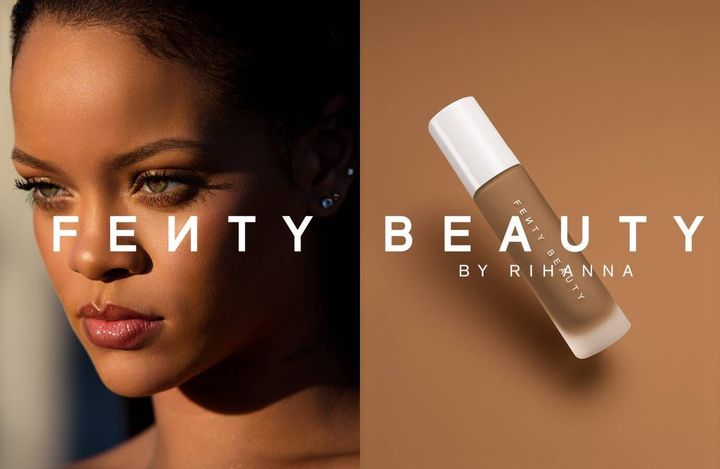
Fentybeauty is a globally recognized beauty brand known for its emphasis on inclusivity, product innovation, and broad shade diversity. Since its introduction, the brand has influenced discussions around representation in the cosmetics industry and encouraged many beauty companies to expand product ranges to accommodate a wider variety of skin tones and consumer needs.
The brand operates across several beauty categories, including complexion products, lip products, eye cosmetics, skincare-related beauty items, and beauty tools. Its approach combines product development, consumer feedback, digital engagement, and modern marketing strategies to create products designed for diverse audiences.
As the beauty industry continues to evolve through technology, sustainability initiatives, and changing consumer expectations, Fentybeauty remains an important example of how innovation can reshape market standards.
How Fentybeauty Is Structured
Fentybeauty functions as a beauty and cosmetics brand that develops products through research, formulation testing, consumer studies, and market analysis.
The brand's structure generally includes:
Core Components
- Product research and development
- Cosmetic formulation and testing
- Shade and texture development
- Packaging design
- Digital marketing and education
- Consumer engagement channels
- Distribution partnerships
- Sustainability initiatives
This structure enables the brand to respond to changing consumer preferences while maintaining consistency across product categories.
Major Product Categories
Fentybeauty offers products across several cosmetic segments that address different beauty routines and preferences.
| Category | Purpose | Common Products |
|---|---|---|
| Complexion | Skin tone enhancement and coverage | Foundation, concealer, powder |
| Lip Products | Color and hydration | Lipsticks, glosses, lip treatments |
| Eye Cosmetics | Eye definition and creativity | Eyeliners, eyeshadows, mascaras |
| Face Enhancement | Dimension and glow | Highlighters, bronzers, blushes |
| Beauty Tools | Application support | Brushes, sponges, applicators |
| Limited Collections | Seasonal creativity | Special edition releases |
The diversity of these categories allows consumers to create personalized beauty routines based on their preferences and needs.
Why Fentybeauty Became Important
The beauty industry historically faced criticism regarding limited shade ranges and representation. Fentybeauty became notable because it demonstrated that broad inclusivity could be integrated into mainstream product development.
Key Contributions
- Expanded shade diversity awareness
- Increased focus on inclusive product testing
- Encouraged industry-wide innovation
- Improved representation across marketing campaigns
- Promoted accessibility in beauty education
- Influenced cosmetic product development strategies
These developments contributed to broader discussions regarding inclusivity and consumer-centered design within the cosmetics sector.
How Product Development Works
Modern cosmetic development involves multiple stages before products reach consumers.
Development Process
- Market research and trend analysis
- Ingredient selection
- Laboratory formulation
- Safety assessments
- Performance testing
- Packaging evaluation
- Consumer feedback collection
- Final manufacturing preparation
Beauty brands increasingly use data-driven decision-making to understand consumer preferences and improve product performance.
Technology in Modern Beauty Brands
Technology plays a significant role in the cosmetics industry. Digital tools help brands improve product development, consumer education, and shopping experiences.
Technologies Commonly Used
- Artificial intelligence beauty analysis
- Virtual makeup visualization
- Consumer behavior analytics
- Digital shade matching
- Product recommendation systems
- E-commerce optimization platforms
- Customer relationship management software
These technologies help brands better understand consumer needs and deliver more personalized experiences.
Real-World Applications
Beauty products serve practical, creative, and professional purposes across many environments.
Common Use Cases
- Daily personal grooming
- Professional makeup artistry
- Photography and media production
- Fashion and entertainment industries
- Educational beauty training
- Special events and celebrations
- Content creation and social media
The versatility of cosmetic products makes them relevant across various professional and personal settings.
Industry Trends During 2025–2026
The beauty industry experienced several significant developments over the past year.
Recent Trends
- Increased demand for multifunctional beauty products
- Greater emphasis on sustainability and packaging reduction
- Growth of AI-powered beauty recommendations
- Expansion of personalized cosmetic experiences
- Rising interest in ingredient transparency
- Enhanced digital beauty education platforms
- Greater focus on skin-health-oriented cosmetics
Notable Developments
2025
- Beauty companies expanded AI-assisted shade matching technologies.
- Sustainability reporting became more common across global cosmetics brands.
- Consumer demand increased for products combining skincare and makeup benefits.
2026
- Personalized beauty experiences continue gaining attention.
- Data-driven cosmetic development is becoming increasingly sophisticated.
- Digital beauty communities are influencing product innovation more rapidly than traditional research methods.
These developments illustrate how technology and consumer expectations continue shaping the cosmetics sector.
Regulations and Industry Standards
Beauty brands operate within regulatory frameworks designed to support consumer safety and product transparency.
Common Regulatory Areas
- Ingredient disclosure requirements
- Product safety testing standards
- Manufacturing quality controls
- Labeling regulations
- Advertising compliance requirements
- Environmental packaging guidelines
Important Compliance Considerations
- Accurate ingredient listings
- Consumer safety documentation
- Manufacturing consistency standards
- Responsible advertising practices
- Product traceability systems
Regulatory expectations vary across countries, making compliance an important part of global beauty brand operations.
Benefits of Inclusive Beauty Development
Inclusive beauty development extends beyond marketing and influences actual product performance and accessibility.
Advantages
- Broader consumer representation
- Improved product accessibility
- Enhanced consumer satisfaction
- Greater market understanding
- Increased innovation opportunities
- Better alignment with diverse consumer needs
The industry increasingly recognizes inclusivity as both a social and product-development consideration.
Useful Tools and Learning Resources
Individuals interested in beauty product development, cosmetic science, and industry trends can explore various educational resources.
Learning Resources
- Cosmetic science publications
- Beauty industry research reports
- Ingredient databases
- Product formulation guides
- Consumer trend analysis platforms
- Sustainability reporting resources
Professional Development Tools
- Shade matching software
- Beauty analytics platforms
- Product testing frameworks
- Cosmetic formulation databases
- Consumer research platforms
- Digital marketing analytics tools
These resources help professionals and enthusiasts better understand modern beauty industry practices.
Challenges Facing the Beauty Industry
Despite substantial innovation, the beauty industry continues to address several ongoing challenges.
Key Challenges
- Sustainable packaging implementation
- Supply chain transparency
- Ingredient sourcing standards
- Regulatory compliance across regions
- Consumer expectation management
- Environmental impact reduction
- Rapid trend adaptation
Addressing these challenges requires collaboration among manufacturers, researchers, regulators, and consumers.
Future Outlook
The future of beauty brands such as Fentybeauty will likely be influenced by technological innovation, sustainability initiatives, and evolving consumer expectations.
Expected Developments
- Advanced AI beauty personalization
- More sustainable packaging solutions
- Enhanced ingredient transparency
- Improved digital education experiences
- Greater integration of skincare and cosmetics
- Expanded accessibility initiatives
- Data-driven product innovation
These trends suggest continued transformation within the cosmetics industry over the coming years.
FAQs
What is Fentybeauty known for?
Fentybeauty is widely recognized for promoting inclusivity in cosmetics, particularly through extensive shade diversity and broad consumer representation.
What types of products are associated with Fentybeauty?
The brand includes complexion products, lip products, eye cosmetics, face enhancement products, and beauty tools.
Why is inclusivity important in beauty products?
Inclusivity helps ensure that products are designed to meet the needs of diverse consumers with different skin tones, preferences, and beauty goals.
How does technology influence modern beauty brands?
Technology supports product development, virtual product visualization, shade matching, consumer analytics, and personalized beauty experiences.
What trends are shaping the beauty industry in 2026?
Key trends include AI-powered personalization, sustainability initiatives, ingredient transparency, multifunctional beauty products, and digital consumer engagement.
Conclusion
Fentybeauty represents a significant example of innovation within the modern cosmetics industry. Through its focus on inclusivity, broad product development strategies, and consumer-centered design, the brand has influenced industry standards and encouraged broader conversations about representation in beauty.
As technology, sustainability efforts, and consumer expectations continue evolving, beauty brands are increasingly adopting data-driven approaches, advanced product development methods, and transparent practices. Understanding how brands like Fentybeauty operate provides valuable insight into the broader transformation of the global beauty industry and the future direction of cosmetics innovation.