Key Factors to Consider When Choosing Industrial Chemical Suppliers
Industrial chemical suppliers support manufacturing, agriculture, construction, pharmaceuticals, water treatment and other industrial sectors. They provide chemical materials used in production processes, product formulation, cleaning, processing and equipment maintenance. Industrial chemicals are available in different grades and formulations depending on their intended applications. Understanding chemical categories, safety requirements and quality specifications helps businesses evaluate suppliers and select suitable materials.
1. Understanding Industrial Chemical Supplier
Industrial chemical suppliers provide chemical substances, mixtures and specialised formulations used across different industries. Their products may include acids, alkalis, solvents, salts, industrial gases, surfactants, additives and treatment chemicals.
Chemical suppliers may operate as distributors, importers, manufacturers or specialised formulation companies. Some handle general-purpose chemicals in bulk quantities, while others focus on products designed for particular industrial processes.
Chemical manufacturers produce chemicals through processes such as synthesis, extraction, refining, blending and formulation. Depending on the product, manufacturing may involve chemical reactions, purification, concentration or controlled mixing.
Businesses generally evaluate chemicals according to purity, concentration, grade, physical properties, compatibility and intended application. Product documentation is also important because similar chemical names may refer to different grades or formulations.
2. Importance of Industrial Chemicals
Industrial chemicals are essential inputs in many production and infrastructure activities. They help transform raw materials, improve product characteristics, maintain equipment and support specialised manufacturing processes.
Several industries depend on these materials:
Manufacturing: Chemicals are used in metal treatment, surface finishing, adhesives, coatings and production processes.
Agriculture: Fertiliser ingredients and crop-protection formulations support agricultural activities.
Pharmaceuticals: Chemical intermediates and reagents are used in research and manufacturing.
Water treatment: Treatment chemicals help manage pH, remove impurities and support water processing.
Construction: Additives, sealants, coatings and concrete admixtures are used in building projects.
Textiles: Dyes, pigments and finishing chemicals support fabric processing.
The correct chemical grade can influence process consistency, product quality and workplace safety. Using an unsuitable substance or concentration may affect equipment, finished products and the surrounding environment.
3. Recent Developments in the Chemical Industry
The chemical industry has continued to change during 2024–2026. Manufacturers are responding to evolving supply chains, demand for specialised formulations, environmental considerations and increased attention to product quality.
Important developments include:
Specialty chemical development: Demand across electronics, construction, water treatment and personal care is encouraging the development of application-specific formulations.
Supply-chain diversification: Manufacturers are reviewing sourcing arrangements to improve supply continuity and manage dependence on particular raw materials.
Process automation: Digital monitoring and automated production systems support process control, batch consistency and operational monitoring.
Sustainability initiatives: Chemical companies are examining resource efficiency, waste reduction and lower-impact production methods.
Quality tracking: Digital documentation and batch records help improve product traceability.
Domestic manufacturing: India's chemical sector is receiving attention as businesses assess production capacity and participation in global supply chains.
These trends differ across chemical categories. A development relevant to bulk industrial chemicals may not apply in the same way to pharmaceutical ingredients or specialised formulations.
4. Indian Regulations and Compliance
Chemical manufacturing, storage, transportation, import and use in India are subject to several laws and regulatory requirements. The applicable rules depend on the chemical's properties, quantity, intended use and business activity.
Important considerations include:
Environment (Protection) Act, 1986: Provides the central framework for environmental protection and related rules.
Manufacture, Storage and Import of Hazardous Chemical Rules, 1989: Establish requirements for specified hazardous chemicals, including safety information and site-related responsibilities.
Chemical Accidents Rules, 1996: Address emergency planning, preparedness and response for chemical accidents.
Factories Act, 1948 and applicable state rules: Include workplace health and safety provisions for covered industrial establishments, alongside applicable occupational safety legislation.
BIS Quality Control Orders: Certain notified chemicals must meet applicable Indian Standards and certification requirements.
Hazardous and Other Wastes Rules, 2016: Govern specified categories of hazardous and other waste, including relevant handling and disposal requirements.
Businesses should maintain appropriate safety data sheets, chemical inventories, labelling, storage procedures and emergency arrangements. They should also verify current requirements with the relevant authorities because regulations and implementation dates may change.
5. Types of Industrial Chemicals
Industrial chemicals can be grouped according to their composition, function and application. The following table presents common categories.
| Chemical category | Main purpose | Common applications |
|---|---|---|
| Acids and alkalis | Chemical processing and pH adjustment | Metal treatment and water treatment |
| Industrial solvents | Dissolving or removing substances | Cleaning, coatings and manufacturing |
| Surfactants | Supporting cleaning, wetting and emulsification | Detergents and industrial processing |
| Water treatment chemicals | Managing impurities and water quality | Wastewater and process water treatment |
| Adhesives and sealants | Joining or sealing materials | Construction and manufacturing |
| Dyes and pigments | Providing colour and surface characteristics | Textiles, coatings and plastics |
| Corrosion inhibitors | Reducing corrosion under specified conditions | Industrial systems and equipment |
Industrial Chemicals
Industrial chemicals include a broad range of substances used in manufacturing and processing. Examples include sodium hydroxide, hydrochloric acid, sulphuric acid, solvents and various inorganic salts.
Selection depends on chemical concentration, purity, compatibility, temperature conditions and process requirements. Businesses should also consider storage conditions, handling risks and the effect of the chemical on equipment and finished materials.
Chemical Suppliers
Chemical suppliers may distribute products from multiple manufacturers or specialise in selected chemical categories. Their role can include product identification, packaging coordination, batch documentation and delivery planning.
When evaluating suppliers, businesses should review product specifications, safety data sheets, certificates of analysis, packaging details and batch traceability. They should also confirm that the supplied material matches the grade and concentration required for the process.
Chemical Manufacturers
Chemical manufacturers produce raw chemicals, intermediates and formulated products. Their operations may involve reactors, distillation systems, filtration, blending, drying and quality-control laboratories.
Manufacturing requirements vary depending on the product. Buyers assessing chemical manufacturers should understand the production specification, quality-control process, batch consistency and relevant regulatory approvals.
Wholesale Chemicals
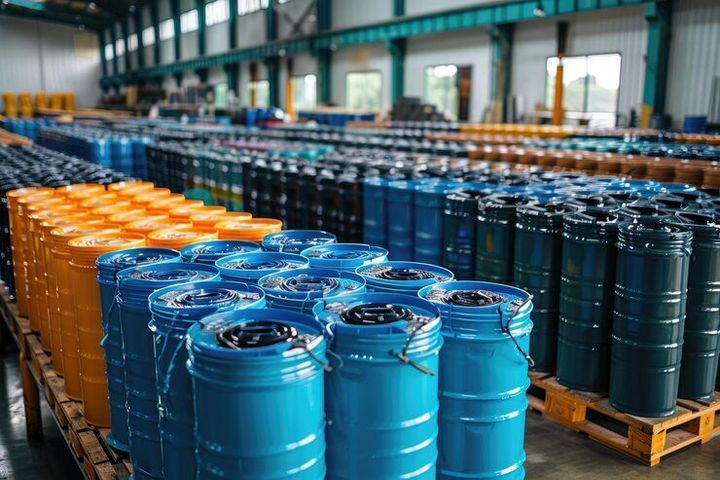
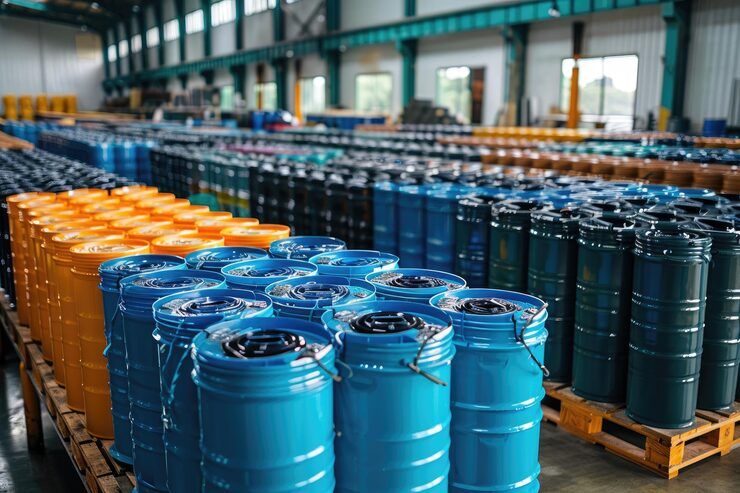
Wholesale chemicals generally refers to industrial chemicals supplied in larger quantities for manufacturing, processing and institutional use. Products may be delivered in drums, bags, intermediate bulk containers or tankers, depending on their physical form and hazard classification.
Businesses should evaluate packaging compatibility, transport arrangements, storage capacity, minimum order quantities and shelf life. Bulk handling also requires appropriate equipment and trained personnel.
Specialty Chemicals
Specialty chemicals are designed to provide specific functions or performance characteristics rather than serving only as general-purpose raw materials. Examples include water treatment formulations, polymer additives, electronic chemicals, textile auxiliaries, construction additives and performance coatings.
Their suitability often depends on precise formulation, application conditions and compatibility with other materials. Buyers should review technical data, recommended dosage or concentration, performance testing and safety information before use.
6. Tools and Resources for Chemical Selection
Businesses can use several technical documents and systems to evaluate industrial chemicals and manage chemical-related risks.
Safety Data Sheets (SDS): Explain hazards, handling, storage, first aid and emergency procedures.
Technical Data Sheets (TDS): Describe product characteristics, specifications and recommended applications.
Certificates of Analysis (COA): Provide batch-specific test results against defined quality parameters.
Chemical compatibility charts: Help assess whether chemicals are suitable for contact with particular materials.
Inventory management systems: Track quantities, batch numbers, storage locations and expiry dates.
Laboratory testing: Helps verify purity, concentration and other relevant chemical properties.
Chemical selection should involve qualified technical and safety personnel where the material presents significant handling or process risks.
7. Frequently Asked Questions
1. What are industrial chemicals?
Industrial chemicals are substances or formulations used in manufacturing, processing, cleaning, water treatment, construction and other industrial activities.
2. What should businesses check when evaluating chemical suppliers?
They should review product specifications, purity, concentration, safety data sheets, certificates of analysis, packaging and batch traceability.
3. What is the difference between chemical suppliers and chemical manufacturers?
Chemical manufacturers produce chemicals or formulations, while suppliers may manufacture, distribute, import or coordinate the delivery of chemical products.
4. What are specialty chemicals used for?
Specialty chemicals provide specific functions in applications such as water treatment, coatings, construction, textiles, electronics and personal care.
5. What documents should accompany industrial chemicals?
Depending on the product and applicable requirements, important documents may include a safety data sheet, technical data sheet, certificate of analysis, product label and transport-related documentation.
8. Conclusion
Industrial chemical suppliers support a wide range of industries by providing raw chemicals, formulated products and specialised materials. Industrial chemicals differ in composition, grade, concentration and intended application. Understanding the role of chemical manufacturers, wholesale chemicals and specialty chemicals helps businesses assess their material requirements. Reviewing technical documents, safety procedures and applicable Indian regulations supports responsible chemical sourcing and handling.