How to Find New and Innovative Products in China
China has become an important destination for businesses looking to discover new products, explore manufacturing opportunities, and connect with wholesale suppliers. Its manufacturing ecosystem covers a wide range of industries, including electronics, home appliances, fashion, beauty accessories, industrial equipment, furniture, packaging, and consumer goods.
Businesses looking to find new products in China often explore different manufacturing regions, wholesale marketplaces, trade exhibitions, and factory networks. These channels help importers, retailers, distributors, and e-commerce entrepreneurs identify emerging product categories and evaluate potential manufacturing partners.
China product sourcing involves more than simply identifying an interesting item. It also requires understanding market demand, product specifications, supplier reliability, manufacturing capabilities, shipping requirements, and applicable import regulations.
Why Finding New Products in China Matters
Product discovery plays an important role in business planning and supply chain development. Identifying suitable products can help businesses expand their product categories, respond to changing customer preferences, and explore different manufacturing opportunities.
Some important reasons businesses research Chinese products include:
Product variety: Access to a wide range of consumer and industrial product categories.
Manufacturing capabilities: Different factories specialize in particular materials, technologies, and production processes.
Customization options: Many manufacturers provide OEM and ODM production arrangements.
Wholesale opportunities: Businesses can compare different product specifications and supplier arrangements.
Product innovation: Manufacturing clusters regularly introduce updated designs and production technologies.
Supply chain development: Businesses can evaluate suppliers, manufacturers, and logistics partners within established industrial regions.
For international buyers, China wholesale suppliers can provide access to multiple product categories through established manufacturing and distribution networks.
Best Product Categories to Explore in China
Understanding popular product categories is a useful starting point when researching new products from China.
1. Consumer Electronics and Accessories
Consumer electronics remain an important category for international product sourcing. Shenzhen and the wider Pearl River Delta are known for their electronics manufacturing ecosystems.
Products worth researching include:
Mobile phone accessories.
Computer peripherals.
Charging accessories.
Wireless audio equipment.
Smart home devices.
Electronic components.
LED lighting products.
Portable electronic accessories.
Businesses evaluating Chinese electronics manufacturers should review product specifications, battery safety, electrical certifications, warranty requirements, and intellectual property considerations.
2. Home and Kitchen Products
Home and kitchen products cover a broad range of everyday consumer needs.
Potential product categories include:
Kitchen storage organizers.
Food preparation accessories.
Home cleaning equipment.
Smart lighting products.
Furniture accessories.
Bathroom organizers.
Household storage systems.
Decorative home products.
When exploring wholesale products from China, businesses should consider material quality, packaging, durability, and product safety requirements.
3. Beauty and Personal Care Accessories
Beauty and personal care accessories represent another category worth researching.
Examples include:
Hair styling accessories.
Cosmetic storage organizers.
Makeup brushes.
Personal grooming tools.
Beauty packaging products.
Nail care accessories.
Skincare applicators.
For products involving cosmetics, electrical components, or skin-contact materials, buyers should examine applicable safety and regulatory requirements before importing.
4. Fashion and Lifestyle Products
China has established manufacturing networks for textiles, apparel, bags, and fashion accessories.
Potential categories include:
Travel bags.
Fashion accessories.
Sportswear.
Casual clothing.
Wallets.
Footwear.
Textile products.
Customized fabric accessories.
Businesses should evaluate fabric specifications, sizing consistency, material quality, labeling, and production samples.
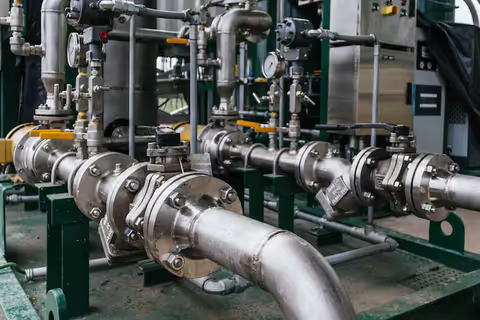
5. Industrial and Manufacturing Products
China also has extensive manufacturing capabilities in industrial equipment and components.
Products to research include:
Industrial valves.
Electric motors.
Automation components.
Packaging machinery.
Conveyor systems.
Pneumatic equipment.
Hydraulic components.
Industrial sensors.
Industrial buyers should evaluate technical specifications, quality certifications, operating conditions, spare parts availability, and compatibility with existing machinery.
Where to Find New Products in China
Finding new products requires exploring several discovery channels instead of relying on one marketplace.
1. B2B Wholesale Marketplaces
Online wholesale marketplaces allow buyers to explore different product categories, compare supplier information, and review manufacturing options.
Some commonly used platforms include:
Alibaba.com
Made-in-China.com
Global Sources
1688.com
These platforms provide access to product listings, supplier profiles, manufacturing information, and communication tools.
However, an online listing does not automatically establish that a supplier is a manufacturer or that a product meets the buyer's requirements. Independent verification remains important.
2. Canton Fair and Other Trade Exhibitions
Trade exhibitions provide opportunities to explore product innovations, review physical samples, and communicate directly with exhibitors.
The Canton Fair is one of China's major international trade exhibitions. It covers multiple product categories, including electronics, household products, machinery, textiles, and consumer goods.
Industry-specific exhibitions can also help buyers discover specialized products and manufacturing technologies.
3. Wholesale Markets in China
Physical wholesale markets are useful for exploring existing product collections, comparing designs, and understanding product availability.
Some well-known locations include:
Yiwu: Known for small commodities, accessories, gifts, household products, and general merchandise.
Guangzhou: Known for apparel, fashion accessories, electronics markets, and wholesale distribution.
Shenzhen: An important location for electronics, components, smart devices, and technology-related products.
Foshan: Known for furniture, building materials, ceramics, and related manufacturing industries.
4. Direct Factory Research
Businesses looking for specialized or customized products can research factories directly.
Factory research helps buyers understand:
Production capabilities.
Available manufacturing processes.
Minimum order requirements.
Product customization.
Quality inspection procedures.
Manufacturing lead times.
Export documentation.
Direct communication can also help determine whether a supplier has experience with the intended product category.
5. Social Media and Product Trend Research
Social media platforms can help identify products receiving attention from consumers.
Short-form product videos, customer discussions, online reviews, and category-specific communities can reveal changing preferences.
However, popularity on social media does not necessarily indicate sustainable demand. Buyers should compare these observations with marketplace data, competitor research, and actual customer requirements.
How to Identify Trending Products in China
Identifying trending products requires a structured research process.
Study Market Demand
Research customer interests, search trends, marketplace rankings, and category performance.
Look for products that solve practical problems or serve a clearly defined customer group.
Evaluate Competition
Examine competing products, product differentiation, customer reviews, and existing market alternatives.
A category with strong interest may also have significant competition.
Research Manufacturing Capabilities
Identify manufacturers with relevant production experience, suitable equipment, and the ability to meet technical requirements.
Compare Product Specifications
Review materials, dimensions, functionality, packaging, and quality requirements.
Products that look similar online may have significant differences in construction and performance.
Calculate Total Landed Cost
The factory quotation is only one part of the financial calculation.
Consider:
Product purchase amount.
Packaging and labeling.
Quality inspections.
International freight.
Customs duties and taxes.
Insurance and handling.
Local transportation.
Applicable regulatory expenses.
This calculation helps businesses evaluate whether a product is commercially viable in the destination market.
How to Find Reliable Chinese Manufacturers and Suppliers
Supplier verification is one of the most important stages of China product sourcing.
Before entering into a manufacturing agreement, consider the following factors.
Business Registration
Review the supplier's registered company information, business address, and operating details.
Manufacturing Experience
Determine whether the company manufactures the product directly or operates as a trading company.
Both may have legitimate business models, but their capabilities and responsibilities can differ.
Product Samples
Request samples to evaluate materials, dimensions, functionality, packaging, and workmanship.
Quality Management
Review available quality-management systems, inspection reports, testing procedures, and relevant product certifications.
Communication
Evaluate how clearly the supplier responds to technical questions, documentation requests, and production requirements.
Payment and Contract Terms
Document product specifications, payment arrangements, delivery responsibilities, inspection conditions, and dispute-resolution provisions.
Avoid making large commitments before completing appropriate supplier and product verification.
Understanding OEM and ODM Manufacturing in China
OEM and ODM manufacturing are common arrangements in international product development.
What Is OEM Manufacturing?
Original Equipment Manufacturing involves producing products according to specifications, designs, or requirements provided by the buyer.
It can be useful for businesses that have an established product design and need a manufacturing partner.
What Is ODM Manufacturing?
Original Design Manufacturing involves a manufacturer developing or providing an existing product design that can be adapted for a buyer's requirements.
Depending on the agreement, customization may include branding, packaging, materials, and product features.
Differences Between OEM and ODM
OEM generally involves buyer-defined product specifications, while ODM involves manufacturer-developed designs.
Businesses should clarify ownership of designs, tooling, intellectual property, quality responsibilities, and customization rights before entering into an agreement.
Importing Products from China: Important Considerations
Importing products from China involves commercial, regulatory, and logistical requirements.
Understand Import Regulations
Requirements depend on the destination country and the product category.
For example, Indian importers should review applicable DGFT requirements, customs procedures, product-specific standards, and relevant BIS requirements.
Certain electronics, wireless devices, toys, electrical products, and other regulated categories may require additional approvals or testing.
Review Shipping Methods
Common international transportation options include:
Sea freight for larger commercial shipments.
Air freight for suitable time-sensitive shipments.
Express courier for smaller consignments and samples.
Rail freight on selected international trade routes.
The appropriate method depends on shipment size, delivery requirements, product characteristics, and destination.
Check Product Documentation
Depending on the transaction, relevant documents may include commercial invoices, packing lists, shipping documents, certificates of origin, and product-specific compliance records.
Conduct Quality Inspections
Pre-production, during-production, and pre-shipment inspections can help identify quality problems before products reach their destination.
China Product Sourcing Trends in 2026
Product sourcing practices continue to evolve as businesses adopt digital research tools, automated procurement processes, and more detailed supplier verification methods.
Growing Interest in Smart Products
Smart home devices, electronic accessories, connected equipment, and automation products remain important categories for product research.
More Focus on Supplier Verification
Importers increasingly evaluate business registration, product documentation, factory capabilities, and quality-control processes before selecting suppliers.
AI-Assisted Product Discovery
Artificial intelligence tools can help buyers organize product research, compare product descriptions, identify category trends, and prepare supplier questions.
However, AI-generated information should be checked against reliable market and supplier data.
Flexible Manufacturing Arrangements
Some manufacturers are adapting production arrangements to serve smaller businesses and customized product requirements.
Buyers should confirm minimum order quantities and customization capabilities directly with each manufacturer.
Greater Attention to Compliance
Product safety, labeling, traceability, environmental requirements, and international trade regulations are becoming important parts of supplier evaluation.
Tools and Resources for Finding New Products in China
Several research tools and resources can support product discovery and sourcing decisions.
Google Trends: Explore changes in search interest for different product categories.
Google Keyword Planner: Research search demand and advertising keyword estimates.
Alibaba.com: Explore product listings and supplier information.
Made-in-China.com: Research Chinese manufacturers and industrial products.
Global Sources: Explore international supplier and product categories.
1688.com: Research China's domestic wholesale marketplace.
Trade exhibition directories: Identify relevant manufacturing exhibitions and exhibitors.
Customs and trade databases: Research product classification and international trade requirements.
Using multiple resources can provide a broader understanding of product demand, manufacturing capabilities, and supplier availability.
Frequently Asked Questions
1. How can I find new products in China?
You can explore B2B marketplaces, trade exhibitions, wholesale markets, factory networks, social media trends, and industry research platforms. Comparing several sources helps identify products that match your business requirements.
2. Which products are popular to source from China?
Commonly researched categories include consumer electronics accessories, home and kitchen products, fashion accessories, beauty tools, industrial components, packaging materials, and household products.
Popularity varies by destination market, season, competition, and customer preferences.
3. Where can I find reliable Chinese manufacturers?
You can research manufacturers through Alibaba.com, Made-in-China.com, Global Sources, trade exhibitions, and direct factory networks. Always verify business registration, production capabilities, product samples, and relevant documentation.
4. What is the difference between a Chinese manufacturer and a trading company?
A manufacturer produces goods directly, while a trading company typically coordinates product procurement from one or more factories. Both can participate in international trade, but buyers should understand the actual production and quality-control arrangements.
5. What should I check before importing products from China?
Check product specifications, supplier credibility, sample quality, manufacturing requirements, shipping arrangements, customs duties, product certifications, and destination-country regulations.
6. Is China suitable for OEM and ODM manufacturing?
China has established manufacturing ecosystems across electronics, textiles, machinery, household goods, and other industries. OEM and ODM suitability depends on the product category, factory capabilities, intellectual property arrangements, and production requirements.
Conclusion
Finding new products in China involves researching market demand, identifying suitable product categories, exploring manufacturing regions, and evaluating reliable suppliers. Online marketplaces, trade exhibitions, wholesale markets, and direct factory research can all help businesses discover new manufacturing opportunities.
A structured product sourcing process should include market research, product comparison, sample evaluation, supplier verification, quality inspections, and import compliance checks.
For entrepreneurs, wholesalers, retailers, and procurement professionals, understanding China's manufacturing ecosystem can support informed product discovery and long-term supply chain planning. The most suitable product is not necessarily the most popular one, but the one that matches customer demand, technical requirements, regulatory conditions, and the business's commercial objectives.