How Electric Screwdrivers Make Assembly Work Easier
Electric screwdrivers are power-driven tools designed to tighten and loosen screws with controlled rotational force. They are widely used in household maintenance, furniture assembly, electronics manufacturing, automotive production, construction, and industrial assembly operations.
Unlike conventional manual screwdrivers, electric screwdrivers use an electric motor to perform fastening operations. Depending on the design, they may operate through rechargeable batteries or a direct electrical connection.
Modern electric screwdriver designs include cordless screwdrivers, precision electric screwdrivers, industrial electric screwdrivers, and automatic screwdriver systems. Each type serves different requirements based on torque, speed, power source, screw dimensions, and operating environment.
Understanding electric screwdriver specifications and applications helps individuals, technicians, engineers, and procurement professionals identify suitable tools for their work.
Why Electric Screwdrivers Are Important
Electric screwdrivers have become important tools in modern manufacturing and maintenance because they simplify repetitive fastening tasks and provide consistent operation.
Their importance can be understood through several advantages:
Improved productivity: Electric motors help complete repetitive screw fastening tasks more efficiently.
Consistent fastening: Adjustable torque settings help maintain more consistent screw-tightening results.
Reduced manual effort: Motorized operation reduces the physical effort associated with repeated manual fastening.
Precision: Specialized electric screwdrivers support delicate applications involving small screws and sensitive components.
Industrial automation: Advanced screwdriver systems can integrate with automated assembly equipment.
Versatility: Different attachments and screwdriver bits support multiple screw types and sizes.
These characteristics make electric screwdrivers useful across residential, commercial, and industrial environments.
Different Types of Electric Screwdrivers
Electric screwdrivers are available in different configurations. Understanding their operating mechanisms helps identify the appropriate type for a particular application.
1. Cordless Electric Screwdrivers
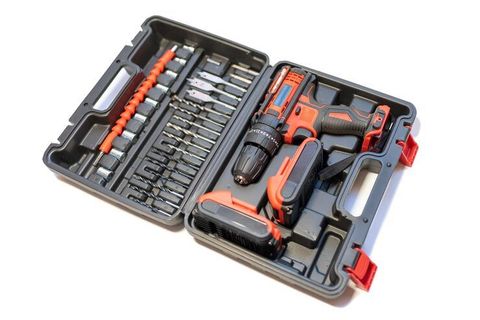
Cordless electric screwdrivers operate using rechargeable batteries. Their portable design allows users to work without a direct electrical connection.
Common features include:
Rechargeable lithium-ion batteries.
Forward and reverse operation.
Adjustable torque settings.
Integrated LED lighting in selected models.
Interchangeable screwdriver bits.
Cordless screwdrivers are commonly used for furniture assembly, home maintenance, equipment installation, and general repair activities.
2. Corded Electric Screwdrivers
Corded electric screwdrivers receive power through an electrical connection. They are suitable for work environments where a continuous power supply is available.
Their characteristics may include:
Continuous electrical operation.
Consistent motor performance.
Different speed configurations.
Compatibility with various fastening attachments.
These tools are used in workshops, production environments, and maintenance facilities.
3. Mini Electric Screwdrivers
Mini electric screwdrivers are compact tools designed for small fastening applications.
They are particularly useful for:
Electronics repair.
Computer assembly.
Mobile device maintenance.
Small household appliances.
Precision equipment servicing.
Some mini electric screwdriver kits include multiple interchangeable bits to accommodate different screw heads.
4. Precision Electric Screwdrivers
Precision electric screwdrivers are designed for applications requiring controlled fastening and accurate screw placement.
They are commonly used in electronics manufacturing, laboratory equipment assembly, watch repair, and specialized maintenance operations.
Important specifications include torque range, rotational speed, bit compatibility, and tool dimensions.
5. Industrial Electric Screwdrivers
Industrial electric screwdrivers are developed for repetitive fastening operations in manufacturing and assembly environments.
Depending on their configuration, they may include:
Adjustable torque control.
High-speed electric motors.
Automatic shutoff mechanisms.
Ergonomic operating designs.
External power controllers.
Production-line integration capabilities.
Industrial electric screwdrivers are frequently used in automotive manufacturing, electronics production, machinery assembly, and appliance manufacturing.
6. Automatic Electric Screwdrivers
Automatic electric screwdrivers are designed to support repetitive fastening processes with reduced manual intervention.
Some systems incorporate automatic screw feeding, programmable torque settings, sensors, and positioning mechanisms.
They are commonly integrated into production lines where consistent fastening and process monitoring are important.
Applications of Electric Screwdrivers Across Industries
Electric screwdrivers support a wide range of fastening activities across different industries.
Electronics Manufacturing
Electronics manufacturing requires accurate fastening because products often contain small components and delicate assemblies.
Precision electric screwdrivers are used in assembling circuit boards, electronic enclosures, computers, communication devices, and other electronic products.
Torque control is particularly important because excessive fastening force can damage components or threaded connections.
Automotive Manufacturing
Automotive production involves numerous fastening operations across vehicle components and assemblies.
Industrial electric screwdrivers are used in applications involving interior components, dashboards, electronic housings, selected mechanical assemblies, and production-line fastening.
Advanced fastening systems may include torque monitoring and automated process controls.
Furniture Manufacturing
Furniture manufacturers use electric screwdrivers for assembling wooden, metal, and composite furniture components.
Cordless screwdrivers and electric screwdriver sets are useful for repetitive assembly activities involving different screw sizes.
Construction and Installation
Electric screwdrivers are used in selected installation and construction applications involving fixtures, panels, electrical enclosures, and other fastening requirements.
For demanding construction applications, users may also evaluate impact drivers and drill drivers, which are designed for different operating requirements.
Industrial Machinery Assembly
Machinery manufacturing involves assembling metal frames, mechanical components, control panels, and equipment housings.
Industrial electric screwdrivers help support repetitive fastening processes where controlled torque and suitable tool specifications are important.
Home Maintenance
Rechargeable electric screwdrivers are useful for household repairs, furniture assembly, cabinet installation, and routine maintenance.
Their compact design makes them practical for applications where manual fastening may require additional time and effort.
Important Features and Technical Specifications
When evaluating an electric screwdriver, it is important to understand its technical specifications.
Torque
Torque refers to the rotational force applied by the screwdriver. It is commonly measured in Newton-metres (Nm).
Different fastening applications require different torque levels. Precision electronics work may require low torque, while industrial assembly may require higher and carefully controlled torque.
Rotational Speed
Rotational speed is generally measured in revolutions per minute (RPM).
The appropriate speed depends on screw dimensions, material characteristics, fastening requirements, and the application.
Battery Capacity
Cordless electric screwdrivers use rechargeable batteries with different voltage and capacity ratings.
Battery capacity is commonly expressed in ampere-hours (Ah) or milliampere-hours (mAh).
Motor Technology
Electric screwdrivers may use brushed or brushless motors.
Brushless motor designs can provide improved efficiency and reduced brush-related maintenance, depending on the tool configuration.
Screwdriver Bits
Interchangeable screwdriver bits allow a tool to accommodate different screw head designs.
Common bit types include:
Phillips.
Slotted.
Torx.
Hex.
Pozidriv.
Speed Control
Variable speed control allows users to adjust rotational speed according to fastening requirements.
This feature is particularly useful for delicate assembly operations and applications involving different materials.
Electric Screwdriver Manufacturers and Suppliers
Electric screwdriver manufacturers produce different categories of fastening equipment for household, professional, and industrial applications.
Their product ranges may include cordless screwdrivers, precision screwdriver kits, industrial electric screwdrivers, automatic fastening systems, and specialized torque-control tools.
When comparing electric screwdriver manufacturers, consider the following factors:
Available screwdriver types and configurations.
Motor specifications and operating speed.
Torque adjustment capabilities.
Battery technology and charging requirements.
Screwdriver bit compatibility.
Product testing and quality-control procedures.
Technical documentation and product specifications.
Availability of replacement components and accessories.
Compatibility with automated production systems.
Electric screwdriver suppliers may offer products from multiple manufacturers. Comparing technical specifications rather than relying only on product descriptions helps procurement teams identify appropriate equipment.
How to Choose the Right Electric Screwdriver
Selecting an electric screwdriver requires understanding the intended application and operating conditions.
1. Identify the Application
Determine whether the tool is intended for household repairs, electronics assembly, furniture manufacturing, automotive production, or industrial fastening.
2. Evaluate Torque Requirements
Select a screwdriver with an appropriate torque range for the screw size, material, and fastening application.
For precision applications, adjustable torque control can help reduce the risk of over-tightening.
3. Choose the Power Source
Consider whether a cordless, rechargeable, or corded electric screwdriver is appropriate.
Cordless designs provide portability, while corded tools can support continuous operation where electrical access is available.
4. Review Speed Specifications
Check the available RPM range and speed-control features. The selected operating speed should match the fastening requirements.
5. Check Bit Compatibility
Verify that the screwdriver supports the required bit types and sizes.
6. Consider Ergonomics
Grip design, tool weight, vibration, and operating position can influence comfort during repeated fastening activities.
7. Evaluate Maintenance Requirements
Review battery replacement, motor maintenance, bit replacement, and other routine servicing requirements.
8. Compare Technical Documentation
Review manufacturer datasheets, operating instructions, safety information, and product testing documentation before selecting industrial equipment.
Electric Screwdriver vs. Manual Screwdriver vs. Impact Driver
These tools perform related fastening tasks but have different operating characteristics.
Electric screwdriver: Uses an electric motor for controlled screw fastening and is available in precision and general-purpose designs.
Manual screwdriver: Operates through direct human force and is suitable for simple fastening tasks and applications requiring manual control.
Impact driver: Uses rotational impacts to deliver higher fastening force in demanding applications. It is commonly used for construction and heavier fastening work.
The correct tool depends on the screw type, material, torque requirement, and operating environment.
Recent Trends in Electric Screwdriver Technology
Electric screwdriver technology continues to develop alongside manufacturing automation and improvements in battery-powered equipment.
Brushless Motor Technology
Brushless motors are increasingly relevant in power tools because their design eliminates conventional motor brushes and can improve operating efficiency.
Smart Torque Control
Modern industrial fastening systems may incorporate electronic torque monitoring and programmable operating parameters.
These features help manufacturing facilities monitor fastening processes and maintain consistent assembly requirements.
Battery Improvements
Developments in rechargeable battery technology support portable electric screwdriver designs with different capacity, charging, and operating characteristics.
Automated Fastening Systems
Manufacturing facilities are adopting automated screw fastening equipment for repetitive assembly operations.
These systems can incorporate screw feeders, sensors, controllers, and robotic equipment.
Precision Electronics Assembly
The continued development of electronic devices creates demand for fastening equipment designed for small components and controlled torque applications.
Tools and Resources for Electric Screwdriver Research
Several technical resources can help users evaluate electric screwdrivers and their suitability for different applications.
Torque conversion calculators: Convert torque measurements between Nm, lb-ft, and other units.
RPM calculators: Help understand rotational speed requirements.
Battery capacity calculators: Support basic battery runtime estimates.
Screw size charts: Help identify suitable screw and screwdriver bit combinations.
Technical datasheets: Provide information about motor specifications, torque, voltage, speed, and dimensions.
Material compatibility guides: Help evaluate fastening requirements for different materials.
Manufacturer manuals: Provide operating instructions, maintenance procedures, and safety recommendations.
These resources are useful for comparing product specifications and understanding equipment requirements.
Frequently Asked Questions About Electric Screwdrivers
1. What is an electric screwdriver used for?
An electric screwdriver is used to tighten and loosen screws through motorized rotation. It is commonly used in furniture assembly, electronics manufacturing, automotive production, maintenance, and household repairs.
2. What is the difference between cordless and corded electric screwdrivers?
Cordless electric screwdrivers operate using rechargeable batteries and provide portability. Corded electric screwdrivers receive power through an electrical connection and can support continuous operation where power is available.
3. What is an industrial electric screwdriver?
An industrial electric screwdriver is a motorized fastening tool designed for manufacturing and assembly environments. Depending on its design, it may include torque adjustment, speed control, automatic shutoff, and production-line integration.
4. What does torque mean in an electric screwdriver?
Torque refers to the rotational force applied to a screw. It is commonly measured in Newton-metres and determines how much turning force the tool can deliver.
5. Are mini electric screwdrivers suitable for electronics repair?
Mini electric screwdrivers can be suitable for electronics repair when their torque, speed, bit dimensions, and operating specifications match the device requirements.
6. What should buyers consider when comparing electric screwdriver manufacturers?
Important considerations include product specifications, torque range, motor technology, battery configuration, quality-control procedures, technical documentation, and compatibility with the intended application.
Conclusion
Electric screwdrivers are important fastening tools used in household maintenance, electronics manufacturing, automotive production, construction, and industrial assembly. Their different configurations support applications ranging from delicate electronics repair to repetitive manufacturing operations.
Understanding electric screwdriver types, torque specifications, motor technology, battery capacity, and industrial applications helps users evaluate suitable equipment. As manufacturing automation and precision assembly continue to develop, electric screwdrivers and advanced fastening systems will remain important components of modern production environments.