Industrial Production Machines Guide: Automation Systems & Modern Manufacturing Applications
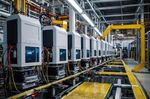
Industrial production machines are mechanical and automated systems used to manufacture, process, assemble, package, and handle materials in factories and industrial environments. These machines are commonly found in sectors such as automotive manufacturing, food processing, electronics, textiles, construction materials, and metal fabrication. Over time, industrial production equipment has evolved from manually operated systems to computer-controlled machinery capable of handling complex production tasks.
The development of industrial machinery began during the Industrial Revolution, when steam-powered systems increased manufacturing output. Later, electric motors, hydraulic systems, and computerized controls changed how factories operated. Today, modern production machines often combine robotics, sensors, and software to improve precision and reduce repetitive manual work.
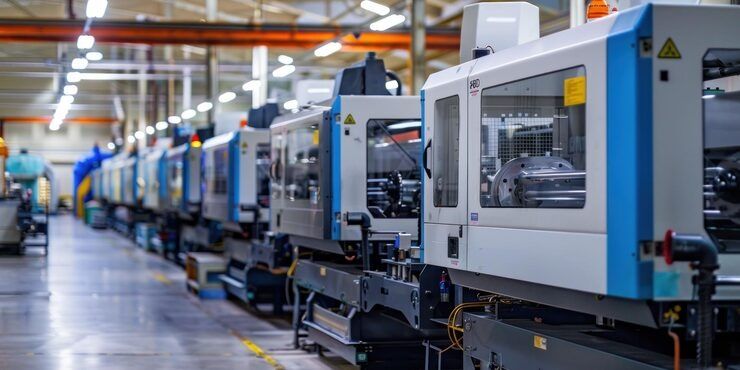
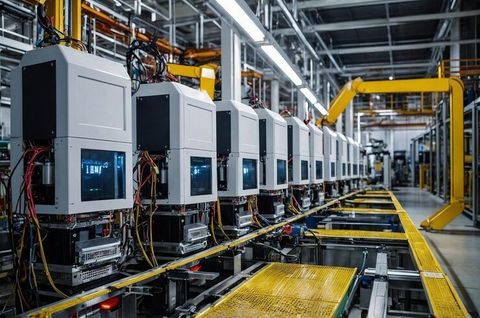
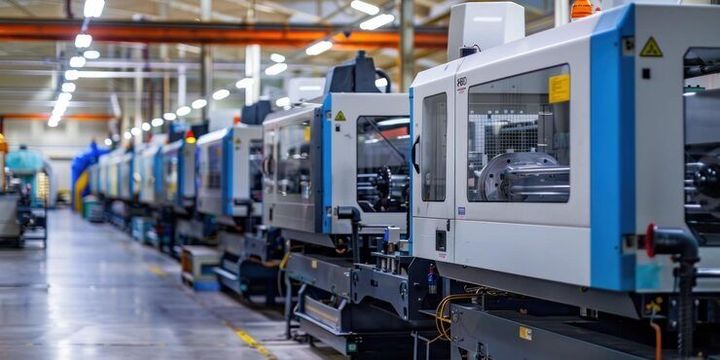
Industrial production systems are designed to support large-scale manufacturing processes. They help manage tasks such as cutting, molding, packaging, welding, labeling, sorting, and material transport. In many factories, multiple machines work together as part of an integrated production line.
Common categories of industrial production machines include:
- CNC machines for cutting and shaping materials
- Injection molding machines for plastic manufacturing
- Conveyor systems for material handling
- Industrial robots for assembly operations
- Packaging and labeling machines
- Textile production equipment
- Printing and processing machines
- Metal forming and welding machinery
The use of industrial automation has expanded in both developed and developing economies. As manufacturing demands increase, factories continue adopting machine-based production methods to improve consistency and operational efficiency.
Importance
Industrial production machines play an important role in modern manufacturing and supply chains. Many everyday products, including household appliances, packaged foods, vehicles, medicines, clothing, and construction materials, are produced using automated industrial machinery.
Manufacturing Efficiency
Production machinery allows factories to manufacture large quantities of products within shorter timeframes. Automated equipment can perform repetitive tasks continuously, reducing interruptions and improving workflow management.
For example:
- Conveyor systems move materials between workstations
- Robotic arms handle assembly tasks
- Packaging machines prepare products for distribution
- Industrial sensors monitor machine performance
These systems help maintain stable production operations across different industries.
Workplace Safety
Many industrial production machines are designed to reduce direct human exposure to hazardous manufacturing environments. Heavy lifting, high-temperature operations, and repetitive tasks are increasingly handled by automated systems.
Examples include:
- Robotic welding equipment in automotive plants
- Automated chemical mixing systems
- Machine-guided cutting equipment
- Material lifting systems in warehouses
Although machinery can improve safety, factories still require trained operators and maintenance personnel to follow safety procedures.
Product Consistency
Industrial machinery helps manufacturers maintain consistent product dimensions, packaging quality, and production standards. Computer-controlled machines can repeat the same operation multiple times with minimal variation.
This consistency is important in industries such as:
| Industry | Machine Function | Importance |
|---|---|---|
| Food Processing | Packaging and sealing | Uniform packaging |
| Automotive | Robotic assembly | Accurate component fitting |
| Pharmaceuticals | Tablet production | Standardized dosage |
| Electronics | Precision soldering | Circuit reliability |
| Textile Manufacturing | Automated weaving | Fabric consistency |
Economic and Infrastructure Development
Industrial production equipment supports manufacturing growth, infrastructure projects, and export industries. Countries with strong industrial machinery adoption often develop larger manufacturing networks and supply chains.
Production machines also support:
- Construction material manufacturing
- Renewable energy component production
- Agricultural equipment manufacturing
- Transportation infrastructure development
As industries expand, industrial automation continues influencing productivity and manufacturing capacity worldwide.
Recent Updates
Between 2024 and 2026, several developments have influenced industrial production machines and factory automation systems. Many manufacturers are focusing on digital monitoring, energy efficiency, and advanced robotics integration.
Growth of Smart Manufacturing
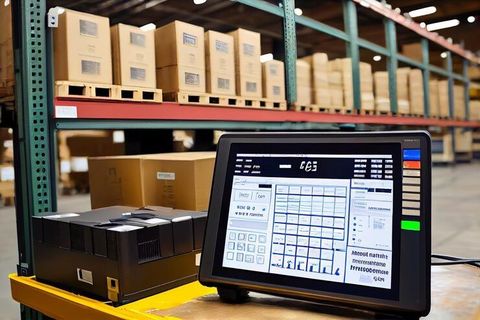
Smart manufacturing systems combine industrial machines with sensors, cloud-based monitoring, and data analysis tools. Machines can now collect operational data in real time to monitor output, machine health, and maintenance schedules.
Key developments include:
- Predictive maintenance software
- Industrial Internet of Things (IIoT) systems
- Machine performance dashboards
- Automated fault detection systems
Factories increasingly use connected systems to reduce unexpected equipment downtime.
Expansion of Robotics
Industrial robots are becoming more common in medium-sized manufacturing facilities. Robotics technology has expanded beyond automotive manufacturing into food processing, electronics, logistics, and packaging industries.
Recent trends include:
- Collaborative robots working near human operators
- Vision-guided robotic systems
- Automated palletizing equipment
- Robotic quality inspection systems
These systems are designed to handle repetitive production tasks with improved precision.
Energy-Efficient Machinery
Energy usage has become an important consideration for industrial facilities. Many industrial production machines now include energy monitoring features and optimized motor systems.
Examples of energy-focused improvements include:
- Variable frequency drives (VFDs)
- Low-energy industrial motors
- Heat recovery systems
- Automated shutdown controls
Manufacturers are also exploring renewable energy integration within production environments.
Artificial Intelligence in Manufacturing
Artificial intelligence applications are increasingly being integrated into industrial machinery. AI-supported systems can analyze production patterns, detect equipment irregularities, and improve process management.
Common AI applications include:
- Machine vision inspection
- Production forecasting
- Automated sorting systems
- Defect detection during manufacturing
The adoption of AI varies depending on industry size, technical infrastructure, and manufacturing complexity.
Laws or Policies
Industrial production machines are influenced by safety standards, environmental regulations, workplace rules, and industrial development programs. Regulations differ by country, but most governments require factories to follow operational and worker safety guidelines.
Workplace Safety Regulations
Industrial facilities are generally required to maintain safe machine operations. Safety regulations may include:
- Emergency stop systems
- Machine guarding requirements
- Operator training procedures
- Electrical safety inspections
- Hazard communication systems
In many countries, labor departments and industrial safety agencies monitor compliance with factory regulations.
Environmental Policies
Industrial machinery operations may be regulated to reduce pollution, manage waste, and improve energy efficiency. Environmental laws often apply to:
- Industrial emissions
- Wastewater treatment
- Noise control
- Chemical handling
- Energy consumption reporting
Manufacturing plants may also require environmental approvals before installing certain production systems.
Automation and Industry Programs
Several governments have introduced industrial modernization initiatives to support manufacturing development and digital transformation.
Examples of industrial policy areas include:
- Smart manufacturing adoption
- Semiconductor production expansion
- Renewable energy manufacturing
- Industrial digitization programs
- Technical workforce training
These programs often focus on improving industrial competitiveness and production capacity.
Equipment Certification Standards
Industrial production machines may require compliance with technical standards related to machine safety and operational performance.
Common certification areas include:
- Electrical safety
- Pressure equipment standards
- Industrial robotics safety
- Machine control systems
- Manufacturing quality systems
Certification requirements can vary depending on machine type and industry application.
Tools and Resources
Many digital tools and industrial platforms support machine monitoring, maintenance planning, and production management. These tools help factories organize industrial operations and analyze production data.
Industrial Monitoring Platforms
Industrial monitoring systems track machine performance and production output. These platforms often display:
- Production rates
- Equipment temperature
- Energy usage
- Maintenance schedules
- Machine downtime reports
Monitoring software is commonly used in automated manufacturing environments.
CAD and CAM Software
Computer-aided design (CAD) and computer-aided manufacturing (CAM) software help engineers create machine components and production instructions.
Common uses include:
- Product design
- Machine part modeling
- CNC programming
- Manufacturing simulations
These tools are important in precision manufacturing industries.
Predictive Maintenance Tools
Predictive maintenance systems use sensors and data analysis to monitor machine condition. These tools can identify early signs of equipment wear or operational problems.
Typical features include:
- Vibration analysis
- Temperature monitoring
- Oil condition tracking
- Automated maintenance alerts
Factories use these systems to improve equipment reliability.
Production Planning Resources
Manufacturing facilities often use planning tools to organize production schedules and inventory management.
Helpful resources may include:
- Enterprise resource planning (ERP) systems
- Inventory management software
- Production scheduling templates
- Supply chain management platforms
These tools help coordinate manufacturing activities across multiple departments.
FAQs
What are industrial production machines used for?
Industrial production machines are used to manufacture, process, package, assemble, and transport products in factories and industrial facilities. They support industries such as automotive, electronics, textiles, food processing, and construction materials.
How do industrial production machines improve manufacturing?
Industrial machinery helps improve production speed, product consistency, and operational efficiency. Automated systems can handle repetitive tasks with reduced manual intervention while maintaining standardized output.
What is the difference between industrial automation and traditional machinery?
Traditional machinery often requires continuous manual operation, while industrial automation systems use sensors, software, and programmable controls to perform tasks automatically. Automation can also support data monitoring and machine communication.
Which industries use industrial production equipment the most?
Industries commonly using industrial production equipment include:
- Automotive manufacturing
- Food and beverage processing
- Pharmaceutical manufacturing
- Electronics production
- Metal fabrication
- Textile manufacturing
These sectors rely on machinery for large-scale production activities.
Are industrial production machines connected to artificial intelligence?
Some modern industrial production machines include artificial intelligence features such as machine vision inspection, predictive maintenance analysis, and automated defect detection. AI integration is becoming more common in advanced manufacturing facilities.
Conclusion
Industrial production machines are an important part of modern manufacturing systems and industrial infrastructure. They support large-scale production, improve operational consistency, and assist with workplace safety in many industries. Recent developments in automation, robotics, artificial intelligence, and energy-efficient machinery continue shaping industrial production environments. Regulations and technical standards also influence how factories operate and maintain industrial equipment. As manufacturing technologies evolve, industrial machinery remains closely connected to global production and supply chain activities.