Industrial Machinery Overview: Features and Applications
Industrial Machinery plays an important role in manufacturing, construction, agriculture, food processing, and other industrial activities. These machines help perform tasks such as cutting, shaping, lifting, assembling, and processing materials.
Understanding their features, types, and applications helps readers learn how modern industries operate. This overview explains the main machinery categories, their functions, recent developments, and relevant Indian regulations.
Key Takeaways
Industrial machinery supports manufacturing, construction, packaging, and material processing activities.
Different machine types perform specific tasks across industrial sectors.
Automation and digital monitoring are changing modern machinery operations.
Safety standards and regular maintenance support reliable machine operation.
Related Searches
What is industrial machinery and how does it work?
Types of industrial machinery used in manufacturing
Industrial machinery features and applications explained
How does automated industrial machinery work?
Industrial machinery safety standards in India
Difference between manual and automated industrial machines
In This Guide
What Is Industrial Machinery and How Did It Develop?
Why Is Industrial Machinery Important Today?
Recent Developments in Industrial Machinery
Industrial Machinery Laws and Safety Policies in India
Types of Industrial Machinery: Features and Applications
Tools and Resources for Understanding Industrial Machinery
Frequently Asked Questions About Industrial Machinery
Conclusion
What Is Industrial Machinery and How Did It Develop?
Understanding Industrial Machinery
Industrial machinery refers to mechanical, electrical, and automated equipment used to manufacture products, process raw materials, move materials, and complete industrial operations. These machines may operate manually, mechanically, electronically, or through computer-controlled systems.
Common examples include drilling machines, industrial presses, conveyor belts, hydraulic systems, CNC machines, compressors, and packaging equipment. Their size and design depend on the task, material, production environment, and required operating capacity.
How Did Industrial Machinery Develop?
The development of industrial machinery is closely connected to the Industrial Revolution. Early factories used steam-powered equipment to increase production and reduce dependence on manual processes. Later, electric motors made machines easier to operate and control.
During the twentieth century, hydraulic systems, pneumatic equipment, and electronic controls expanded industrial capabilities. Computer numerical control (CNC) technology introduced programmed machine operations, allowing manufacturers to perform precise cutting, drilling, and shaping tasks.
Today, industrial machinery can combine sensors, software, robotics, and connected monitoring systems. These technologies allow machines to exchange information and support coordinated production activities.
Why Is Industrial Machinery Important Today?
Industrial machinery supports the production of everyday products, from packaged food and clothing to vehicles, construction materials, and electronic components. Without suitable equipment, many industrial processes would require more manual work and longer operating periods.
Which Industries Use Industrial Machinery?
Several industries depend on different machinery categories:
Manufacturing: Uses milling machines, presses, lathes, and assembly equipment to produce components and finished products.
Construction: Uses excavators, cranes, loaders, concrete mixers, and drilling equipment for infrastructure projects.
Agriculture: Uses tractors, harvesters, irrigation pumps, and grain-processing machines.
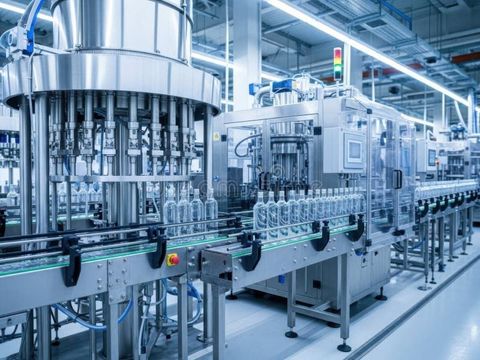
Food processing: Uses mixers, grinders, filling machines, ovens, and packaging equipment.
Textiles: Uses spinning, weaving, dyeing, and fabric-finishing machinery.
Mining: Uses crushers, drilling machines, conveyors, and mineral-processing equipment.
What Everyday Problems Does Industrial Machinery Address?
Industrial machines help manage repetitive and physically demanding activities. They can maintain consistent operating processes, handle heavy materials, and perform tasks requiring controlled measurements.
For example, a CNC machine can follow programmed instructions to produce components with specified dimensions. A conveyor system moves materials between production stages, while an automated packaging machine fills and seals containers.
However, machine performance depends on suitable operating conditions, correct installation, trained operators, and regular maintenance.
Recent Developments in Industrial Machinery
Industrial machinery is gradually becoming more connected, automated, and data-driven. Manufacturers are combining mechanical equipment with digital technologies to improve production monitoring and operational planning.
How Is Automation Changing Industrial Machinery?
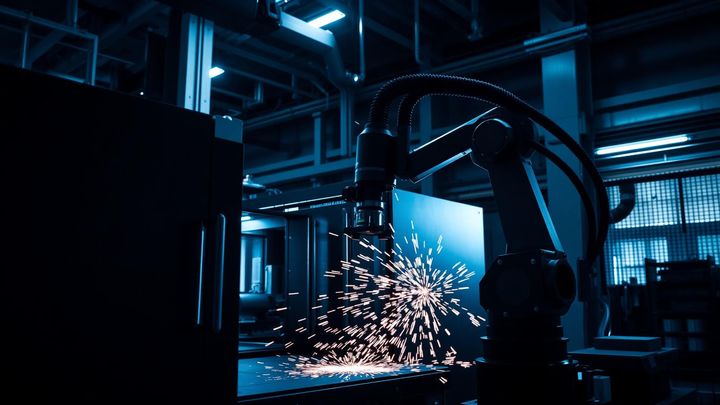
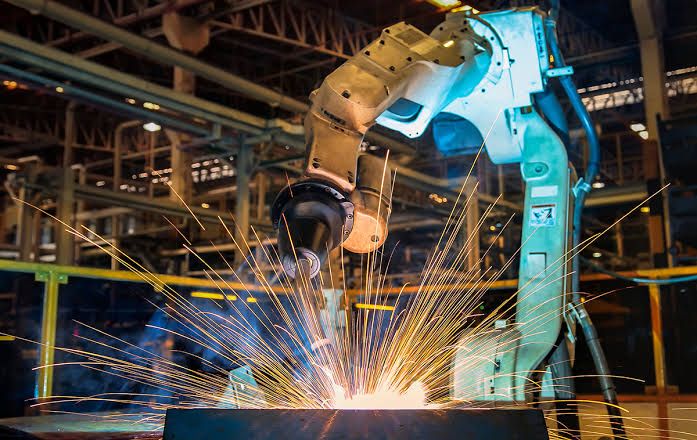
Robotics and programmable controllers are increasingly used for repetitive production activities. Robotic arms can perform welding, painting, material handling, and assembly operations within controlled environments.
Programmable Logic Controllers (PLCs) manage machine sequences using programmed instructions. Sensors can monitor temperature, pressure, vibration, and movement, helping operators identify unusual operating conditions.
What Is Smart Industrial Machinery?
Smart machinery uses connected sensors, software, and monitoring systems to collect operational information. Some systems use artificial intelligence to analyse machine data and identify patterns associated with equipment performance.
Predictive maintenance is another developing approach. Instead of relying only on fixed maintenance intervals, operators examine equipment data to identify possible problems before major interruptions occur.
Energy efficiency is also receiving attention. Modern machine designs increasingly consider motor efficiency, energy monitoring, reduced material waste, and improved production control.
Industrial Machinery Laws and Safety Policies in India
Industrial machinery must operate within applicable safety, quality, environmental, and workplace regulations. Requirements depend on the equipment category, industry, installation, and intended use.
Which Indian Rules Apply to Industrial Machinery?
Several Indian laws and regulatory frameworks are relevant:
Bureau of Indian Standards (BIS) Act, 2016: Provides the legal framework for Indian product standards, conformity assessment, and certification requirements.
Occupational Safety, Health and Working Conditions Code, 2020: Covers workplace health, safety, and working conditions, including relevant industrial establishments.
Factories Act, 1948: Historically established requirements concerning machinery guarding, workplace conditions, and industrial safety. Its applicability should be considered alongside the implementation of newer labour legislation.
Central Pollution Control Board (CPCB): Provides environmental standards and guidance relevant to industrial operations, emissions, and waste management.
What Is the Machinery Safety Regulation in India?
The Ministry of Heavy Industries introduced the Machinery and Electrical Equipment Safety (Omnibus Technical Regulation) Order in 2024. It was amended during 2025, including changes to its proposed implementation timeline.
However, the government withdrew the original order on 16 January 2026. Therefore, its earlier proposed implementation date should not be treated as a current effective requirement. Manufacturers and equipment operators need to check the latest applicable BIS notifications and category-specific regulations before determining compliance.
Types of Industrial Machinery: Features and Applications
Industrial machinery includes several categories designed for different operations. Understanding their functions helps explain how industrial production systems work.
What Are the Main Types of Industrial Machinery?
Machinery type | Main features | Common applications |
|---|---|---|
CNC machines | Computer-controlled cutting and shaping | Automotive and metalworking |
Hydraulic machines | Use pressurised fluid for force | Metal forming and pressing |
Conveyor systems | Move materials between locations | Warehousing and production |
Packaging machines | Fill, seal, label, and wrap products | Food and pharmaceuticals |
Industrial robots | Perform programmed movements | Welding and assembly |
Compressors | Increase air or gas pressure | Manufacturing and processing |
Textile machines | Spin, weave, and process fabric | Textile production |
Construction machinery | Lift, dig, and move materials | Roads and buildings |
What Are the Main Features of Industrial Machinery?
Industrial machines have different technical characteristics depending on their purpose. Common features include:
Power systems: Electric motors, hydraulic systems, pneumatic systems, or other energy sources operate machinery.
Control systems: Manual controls, electronic panels, PLCs, and computer programs manage machine functions.
Production capacity: Describes the amount of material or number of products a machine can process within a specified period.
Precision: Determines how accurately equipment performs measurements, cutting, drilling, or shaping.
Safety mechanisms: Guards, emergency stops, sensors, and interlocks help reduce operational risks.
Maintenance requirements: Lubrication, inspection, cleaning, and component replacement help maintain operating conditions.
Where Is Industrial Machinery Used?
Applications vary according to industrial requirements. Metalworking equipment shapes raw metal into components, while food-processing machines prepare, mix, heat, and package products.
In construction, heavy machinery handles excavation, lifting, and material movement. In warehouses, conveyors and automated handling systems support the movement and sorting of goods.
These applications show that machinery is not limited to factory production. It also supports infrastructure, transportation, agriculture, and industrial processing.
Tools and Resources for Understanding Industrial Machinery
Technical resources help users understand machine specifications, operating requirements, safety considerations, and maintenance procedures.
Some commonly used resources include:
BIS: Provides information about Indian standards and applicable certification frameworks.
India Code: Contains central legislation and official legal documents.
Ministry of Heavy Industries: Publishes information about capital goods, machinery regulations, and industrial development.
CPCB: Provides environmental regulations and industrial pollution guidelines.
IMTMA: Shares information about machine tools, manufacturing technology, and industry developments.
Machine capacity calculators: Help estimate production output using operating time and processing rates.
Maintenance checklists: Record inspections, lubrication schedules, equipment condition, and maintenance activities.
Technical manuals and manufacturer documentation also explain installation procedures, machine limitations, operating instructions, and safety precautions.
Frequently Asked Questions About Industrial Machinery
1. What Is Industrial Machinery Used For?
Industrial machinery is used for manufacturing, processing, assembling, packaging, lifting, and transporting materials across different industries.
2. What Are the Main Types of Industrial Machinery?
Common types include CNC machines, hydraulic presses, conveyors, compressors, packaging equipment, textile machines, and industrial robots.
3. How Does Automated Industrial Machinery Work?
Automated machinery uses programmed instructions, sensors, controllers, and mechanical components to perform operations with limited manual intervention.
4. What Features Should Industrial Machinery Have?
Important features include suitable power systems, accurate controls, safety mechanisms, appropriate production capacity, and manageable maintenance requirements.
5. What Safety Standards Apply to Industrial Machinery in India?
Applicable requirements may include BIS standards, workplace safety legislation, equipment-specific regulations, and environmental guidelines.
Conclusion
Industrial machinery supports manufacturing, construction, agriculture, packaging, textiles, and many other industrial activities. Different machine categories perform specialised operations using mechanical, electrical, hydraulic, and automated systems. Recent developments include robotics, connected monitoring, predictive maintenance, and energy-efficient equipment. Understanding machinery features, applications, and relevant Indian regulations provides a clearer picture of modern industrial operations.