Industrial Equipment Technologies Trends and Uses Guide
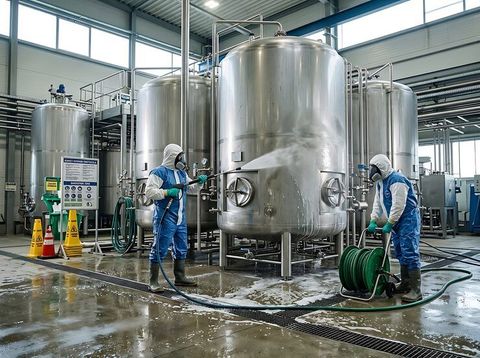
Industrial equipment technologies refer to the machines, systems, and technical solutions used in manufacturing, processing, construction, energy production, and other industrial activities. These technologies are designed to support production processes, improve operational efficiency, and help organizations maintain consistent output quality.
The history of industrial equipment can be traced back to the Industrial Revolution when mechanized tools replaced manual labor in many manufacturing activities. Over time, industries adopted electrical systems, computer controls, robotics, and digital technologies to improve performance and reliability.
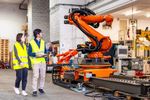
Today, industrial equipment technologies include a wide range of machinery and systems such as automated production equipment, material handling systems, industrial sensors, process control devices, and predictive maintenance solutions. These technologies exist because industries continuously seek better ways to increase productivity, reduce downtime, improve safety, and maintain product quality.
Common Types of Industrial Equipment
| Equipment Type | Primary Purpose | Common Applications |
|---|---|---|
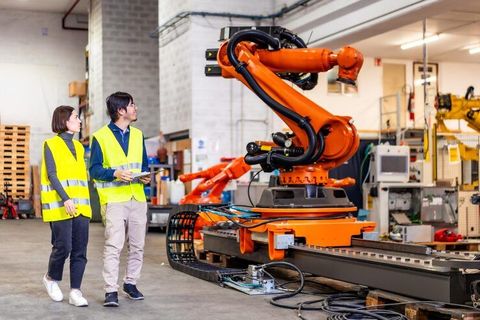
| Industrial Robots | Automated operations | Assembly, welding, packaging |
| CNC Machines | Precision manufacturing | Metalworking, machining |
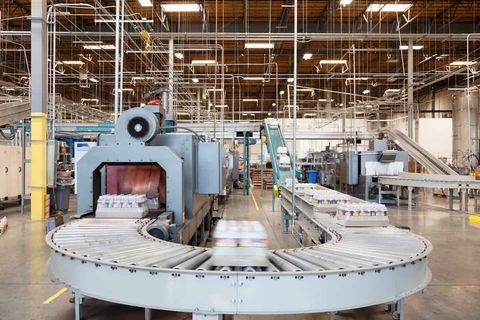
| Conveyors | Material movement | Warehousing, production lines |
| Industrial Pumps | Fluid transfer | Water treatment, chemicals |
| Compressors | Air and gas compression | Manufacturing facilities |
| Sensors and Controls | Monitoring and automation | Smart factories |
| Material Handling Systems | Transportation of goods | Logistics and storage |
The development of smart manufacturing has expanded the capabilities of industrial equipment. Modern systems can collect data, communicate with connected devices, and support real-time decision-making.
Why Industrial Equipment Technologies Matter Today
Industrial equipment technologies influence nearly every sector of the economy. Manufacturing facilities, energy plants, transportation networks, food processing operations, and construction projects all rely on specialized equipment to function effectively.
One of the most important benefits of modern industrial equipment is improved efficiency. Advanced systems can perform repetitive tasks with greater speed and accuracy than manual processes. This helps reduce production delays and maintain consistent quality standards.
Another important advantage is workplace safety. Many industrial technologies are designed to minimize human exposure to hazardous environments. Automated systems can perform tasks involving extreme temperatures, heavy loads, or potentially dangerous materials.
Key Benefits
- Improved production efficiency
- Enhanced workplace safety
- Better product consistency
- Reduced operational downtime
- Greater resource optimization
- Improved equipment monitoring
- Higher manufacturing precision
Industrial equipment technologies also support sustainability goals. Modern systems often include energy-efficient components, resource monitoring tools, and advanced controls that help reduce waste and improve environmental performance.
Impact Across Industries
| Industry | Equipment Applications |
| Manufacturing | Production automation and quality control |
| Energy | Power generation and monitoring |
| Construction | Material handling and heavy machinery |
| Food Processing | Packaging and processing systems |
| Healthcare Manufacturing | Precision equipment and automation |
| Logistics | Warehouse automation and transportation |
As industries become increasingly connected, equipment technologies are becoming essential for maintaining competitiveness and operational resilience.
Recent Updates and Industry Trends
The industrial equipment sector has experienced significant changes throughout 2025 and early 2026. Several technology trends continue to shape manufacturing and industrial operations.
Growth of Industrial Automation
Automation remains one of the most influential developments in industrial technology. Organizations continue integrating automated production systems to improve efficiency and maintain consistent output.
Automation technologies now support tasks such as assembly, inspection, packaging, and inventory management. Advanced software systems help coordinate equipment performance across entire production facilities.
Expansion of Smart Manufacturing
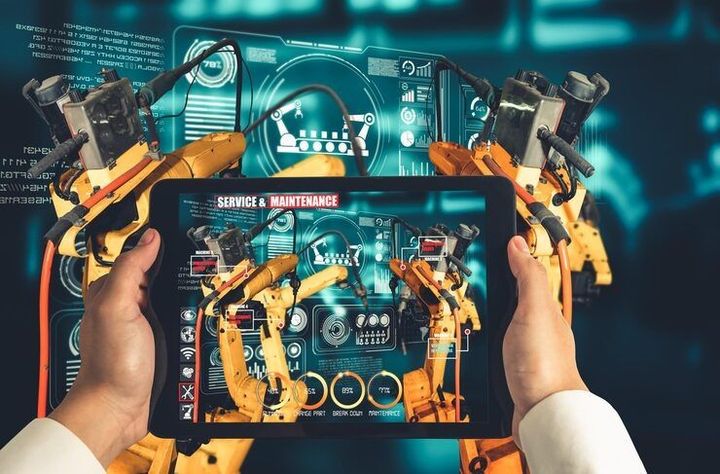
Smart manufacturing combines industrial equipment with sensors, data analytics, and connected systems. Equipment can now collect operational data and provide insights into performance, maintenance needs, and production efficiency.
Predictive Maintenance Adoption
Predictive maintenance has become increasingly important during 2025. Instead of waiting for equipment failures, organizations use monitoring systems to identify potential issues before breakdowns occur.
Benefits include:
- Reduced maintenance disruptions
- Improved equipment lifespan
- Better operational planning
- Enhanced reliability
Artificial Intelligence Integration
Artificial intelligence is becoming more common in industrial environments. AI-supported systems analyze operational data, identify patterns, and help optimize equipment performance.
Sustainability and Energy Efficiency
Environmental considerations continue influencing equipment design. Manufacturers increasingly focus on:
- Energy-efficient motors
- Reduced emissions technologies
- Waste reduction systems
- Resource optimization tools
- Sustainable manufacturing practices
Industrial Technology Trend Overview
| Trend | Industry Impact |
| Automation | Higher productivity |
| Smart Manufacturing | Better visibility |
| AI Integration | Enhanced decision-making |
| Predictive Maintenance | Reduced downtime |
| Energy Efficiency | Lower resource consumption |
| Digital Monitoring | Improved operational control |
These trends demonstrate how industrial equipment technologies are evolving beyond traditional machinery into connected and intelligent systems.
Laws and Policies Affecting Industrial Equipment Technologies
Industrial equipment technologies operate within regulatory frameworks designed to promote safety, environmental protection, and operational standards.
Workplace Safety Regulations
Most countries maintain workplace safety requirements governing industrial equipment use. These regulations often address:
- Equipment inspection procedures
- Employee training requirements
- Machinery safeguarding measures
- Emergency response planning
- Maintenance documentation
Safety standards help reduce workplace incidents and encourage responsible equipment operation.
Environmental Compliance Requirements
Industrial facilities are often subject to environmental regulations that influence equipment selection and operation. Common requirements include:
- Emissions monitoring
- Energy efficiency standards
- Waste management controls
- Resource conservation measures
- Pollution prevention practices
Manufacturing Standards
Many industries follow technical standards that establish performance, quality, and safety expectations for industrial equipment.
Examples include:
- Quality management frameworks
- Equipment testing procedures
- Process control standards
- Product safety requirements
Digital and Cybersecurity Considerations
As industrial equipment becomes increasingly connected, governments and industry organizations continue developing cybersecurity guidelines for industrial control systems.
These frameworks encourage organizations to protect operational technology networks from unauthorized access and digital threats.
Organizations must regularly review regulatory updates to ensure compliance with applicable requirements in their region and industry sector.
Useful Tools and Resources
Various tools and resources can help professionals understand, manage, and optimize industrial equipment technologies.
Monitoring and Analysis Tools
- Equipment performance dashboards
- Maintenance tracking systems
- Energy monitoring platforms
- Production analytics software
- Operational reporting tools
Planning Resources
- Maintenance schedule templates
- Equipment inspection checklists
- Risk assessment frameworks
- Asset management worksheets
- Operational planning documents
Learning Resources
- Technical training materials
- Industry publications
- Manufacturing research reports
- Equipment operation guides
- Professional development courses
Calculation and Evaluation Resources
| Resource Type | Purpose |
| Energy Calculators | Measure efficiency |
| Productivity Calculators | Evaluate performance |
| Maintenance Planners | Schedule inspections |
| Capacity Estimators | Assess production capability |
| Risk Assessment Templates | Identify operational risks |
These resources support better decision-making and help organizations improve equipment management practices.
Frequently Asked Questions
What are industrial equipment technologies?
Industrial equipment technologies are machinery, systems, and technical solutions used in manufacturing, processing, logistics, construction, and other industrial operations to improve productivity and efficiency.
What is the difference between traditional and modern industrial equipment?
Traditional equipment often operates independently, while modern equipment may include sensors, automation features, data analytics capabilities, and connectivity functions that support smarter operations.
Why is automation important in industrial environments?
Automation helps improve consistency, efficiency, accuracy, and safety. It can perform repetitive tasks while reducing operational disruptions and improving production quality.
What is predictive maintenance?
Predictive maintenance uses equipment data and monitoring technologies to identify potential issues before failures occur. This approach helps reduce downtime and improve reliability.
How do industrial equipment technologies support sustainability?
Many modern systems use energy-efficient designs, resource monitoring tools, and optimized processes that help reduce waste, conserve resources, and improve environmental performance.
Conclusion
Industrial equipment technologies continue to play a critical role in modern industry. From manufacturing and construction to energy production and logistics, these technologies help organizations improve efficiency, safety, and operational performance.