Industrial Electrical Products Explanation With Components
Industrial electrical products play a critical role in modern manufacturing, infrastructure, energy systems, and automation environments. These products help distribute power, control machinery, protect electrical systems, and support efficient industrial operations. From simple switches to advanced control panels, industrial electrical products are essential components that allow facilities to operate safely and reliably.
As industries continue adopting automation and digital technologies, the importance of industrial electrical products has increased significantly. According to global industrial research, organizations worldwide continue investing in electrical infrastructure to improve efficiency, productivity, and operational reliability. Whether used in factories, warehouses, processing plants, commercial facilities, or utility systems, industrial electrical products form the foundation of many modern operations.
The impact of industrial electrical products extends beyond power distribution. These products contribute to equipment protection, worker safety, process control, and energy management. Understanding industrial electrical products, their components, and their applications helps professionals, business owners, engineers, technicians, and students gain a clearer understanding of industrial systems. Before exploring individual components, it is useful to understand who is affected by these products and the challenges they help solve.
Who It Affects & Problems It Solves
Industrial electrical products affect a wide range of industries and professionals. Manufacturing facilities rely on industrial electrical products to operate machinery and production lines. Utility operators use industrial electrical products to manage power distribution systems. Engineers, maintenance teams, automation specialists, and facility managers depend on these products to maintain safe and efficient operations.
Without reliable industrial electrical products, many industrial processes would face operational interruptions, safety risks, and reduced productivity. Power fluctuations, equipment overloads, electrical faults, and system failures can cause significant downtime and financial losses. Industrial electrical products help address these challenges by controlling electrical flow, protecting equipment, and supporting stable operations.
A common challenge in industrial environments is managing increasingly complex electrical systems. Modern facilities often integrate automation, monitoring systems, and advanced equipment that require dependable electrical infrastructure. Industrial electrical products help simplify system management while improving reliability and safety. As technology continues evolving, recent developments have further expanded the capabilities of industrial electrical products.
Recent Updates
Over the past year, industrial electrical products have increasingly incorporated smart monitoring capabilities. Many modern devices now provide real-time status information, allowing operators to monitor performance and identify potential issues before failures occur.
Another significant trend involves energy efficiency. Organizations worldwide are seeking ways to reduce energy consumption while maintaining productivity. Industrial electrical products designed for improved energy management have become increasingly important in achieving operational goals.
Automation continues to influence product development. Industrial electrical products are increasingly integrated with automated systems that help optimize production processes, improve equipment performance, and reduce manual intervention. This trend has contributed to growing demand for intelligent control and monitoring solutions.
Safety enhancements have also remained a major focus. Manufacturers continue developing industrial electrical products with improved protection features designed to reduce risks associated with overloads, short circuits, and equipment failures. These developments provide useful context for understanding the major components commonly found in industrial electrical systems.
Comparison Table
The following table highlights common industrial electrical products, their primary functions, and typical applications.
| Product Type | Primary Function | Common Application |
|---|---|---|
| Circuit Breakers | Electrical Protection | Power Distribution Systems |
| Contactors | Switching Electrical Loads | Motor Control |
| Relays | Signal Control | Automation Systems |
| Control Panels | Centralized System Management | Industrial Operations |
| Switches | Circuit Control | Equipment Operation |
| Transformers | Voltage Conversion | Power Distribution |
| Fuses | Overcurrent Protection | Electrical Safety |
| Motor Starters | Motor Protection and Starting | Industrial Machinery |
| Sensors | Monitoring Conditions | Automation Processes |
| Power Supplies | Provide Stable Electrical Power | Control Systems |
| Terminal Blocks | Electrical Connections | Wiring Systems |
| Variable Frequency Drives | Motor Speed Control | Process Optimization |
The table demonstrates that industrial electrical products serve diverse functions ranging from protection and control to monitoring and power management. Understanding these components helps clarify how industrial electrical systems operate as integrated networks.
Components Information
Industrial electrical products consist of numerous components that work together to ensure reliable performance. Circuit breakers are among the most important components because they automatically interrupt electrical flow when abnormal conditions occur. This protection helps prevent equipment damage and enhances workplace safety.
Contactors and relays are widely used for switching and control applications. Contactors handle larger electrical loads commonly associated with motors and heavy equipment, while relays are often used for signal processing and control functions. Both components play important roles in automation and electrical management systems.
Transformers are essential for voltage conversion. Industrial facilities frequently require different voltage levels for various equipment types, and transformers help provide the necessary electrical characteristics. Power supplies also contribute by delivering stable electrical energy to control devices and automation systems.
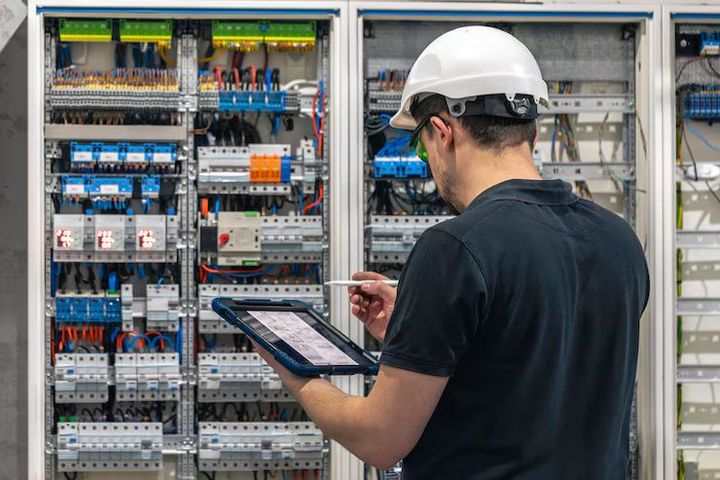
Control panels integrate many electrical components into a centralized structure. These panels often contain breakers, relays, contactors, monitoring devices, and communication equipment. Together, these components help operators manage industrial systems efficiently and safely.
Regulations & Practical Guidance
Industrial electrical products are generally subject to safety, performance, and quality requirements in most countries. Regulatory authorities and industry organizations typically establish standards designed to ensure safe installation, operation, and maintenance. Compliance with these standards helps reduce risks associated with electrical systems.
Most industrial facilities implement inspection and maintenance programs to ensure electrical products continue operating correctly. Regular testing, cleaning, and component replacement can help identify potential issues before they lead to equipment failures or safety concerns. Preventive maintenance remains one of the most effective strategies for maximizing system reliability.
Proper product selection is equally important. Industrial electrical products should be chosen based on operational requirements, environmental conditions, electrical loads, and safety considerations. Using products that match application requirements helps improve performance and reduce operational risks.
Which Option Suits Your Situation?
A manufacturing facility operating large machinery may prioritize motor starters, contactors, and variable frequency drives. These products help control equipment operation while improving efficiency and reliability.
Organizations implementing automation systems often focus on sensors, relays, control panels, and communication devices. These components support monitoring, control, and process optimization functions.
Facilities concerned with electrical protection may prioritize circuit breakers, fuses, and protective devices. These products help reduce equipment damage and support workplace safety.
Businesses upgrading electrical infrastructure frequently evaluate transformers, power supplies, and distribution equipment. These products contribute to stable electrical performance and efficient power management. Understanding these needs naturally leads to exploring useful tools and resources for industrial electrical systems.
Tools & Resources
Several resources can help professionals understand and manage industrial electrical products more effectively.
Electrical Design Software — Supports planning and documentation of electrical systems.
Load Calculation Tools — Assist in determining electrical requirements for equipment and facilities.
Equipment Selection Guides — Help identify suitable industrial electrical products for specific applications.
Maintenance Management Systems — Support inspection scheduling and maintenance tracking.
Electrical Safety Training Resources — Provide information regarding safe work practices and compliance.
Industrial Automation Learning Platforms — Explain automation technologies and control systems.
Technical Documentation Libraries — Offer specifications, manuals, and installation guidance for industrial electrical products.
These resources help organizations improve system performance, support compliance, and enhance operational reliability. They also address many common questions regarding industrial electrical products.
Frequently Asked Questions
What are industrial electrical products?
Industrial electrical products are devices and components used to distribute power, control equipment, protect electrical systems, and support industrial operations. Examples include circuit breakers, relays, contactors, transformers, control panels, sensors, and motor control equipment.
Why are industrial electrical products important?
Industrial electrical products help maintain safe and reliable operations. They support power distribution, equipment protection, automation, monitoring, and process control. Without these products, industrial facilities would face increased risks of downtime, equipment damage, and safety incidents.
What is the difference between a relay and a contactor?
Both devices are used for switching electrical circuits, but contactors are generally designed to handle larger electrical loads. Relays are commonly used for control and signaling functions, while contactors are frequently used for motors and heavy industrial equipment.
How often should industrial electrical products be maintained?
Maintenance schedules vary depending on operating conditions, equipment type, and manufacturer recommendations. Regular inspections and preventive maintenance programs are generally recommended to identify potential issues and maintain reliable performance.
Are industrial electrical products used only in manufacturing?
No. Industrial electrical products are used in many sectors including energy, utilities, transportation, infrastructure, warehousing, processing facilities, commercial buildings, and automation systems. Their applications extend across numerous industries that rely on electrical power and control systems.
Conclusion
Industrial electrical products are essential components of modern industrial operations. They provide power distribution, equipment protection, process control, monitoring capabilities, and automation support. Products such as circuit breakers, relays, contactors, transformers, and control panels contribute to reliable and efficient system performance.
The most important takeaway is that industrial electrical products work together as integrated systems. Selecting appropriate products, following maintenance practices, and understanding component functions can improve operational efficiency and safety. Whether supporting manufacturing, infrastructure, or automation, these products play a vital role in daily operations.
As industries continue adopting advanced technologies, industrial electrical products will likely become even more intelligent, connected, and efficient, helping organizations meet future operational and energy management challenges.