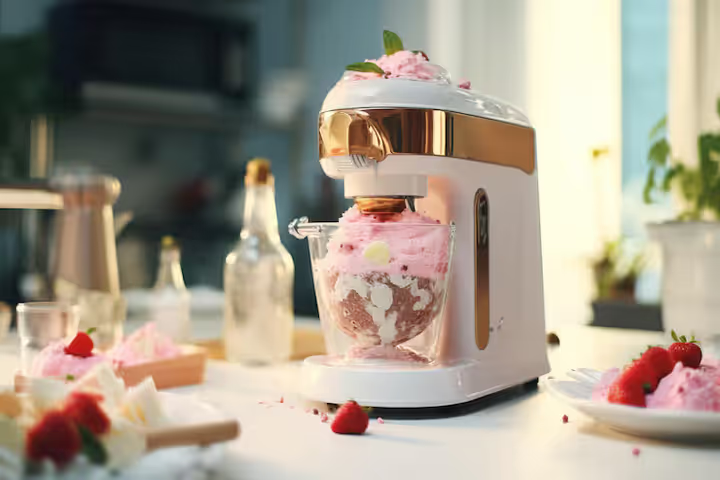
Ice Cream Making Machine Basics for Commercial and Industrial Use
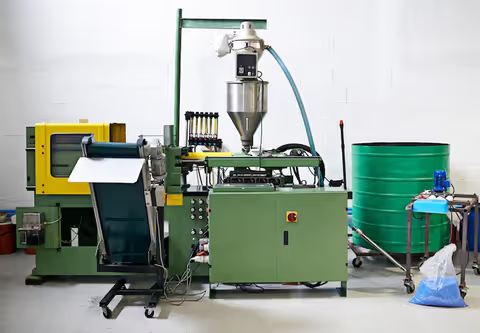
An ice cream making machine is specialized food processing equipment designed to mix, freeze, and churn ingredients into ice cream or frozen desserts. These machines are used in homes, restaurants, cafés, food manufacturing facilities, and large-scale dairy processing plants. They help maintain texture, temperature, and consistency during production.
Ice cream production requires controlled freezing and continuous mixing. Without proper equipment, ice crystals may become too large, affecting texture and taste. Modern machines automate these processes to improve efficiency and hygiene.
The growing demand for frozen desserts, premium gelato, plant-based alternatives, and customized flavors has increased the importance of advanced ice cream production equipment across the food industry.
How Ice Cream Making Machines Work
Ice cream making machines combine ingredients while lowering the mixture temperature. The machine churns the mixture continuously to prevent large ice crystals from forming. Air is also incorporated into the mixture to create a soft and creamy texture.
The basic production process includes:
- Mixing milk, cream, sugar, and flavor ingredients
- Pasteurizing the mixture in some systems
- Cooling and aging the mixture
- Churning and freezing simultaneously
- Dispensing or storing the finished product
Many commercial machines use compressors and refrigeration systems to maintain stable temperatures during operation.
Key Components of an Ice Cream Making Machine
Mixing Chamber
- The mixing chamber holds the ingredients during freezing and blending.
- It is usually made from stainless steel for food safety and durability.
- The refrigeration system cools the mixture rapidly.
- It includes compressors, condensers, and evaporators.
Churning Blade
- The blade rotates continuously to mix ingredients evenly and maintain smooth texture.
- Modern machines include digital control systems that manage temperature, mixing speed, and production cycles.
- Soft serve machines often include dispensing nozzles for direct serving into cups or cones.
Types of Ice Cream Making Machines
| Machine Type | Common Use | Main Features |
|---|---|---|
| Soft Serve Machine | dessert shops | Continuous dispensing and quick freezing |
| Batch Freezer | Small-scale production | Produces ice cream in batches |
| Gelato Machine | Artisan dessert preparation | Lower air content and dense texture |
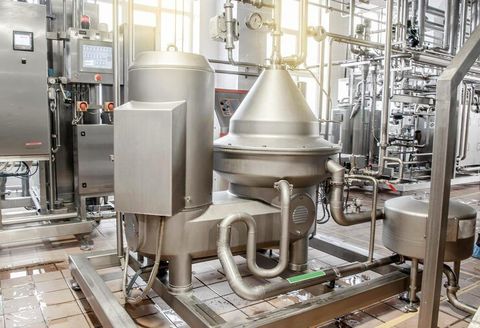
| Industrial Ice Cream Machine | Large factories | High-capacity automated processing |
| Countertop Machine | Home kitchens | Compact and easy operation |
| Continuous Freezer | Commercial manufacturing | Continuous large-volume production |
Importance in Food Production
Ice cream making machines play an important role in maintaining food quality and operational efficiency. They reduce manual effort and help businesses maintain consistent production standards.
These machines support:
- Consistent texture and flavor quality
- Faster production cycles
- Better hygiene management
- Controlled ingredient usage
- Reduced product waste
- Large-scale frozen dessert manufacturing
In industrial settings, automation also helps reduce production downtime and improve energy efficiency.
Real-World Applications
Ice cream making equipment is widely used across multiple industries and business environments.
Restaurants
- Restaurants use compact soft serve and gelato machines to prepare frozen desserts quickly during peak hours.
- Large dairy facilities use industrial continuous freezers and automated systems for mass production.
- Hospitality businesses use premium dessert machines to provide customized frozen treats for guests.
- Food laboratories and culinary institutes use specialized machines to test new flavors and formulations.
- Large retail chains use automated ice cream equipment to standardize dessert quality across locations.
Problems These Machines Help Solve
Traditional manual preparation methods can create inconsistent texture and require significant labor. Ice cream machines solve several production challenges.
Temperature Control Issues
- Modern refrigeration systems maintain stable temperatures throughout the process.
- Continuous churning helps create smooth texture and controlled air incorporation.
- Stainless steel surfaces and automated cleaning systems improve sanitation standards.
- Automated systems speed up preparation and reduce waiting times.
- Programmable systems help control ingredient ratios accurately.
Advanced Features in Modern Machines
Modern ice cream production technology has evolved significantly in recent years. Many manufacturers now integrate smart automation and energy-saving systems.
Digital Automation
- Touchscreen control panels allow operators to adjust temperature, consistency, and production timing.
- New refrigeration systems consume less electricity while maintaining cooling performance.
- Some industrial machines include sensors for temperature monitoring and maintenance alerts.
Automatic Cleaning Systems
- Self-cleaning functions help improve hygiene and reduce cleaning time.
- Advanced soft serve machines can dispense multiple flavors from a single unit.
Industry Trends and Developments
The frozen dessert industry has experienced several technology updates during 2025 and 2026.
Sustainable Refrigeration Technologies
In 2025, many food equipment manufacturers increased the use of eco-friendly refrigerants to reduce environmental impact. Low-emission cooling systems are becoming more common in commercial food processing equipment.
Plant-Based Dessert Production
- Demand for and plant-based frozen desserts increased during 2025.
- Manufacturers introduced machines designed for almond, oat, coconut, and soy-based formulations.
- Industrial food processing plants are integrating Internet of Things (IoT) technology into ice cream production systems.
- These systems help monitor equipment performance remotely.
Compact Commercial Equipment
- Small restaurants and increasingly prefer compact countertop machines that save space while maintaining production efficiency.
- Manufacturers continue enhancing machine sanitation systems to align with stricter food safety regulations introduced in several regions during 2025.
Food Safety Regulations and Industry Standards
Ice cream production equipment must follow food safety and hygiene regulations in many countries.
Food Contact Material Standards
- Machines typically use food-grade stainless steel to reduce contamination risks.
- Commercial food processing equipment must maintain proper cold storage temperatures to prevent bacterial growth.
- Food businesses often follow Hazard Analysis and Critical Control Point (HACCP) principles for safe operation.
- Many countries regulate refrigerants used in commercial cooling systems to reduce environmental impact.
- Businesses operating industrial food machinery may also need to comply with local electrical safety and workplace standards.
Useful Tools and Learning Resources
Several tools and educational resources help professionals understand frozen dessert production and food processing equipment.
Industry Associations
- International Dairy Foods Association
- Global Cold Chain Alliance
- Food Processing Suppliers Association
Learning Platforms
- Food technology certification courses
- Culinary science training programs
- Dairy processing workshops
Equipment Monitoring Software
- Production tracking systems
- Predictive maintenance software
- Temperature monitoring applications
Technical Documentation
Manufacturers often provide manuals covering maintenance, cleaning procedures, and operating guidelines.
Maintenance and Operational Considerations
Regular maintenance helps improve machine lifespan and production efficiency.
Routine Cleaning
- Daily cleaning prevents ingredient buildup and bacterial contamination.
- Regular inspection of refrigeration components helps maintain cooling performance.
- Moving parts may require periodic lubrication to reduce wear.
- Temperature and mixing systems should be calibrated regularly for accurate performance.
- Businesses often maintain replacement components to reduce downtime during repairs.
FAQs
What is the main purpose of an ice cream making machine?
The main purpose is to mix, freeze, and churn ingredients into smooth and consistent frozen desserts.
What is the difference between a batch freezer and a continuous freezer?
A batch freezer produces ice cream in separate batches, while a continuous freezer supports uninterrupted large-scale production.
Why is stainless steel commonly used in these machines?
Stainless steel is durable, corrosion-resistant, and suitable for food safety applications.
Can ice cream machines produce dairy-free desserts?
Yes. Many modern machines support plant-based and dairy-free ingredients such as oat, soy, and almond mixtures.
How often should commercial machines be cleaned?
Commercial machines are usually cleaned daily to maintain hygiene and comply with food safety standards.
Conclusion
Ice cream making machines are essential tools in modern frozen dessert production. They improve efficiency, maintain texture consistency, and support safe food processing practices. From compact countertop equipment to industrial continuous freezers, these machines serve a wide range of production needs.
Recent developments in automation, energy efficiency, sustainable refrigeration, and plant-based dessert processing continue shaping the industry. As food technology evolves, modern ice cream equipment is becoming smarter, safer, and more adaptable for commercial and industrial applications.