Hydrogen Production Machines: Clean Energy Technology Trends
Hydrogen production machines are industrial systems designed to generate hydrogen from different feedstocks and energy sources. Among the technologies gaining attention today, water electrolysis is particularly important because it can use electricity to separate water into hydrogen and oxygen.
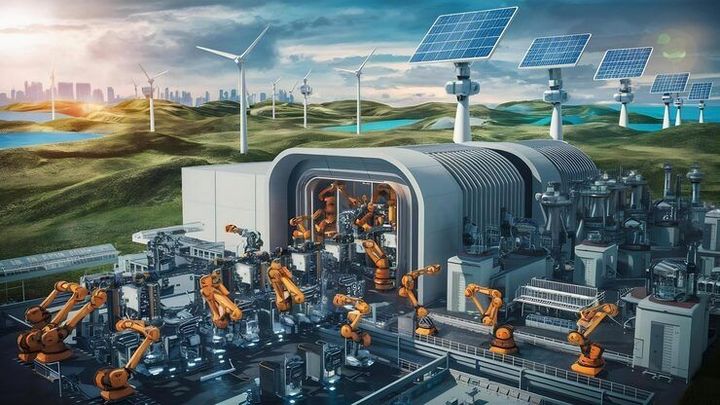
An electrolyzer is the central equipment used in electrolysis-based hydrogen production. It contains an electrochemical system where electricity drives the separation process. Depending on the technology, electrolyzers can be integrated with renewable electricity sources such as solar and wind power.
Hydrogen itself is a versatile energy carrier rather than a primary energy source. It can be used as an industrial feedstock, fuel, energy-storage medium, or input for producing chemicals. This makes hydrogen production equipment relevant to several sectors, including chemicals, refining, steel, shipping, heavy transport, and energy systems.
There are several approaches to hydrogen production. Conventional production commonly uses natural gas or coal, while lower-emission pathways can include electrolysis powered by renewable electricity, natural-gas-based production with carbon management, and other emerging processes.
The term “green hydrogen” is generally associated with hydrogen produced using renewable electricity, although definitions and certification requirements can vary by jurisdiction. The European Commission, for example, applies specific requirements for renewable hydrogen, including additionality and temporal and geographic correlation of renewable electricity.
Modern hydrogen production machines therefore combine electrochemical equipment, power electronics, water treatment, gas separation, cooling, monitoring, compression interfaces, and safety systems.
Why Hydrogen Production Technology Matters Today
Hydrogen production technology matters because some industrial activities are difficult to decarbonize using direct electrification alone. Heavy industrial processes, chemical production, long-distance transport, and certain energy-storage applications may require molecules rather than only electricity.
Hydrogen can potentially address several energy challenges:
- It can provide a low-carbon feedstock for selected industrial processes when produced with low-emission energy.
- It can support the production of lower-emission chemicals and fuels.
- It can help integrate variable renewable electricity into broader energy systems.
- It can provide an energy carrier for applications where batteries may not be practical.
- It can support new industrial pathways for steel, shipping, and other hard-to-abate sectors.
The technology also affects equipment manufacturers, energy developers, industrial facilities, researchers, policymakers, and infrastructure planners.
However, hydrogen should not automatically be considered clean simply because the final product contains no carbon. Its overall environmental performance depends on how the hydrogen is produced, what energy is used, the efficiency of the equipment, and emissions throughout the supply chain.
This distinction is increasingly important as governments introduce certification systems and emissions thresholds. The European Union, for example, has established methodologies for renewable and low-carbon hydrogen based on lifecycle greenhouse-gas performance.
Main Types of Hydrogen Production Machines
Electrolyzer systems can use different electrochemical designs. The most widely discussed technologies include alkaline, proton exchange membrane, and solid oxide systems.
Alkaline electrolyzers use an alkaline electrolyte and have been used for hydrogen generation for many years. They are suitable for larger installations and are an important technology in industrial hydrogen projects.
PEM electrolyzers use a proton exchange membrane. They can respond relatively quickly to changes in electrical input, making them attractive for systems connected to variable renewable electricity.
Solid oxide electrolyzers operate at high temperatures and use ceramic materials. Their operating conditions can provide opportunities for high electrical efficiency when suitable heat is available, although the technology presents different engineering requirements.
Other emerging concepts are also being investigated, including anion exchange membrane systems and membrane-less designs.
A complete hydrogen production plant is more than an electrolyzer. Supporting equipment can include:
- Water purification and treatment systems
- Power conversion equipment
- Cooling systems
- Gas separation and purification units
- Hydrogen drying equipment
- Pressure-control systems
- Sensors and monitoring equipment
- Ventilation and safety systems
- Storage and compression interfaces
The selection depends on hydrogen output, electricity availability, water quality, operating profile, required purity, plant location, and intended application.
Recent Hydrogen Technology Trends
The hydrogen sector has continued to develop rapidly, although the market has also experienced project delays and cancellations. In September 2025, the International Energy Agency reported that the pipeline for low-emission hydrogen projects had become smaller after cancellations and delays, while still expecting strong expansion toward 2030.
This shift suggests that the industry is moving from large-scale announcements toward greater attention to project feasibility, technology performance, infrastructure, electricity availability, and demand.
Another major trend is the development of domestic electrolyzer manufacturing capacity. India’s National Green Hydrogen Mission has supported electrolyzer manufacturing through its Strategic Interventions for Green Hydrogen Transition programme.
By August 2026, India's National Green Hydrogen Mission portal listed approved electrolyzer manufacturing projects with a combined annual manufacturing capacity of 1,500 MW under one group of approved projects, including alkaline, PEM, and other technologies.
Policy development has also continued. India published revised guidelines for Hydrogen Valley Innovation Clusters and Green Hydrogen Hubs on June 27, 2025. In August 2025, it also introduced guidelines for innovative hydrogen production methods and applications not covered by earlier Mission schemes.
In July 2026, India’s Ministry of New and Renewable Energy published a model agreement for “Electrolyser as a Service,” indicating continued experimentation with new approaches to electrolyzer deployment and access.
Globally, technology development is also focusing on improving efficiency, reducing material requirements, increasing operating flexibility, extending equipment life, and integrating electrolyzers with renewable power systems.
Laws, Policies, and Safety Standards
Hydrogen production is affected by energy, environmental, electrical, industrial, transportation, and workplace-safety requirements. Exact requirements depend on the country and the location of a facility.
In India, the National Green Hydrogen Mission is the main policy framework supporting development of the green hydrogen ecosystem. Its objectives include domestic production, use, infrastructure development, technology development, and international market participation. The Mission also includes the SIGHT programme for electrolyzer manufacturing and hydrogen production.
India has also established a Green Hydrogen Standard. The national framework includes requirements related to the emissions associated with hydrogen production.
Safety standards are particularly important because hydrogen is highly flammable and can diffuse rapidly. India's National Green Hydrogen Mission standards database includes IS 16509, based on ISO 22734, covering construction, safety, and performance requirements for hydrogen generators using water electrolysis.
The Indian framework also references standards for process piping, gas transmission systems, hydrogen vent systems, cylinders, and other hydrogen-related infrastructure.
Internationally, regulatory systems are also evolving. In the European Union, renewable hydrogen must meet defined requirements to qualify under the renewable-fuels framework. On July 8, 2025, the EU adopted a delegated act establishing a greenhouse-gas methodology for low-carbon hydrogen and fuels, including a 70% emissions-saving threshold relative to unabated fossil fuels.
For any actual hydrogen facility, applicable national, regional, environmental, electrical, fire-safety, pressure-equipment, and occupational requirements should be reviewed before engineering or commissioning decisions are made.
Useful Tools and Resources for Hydrogen Projects
Understanding hydrogen production involves technical, financial, environmental, and regulatory analysis. Several types of tools can help researchers and planners evaluate projects.
Useful resources include:
- Hydrogen production calculators for estimating electricity and water requirements
- Electrolyzer performance calculators for comparing operating conditions
- Renewable-energy generation models for assessing solar and wind availability
- Lifecycle-emissions calculators for evaluating hydrogen pathways
- Hydrogen safety checklists for identifying operational hazards
- Technical standards databases for equipment and installation requirements
- Energy-system modelling tools for evaluating hydrogen integration
- Government policy portals for tracking new regulations and programmes
- Research databases for reviewing electrolyzer performance and materials
- Project-planning templates for documenting production capacity, utilities, safety systems, and environmental considerations
A useful starting point is to compare electricity consumption, hydrogen output, water requirements, operating flexibility, equipment lifetime, and safety requirements rather than looking at equipment capacity alone.
Frequently Asked Questions
What are hydrogen production machines?
Hydrogen production machines are systems that generate hydrogen from sources such as water, natural gas, or other feedstocks. Electrolyzers are an important type of hydrogen production equipment because they use electricity to split water into hydrogen and oxygen.
What is an electrolyzer?
An electrolyzer is equipment that uses electricity to separate water into hydrogen and oxygen. Different electrolyzer technologies use different materials, electrolytes, operating temperatures, and system designs.
Is hydrogen always a clean energy source?
No. Hydrogen is an energy carrier, and its environmental impact depends on how it is produced. Hydrogen generated using renewable electricity can have lower associated emissions, while conventional production pathways can have substantially higher emissions.
Which electrolyzer technology is best?
There is no single technology that is best for every application. Alkaline, PEM, solid oxide, and emerging electrolyzer systems have different characteristics. The appropriate choice depends on electricity supply, operating conditions, production requirements, water quality, system design, and project objectives.
Why are hydrogen safety standards important?
Hydrogen has properties that require careful engineering, monitoring, ventilation, leak detection, pressure management, and controlled handling. Appropriate standards help guide equipment design, installation, operation, and maintenance.
Conclusion
Hydrogen production machines are becoming an important part of the wider clean energy technology landscape. Electrolyzers, renewable electricity integration, water treatment, gas purification, monitoring, and safety systems are developing together as the industry moves toward larger and more sophisticated hydrogen facilities.