Hydraulic Pumps: Advanced Fluid Power Systems & Heavy-Duty Industrial Applications Guide
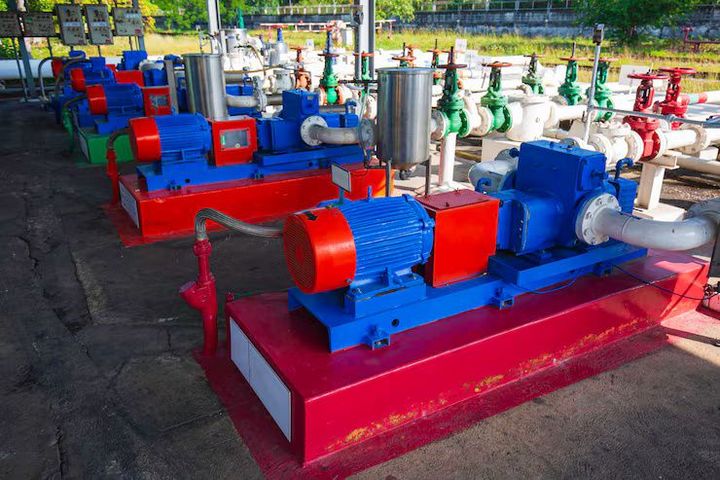
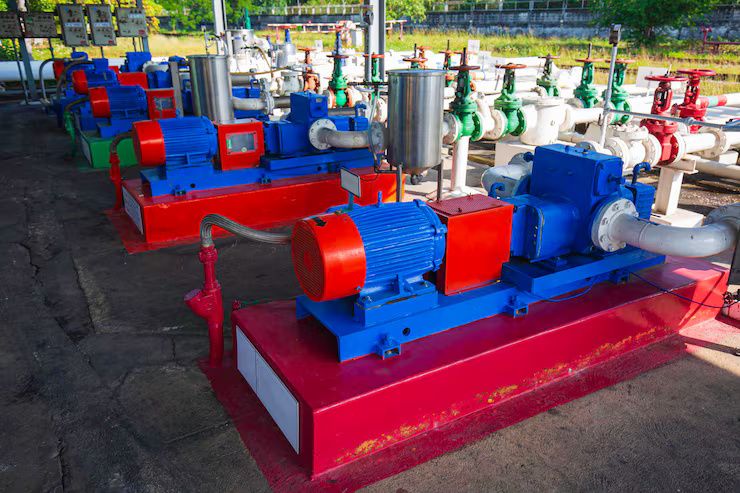
Hydraulic pumps are mechanical devices used to move fluid within hydraulic systems to generate pressure and transfer power. These pumps are important components in industrial machinery, construction equipment, manufacturing systems, agricultural vehicles, mining operations, and transportation infrastructure.
Hydraulic pumps help convert mechanical energy into fluid energy, allowing machines to perform lifting, pressing, moving, and positioning tasks.
The development of hydraulic technology expanded during industrial growth and heavy machinery production. Early hydraulic systems used simple water-powered mechanisms, while modern fluid power systems now operate with specialized hydraulic oils, precision controls, and automated monitoring technologies. Today, hydraulic pumps are widely used in heavy-duty industrial applications where high force and controlled motion are required.
Common hydraulic pump categories include gear pumps, piston pumps, vane pumps, and screw pumps. These systems are often connected to valves, cylinders, motors, reservoirs, and pressure control units to create complete hydraulic power systems.
Importance
Hydraulic pumps play an important role in industrial operations because they provide controlled force and motion for machines handling heavy loads and complex mechanical tasks.
Power Transmission in Industrial Equipment
Fluid power systems transfer energy through pressurized hydraulic fluid. Hydraulic pumps generate the flow needed to operate cylinders, motors, and lifting mechanisms in industrial machinery.
Applications commonly include:
- Heavy equipment lifting
- Industrial pressing operations
- Construction machinery movement
- Manufacturing automation systems
These systems are widely used where mechanical force and operational precision are necessary.
Support for Heavy-Duty Applications
Hydraulic pumps are commonly used in industries requiring equipment capable of handling large loads and difficult operating environments.
Industries using hydraulic pump systems include:
| Industry | Hydraulic Application | Equipment Example |
|---|---|---|
| Construction | Excavation and lifting | Excavators and cranes |
| Manufacturing | Press operations | Hydraulic presses |
| Agriculture | Equipment movement | Tractors and harvesters |
| Mining | Material handling | Drilling machinery |
| Transportation | Braking and lifting systems | Heavy vehicles |
Hydraulic technology supports stable machine operation in demanding industrial conditions.
Precision and Motion Control
Hydraulic systems help operators control movement speed, pressure, and positioning with high accuracy. This control is important in machinery requiring smooth and stable operation.
Examples include:
- Robotic industrial arms
- Injection molding machines
- Aircraft control systems
- Industrial cutting equipment
Fluid power systems allow controlled force generation across different operational settings.
Equipment Durability
Many hydraulic systems are designed for continuous industrial use under high-pressure conditions. Properly maintained hydraulic pumps can operate in environments involving heavy vibration, dust, moisture, and temperature variation.
Types of Hydraulic Pumps
Different hydraulic pump designs are used depending on pressure requirements, fluid flow conditions, and industrial applications.
Gear Pumps
Gear pumps are among the most commonly used hydraulic pumps in industrial equipment. They operate using rotating gears that move hydraulic fluid through the system.
Characteristics include:
- Simple mechanical design
- Stable fluid flow
- Compatibility with medium-pressure systems
Gear pumps are commonly used in agricultural equipment and material handling machinery.
Piston Pumps
Piston pumps use reciprocating pistons to generate high-pressure fluid movement. These pumps are widely used in heavy-duty industrial applications requiring precise pressure control.
Common applications include:
- Construction equipment
- Industrial presses
- Mining machinery
- Aerospace hydraulic systems
Piston pumps are suitable for high-pressure operations.
Vane Pumps
Vane pumps use rotating vanes mounted inside a housing to move hydraulic fluid. These systems are often used where quiet operation and stable fluid flow are important.
Applications may include:
- Manufacturing systems
- Automotive equipment
- Industrial automation machinery
Screw Pumps
Screw pumps move fluid using rotating screw mechanisms. These pumps are commonly used in systems requiring continuous and low-pulsation fluid flow.
Typical uses include:
- Lubrication systems
- Marine equipment
- Industrial processing systems
Advanced Fluid Power Systems
Modern hydraulic technology increasingly combines digital controls, sensors, and automation systems to improve industrial performance.
Hydraulic Control Systems
Fluid power systems use valves and electronic controls to manage pressure, speed, and movement direction.
Control components may include:
- Pressure relief valves
- Flow control valves
- Directional control systems
- Electronic control modules
These systems help maintain operational stability in industrial machinery.
Smart Monitoring Technology
Many hydraulic systems now include digital monitoring platforms that track pressure levels, fluid temperature, and equipment performance.
Monitoring functions may involve:
- Pressure analysis
- Leak detection
- Predictive maintenance alerts
- Temperature monitoring
Digital systems support maintenance planning and operational management.
Energy-Efficient Hydraulic Systems
Manufacturers are developing hydraulic pumps designed to reduce energy consumption and improve fluid efficiency.
Recent developments include:
- Variable displacement pumps
- Load-sensing hydraulic systems
- Energy recovery technology
- Electric-hydraulic integration
These systems help improve equipment efficiency in industrial operations.
Heavy-Duty Industrial Applications
Hydraulic pumps are widely used in industries requiring strong lifting force, controlled motion, and reliable equipment performance.
Construction Equipment
Construction machinery relies heavily on hydraulic power systems for movement and lifting operations.
Common hydraulic equipment includes:
- Excavators
- Bulldozers
- Mobile cranes
- Concrete pumps
Hydraulic pumps provide the force needed for digging, lifting, and positioning operations.
Manufacturing and Metal Processing
Factories use hydraulic systems in machinery designed for pressing, forming, cutting, and automation.
Industrial applications include:
- Hydraulic press machines
- Injection molding equipment
- Metal stamping systems
- Industrial lifting platforms
Mining and Resource Extraction
Mining operations use hydraulic pumps in drilling equipment, material transport systems, and underground machinery.
Hydraulic systems help support:
- Heavy-load movement
- Drilling operations
- Ore transport equipment
- Material handling systems
Transportation and Aerospace
Hydraulic technology is also important in transportation infrastructure and aircraft systems.
Applications include:
- Aircraft landing gear systems
- Heavy vehicle braking systems
- Railway maintenance equipment
- Cargo lifting machinery
Recent Updates
Between 2024 and 2026, hydraulic pumps and fluid power systems continued evolving through automation, energy management improvements, and digital integration.
Growth of Smart Hydraulic Systems
Manufacturers increasingly use sensors and connected monitoring platforms within hydraulic equipment.
Recent developments include:
- Remote diagnostics
- Automated pressure control
- Real-time equipment monitoring
- Predictive maintenance software
These systems help improve operational visibility and maintenance efficiency.
Expansion of Electric-Hydraulic Technology
Industries are adopting electric-powered hydraulic systems designed to reduce fuel usage and improve energy management.
Applications include:
- Electric construction equipment
- Hybrid industrial machinery
- Battery-supported hydraulic platforms
Improved Fluid Management
Hydraulic fluid technology continues advancing to support equipment durability and operational stability.
Recent developments involve:
- Environmentally focused hydraulic fluids
- High-temperature fluid performance
- Reduced contamination systems
Automation in Heavy Equipment
Hydraulic pumps are increasingly integrated into automated industrial equipment and robotics systems used in manufacturing and warehousing operations.
Laws or Policies
Hydraulic systems and heavy-duty industrial equipment are influenced by safety standards, environmental regulations, and machinery inspection rules.
Workplace Safety Regulations
Industrial facilities using hydraulic equipment generally follow safety requirements related to:
- Pressure system inspection
- Emergency shutdown procedures
- Hydraulic hose maintenance
- Operator training
Safety standards help reduce operational risks associated with high-pressure systems.
Environmental Regulations
Environmental policies may regulate hydraulic fluid handling and industrial emissions management.
Areas often covered include:
- Fluid leak prevention
- Waste oil disposal
- Equipment emissions control
- Spill containment systems
Equipment Standards and Certification
Hydraulic equipment manufacturers often follow technical standards related to:
- Pressure ratings
- Fluid system safety
- Component testing
- Equipment durability
Certification requirements vary depending on industrial application and operating conditions.
Tools and Resources
Several technical tools and digital systems support hydraulic pump operation, maintenance, and system planning.
Hydraulic System Design Software
Engineering software helps technicians design hydraulic circuits and simulate pressure conditions.
Functions may include:
- Fluid flow analysis
- Pressure calculations
- Component selection
- System performance modeling
Monitoring and Diagnostic Platforms
Digital monitoring tools track hydraulic equipment performance and maintenance schedules.
Common functions include:
- Pressure monitoring
- Fluid temperature tracking
- Leak detection analysis
- Equipment diagnostics
Technical Standards and Manuals
Industrial references provide guidance for hydraulic system operation and maintenance.
Resources may include:
- Hydraulic fluid compatibility charts
- Pressure rating references
- Equipment maintenance manuals
- Safety inspection documentation
FAQs
What are hydraulic pumps used for?
Hydraulic pumps are used to generate fluid flow and pressure within hydraulic systems that power industrial machinery, construction equipment, and heavy-duty applications.
Which industries use advanced fluid power systems?
Industries commonly using advanced fluid power systems include construction, manufacturing, mining, agriculture, transportation, and aerospace operations.
What is the difference between gear pumps and piston pumps?
Gear pumps use rotating gears for fluid movement and are common in medium-pressure systems, while piston pumps use reciprocating pistons and are designed for high-pressure applications.
Why are hydraulic pumps important in heavy-duty industrial applications?
Hydraulic pumps provide controlled force and motion needed for lifting, pressing, digging, and material handling operations in demanding industrial environments.
How do smart hydraulic systems improve industrial operations?
Smart hydraulic systems use sensors and digital monitoring tools to track equipment performance, detect maintenance issues, and improve operational efficiency.
Conclusion
Hydraulic pumps are important components in modern fluid power systems and heavy-duty industrial applications. These systems help generate controlled force and movement for machinery used in construction, manufacturing, mining, transportation, and industrial automation. Different hydraulic pump types are designed for specific pressure and operational requirements, supporting a wide range of industrial equipment. Recent developments in digital monitoring, electric-hydraulic integration, and energy-efficient systems continue shaping hydraulic technology. Safety regulations, environmental standards, and equipment certification requirements also influence hydraulic system design and operation.