Hydraulic Press Machines Guide: Metal Forming Systems & Industrial Manufacturing Applications
Hydraulic press machines are industrial systems that use hydraulic pressure to shape, compress, bend, stamp, or form metal and other materials during manufacturing processes. These machines are widely used in automotive production, metal fabrication, aerospace engineering, construction equipment manufacturing, and heavy industrial operations. Hydraulic press systems operate through fluid pressure generated inside hydraulic cylinders, allowing controlled force application for different production tasks.
The development of hydraulic press technology began with early hydraulic engineering principles that used fluid pressure for lifting and mechanical movement. Over time, industrial manufacturing adopted hydraulic systems because they could generate high force with controlled precision.
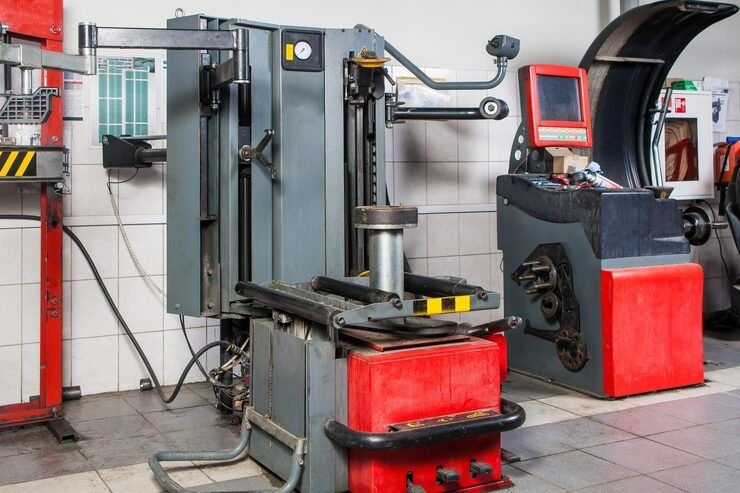
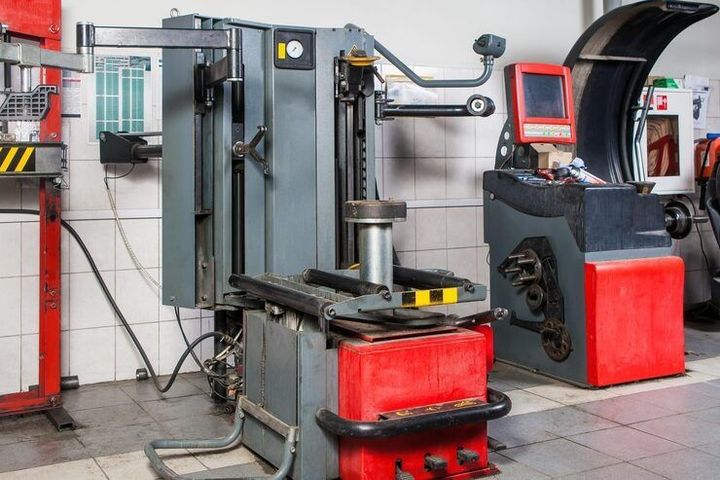
Hydraulic press machines are commonly used for operations such as sheet metal forming, forging, punching, deep drawing, molding, and compression applications. These systems are important in industries requiring high-pressure forming and material shaping processes.
Importance
Hydraulic press machines are important because they support industrial manufacturing processes involving high-force metal forming and material processing. Many industries rely on hydraulic systems to produce machine parts, structural components, and industrial equipment.
Metal Forming and Shaping
Hydraulic press machines apply controlled pressure to reshape metal sheets and industrial materials into specific forms. This process helps manufacturers produce components with consistent dimensions and structural properties.
Common forming applications include:
- Metal bending
- Stamping operations
- Deep drawing processes
- Compression molding
These operations are widely used in automotive and heavy equipment manufacturing.
Support for Industrial Manufacturing
Many industrial sectors depend on hydraulic press systems for large-scale production activities. Press machines help manage repetitive manufacturing operations while maintaining production consistency.
Industries using hydraulic press machines include:
| Industry | Press Machine Application | Manufacturing Purpose |
|---|---|---|
| Automotive | Body panel forming | Vehicle component production |
| Aerospace | Precision metal shaping | Aircraft structure manufacturing |
| Construction Equipment | Steel plate pressing | Heavy machinery components |
| Electronics | Component stamping | Precision part manufacturing |
| Metal Fabrication | Sheet metal processing | Industrial product assembly |
These systems are integrated into broader industrial production lines.
High Force Production Capability
Hydraulic systems can generate significant pressure while maintaining controlled movement. This makes hydraulic press machines suitable for heavy industrial applications requiring large forming force.
Important operational characteristics include:
- Adjustable pressure control
- Stable force distribution
- Smooth machine operation
- Compatibility with automated systems
Hydraulic presses are commonly used when mechanical systems require precise pressure application.
Material Processing Flexibility
Hydraulic press machines can process different materials, including steel, aluminum, plastics, rubber, and composite materials. Manufacturers often use hydraulic systems for multiple production applications within the same facility.
Metal Forming Systems
Metal forming systems use hydraulic pressure and specialized tooling to shape industrial materials into required structures and components.
Sheet Metal Forming
Sheet metal forming is one of the most common hydraulic press applications. Metal sheets are pressed into molds or dies to create specific shapes and structural parts.
Common products include:
- Vehicle body panels
- Industrial enclosures
- Appliance components
- Structural brackets
Hydraulic systems help maintain accurate pressure during the forming process.
Forging Operations
Forging uses compressive force to shape heated metal into stronger industrial components. Hydraulic forging presses are commonly used in aerospace, automotive, and heavy equipment production.
Forging processes may produce:
- Shafts
- Gears
- Industrial fasteners
- Structural machine parts
This method improves material strength and durability.
Compression Molding
Compression molding uses hydraulic pressure to shape materials such as rubber, plastics, and composites inside heated molds.
Applications include:
- Industrial seals
- Composite panels
- Automotive interior components
- Electrical insulation products
Hydraulic control helps distribute pressure evenly during molding operations.
Punching and Stamping
Hydraulic presses are also used for punching holes, cutting patterns, and stamping metal components.
Typical applications include:
- Electrical panel production
- Metal brackets
- Industrial hardware
- Precision manufacturing parts
These processes support mass production environments requiring repetitive operations.
Production Process
Hydraulic press machine manufacturing involves engineering design, component fabrication, assembly, hydraulic integration, and operational testing.
Engineering and System Design
Manufacturers begin by designing the press structure, hydraulic systems, and operational controls. Engineers evaluate machine force capacity, frame stability, pressure requirements, and production applications.
Design planning often includes:
- Hydraulic cylinder sizing
- Frame structure analysis
- Pump selection
- Control system integration
These factors influence machine performance and operational reliability.
Component Manufacturing
Hydraulic press machines contain multiple heavy-duty mechanical and hydraulic components.
Important machine parts include:
- Hydraulic cylinders
- Steel frames
- Hydraulic pumps
- Pressure valves
- Electrical control systems
- Press tooling assemblies
Precision machining is important during component production.
Hydraulic System Integration
Hydraulic systems are assembled using pumps, hoses, valves, reservoirs, and fluid control units. Hydraulic oil pressure drives the movement of press cylinders during operation.
Integrated systems help manage:
- Pressure regulation
- Cylinder movement
- Force distribution
- Machine speed control
These systems are central to hydraulic press operation.
Assembly and Calibration
During assembly, machine structures, hydraulic systems, and control units are connected into complete production systems.
Calibration procedures may involve:
- Pressure adjustment
- Cylinder alignment
- Sensor verification
- Operational speed testing
Proper calibration supports production accuracy and safe machine operation.
Testing and Inspection
Hydraulic press machines undergo operational testing before industrial installation.
Testing procedures often include:
- Pressure performance analysis
- Hydraulic leak inspection
- Structural load testing
- Safety system verification
- Operational cycle testing
Inspection processes help confirm machine functionality and reliability.
Industrial Manufacturing Applications
Hydraulic press machines are used across many industrial manufacturing sectors requiring force-based forming and shaping operations.
Automotive Manufacturing
Automotive factories use hydraulic press systems to produce body panels, chassis components, and structural vehicle parts.
Applications include:
- Door panel forming
- Frame component production
- Brake component manufacturing
- Interior part molding
These systems support large-scale automotive production operations.
Aerospace Engineering
Aerospace manufacturers use hydraulic presses for precision metal forming and high-strength component production.
Common aerospace applications include:
- Aircraft structural parts
- Turbine components
- Composite material shaping
- Precision alloy forming
Hydraulic systems support controlled forming of specialized materials.
Construction and Heavy Equipment
Heavy machinery production facilities use hydraulic presses to shape steel structures and industrial equipment components.
Products may include:
- Excavator parts
- Structural steel plates
- Industrial machine frames
- Hydraulic equipment components
Consumer and Industrial Goods
Hydraulic press machines are also used in appliance manufacturing, electronics production, and industrial equipment assembly.
Applications include:
- Metal casing production
- Electrical panel fabrication
- Household appliance components
- Industrial hardware manufacturing
Recent Updates
Between 2024 and 2026, hydraulic press machines and metal forming systems experienced several developments related to automation, monitoring systems, and energy efficiency.
Smart Hydraulic Monitoring
Modern hydraulic press systems increasingly include digital monitoring platforms that track machine pressure, cycle performance, and maintenance conditions.
Recent monitoring features include:
- Real-time pressure analysis
- Predictive maintenance alerts
- Production tracking systems
- Remote diagnostics
These systems support industrial automation and machine management.
Servo-Hydraulic Technology
Manufacturers are integrating servo-controlled hydraulic systems to improve operational precision and energy management.
Advantages of servo-hydraulic systems include:
- Reduced energy consumption
- Improved movement accuracy
- Adjustable machine speed
- Lower operational noise
Automation Integration
Hydraulic press machines are increasingly connected with robotic handling systems and automated production lines.
Automation developments include:
- Robotic material loading
- Automated tool changing
- Sensor-based production control
- Machine vision inspection systems
Focus on Energy Efficiency
Industrial facilities are also modernizing hydraulic systems with energy-efficient motors and optimized fluid management technologies.
Laws or Policies
Hydraulic press machine operations are influenced by workplace safety standards, industrial equipment regulations, and environmental requirements.
Industrial Safety Regulations
Factories operating hydraulic press systems generally follow safety rules related to:
- Machine guarding
- Emergency stop systems
- Operator safety training
- Hydraulic pressure control
Safety inspections may evaluate machine protection systems and operational procedures.
Environmental Compliance
Hydraulic systems may also be regulated through environmental policies related to:
- Hydraulic fluid management
- Noise control
- Industrial emissions
- Waste oil disposal
Facilities often maintain procedures for handling hydraulic fluids and industrial waste materials.
Equipment Certification Standards
Industrial press machines may require compliance with technical standards involving:
- Structural safety
- Pressure system reliability
- Electrical system protection
- Operational testing procedures
Certification requirements vary depending on industrial application and regional regulations.
Tools and Resources
Several digital tools and industrial platforms support hydraulic press machine design, monitoring, and maintenance activities.
CAD and Simulation Software
Engineering software helps manufacturers design press structures and simulate metal forming operations.
Common software functions include:
- 3D machine modeling
- Structural stress analysis
- Hydraulic system simulation
- Tooling design
Hydraulic Monitoring Systems
Digital monitoring systems help operators track machine performance and hydraulic conditions.
Monitoring functions may include:
- Pressure measurement
- Oil temperature tracking
- Cycle counting
- Maintenance scheduling
Testing and Calibration Equipment
Manufacturers use specialized tools for hydraulic system inspection and machine verification.
Common equipment includes:
- Pressure testing devices
- Flow measurement systems
- Leak detection tools
- Alignment inspection instruments
FAQs
What are hydraulic press machines used for?
Hydraulic press machines are used for metal forming, stamping, bending, molding, compression, and industrial shaping processes across manufacturing industries.
How do metal forming systems work?
Metal forming systems use hydraulic pressure and specialized tooling to reshape metal sheets and industrial materials into required forms and structures.
Which industries use hydraulic press machines?
Industries using hydraulic press machines include automotive manufacturing, aerospace engineering, construction equipment production, metal fabrication, and electronics manufacturing.
What is the difference between hydraulic and mechanical press machines?
Hydraulic press machines use fluid pressure for controlled force application, while mechanical presses operate through rotating mechanical systems and flywheel motion.
How are hydraulic press machines tested before industrial use?
Hydraulic press machines are tested through pressure analysis, structural inspection, hydraulic leak checks, operational cycle testing, and safety verification procedures.
Conclusion
Hydraulic press machines are important industrial systems used for metal forming, compression, and material shaping operations across multiple manufacturing sectors. These machines support automotive production, aerospace engineering, construction equipment manufacturing, and industrial fabrication processes through controlled hydraulic pressure systems. The manufacturing process combines engineering design, hydraulic integration, assembly, and testing procedures to produce reliable industrial equipment. Recent developments in automation, smart monitoring, and servo-hydraulic technology continue influencing hydraulic press machine operations. Industrial safety standards and environmental regulations also shape how hydraulic press systems are manufactured and used in industrial environments.