Exploring Interior Design With Space Planning Decor and Lifestyle Insights
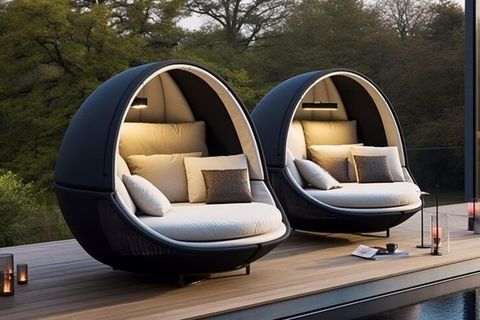
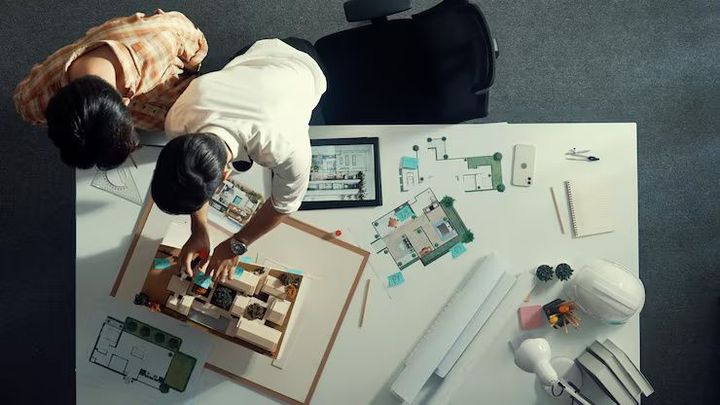
Interior design is the process of planning and organizing indoor environments to improve functionality, comfort, visual appeal, and lifestyle compatibility. It combines space planning, furniture arrangement, lighting selection, color coordination, decorative elements, and material choices to create balanced and practical living or working environments. Interior design focuses not only on appearance but also on how spaces support daily activities, movement, and emotional comfort.
Globally, interior design continues evolving as people increasingly prioritize home comfort, flexible living arrangements, and wellness-focused environments. According to global home and lifestyle research, individuals are investing more attention in organized spaces, ergonomic layouts, natural lighting, and decor choices that support productivity and relaxation. This reflects the broader trend toward lifestyle-centered design and personalized living environments.
In practical applications, interior design influences residential homes, apartments, hospitality environments, offices, retail spaces, and wellness-focused interiors. Effective space planning may help improve movement flow, storage organization, lighting balance, and overall comfort. Understanding how interior design supports functionality and lifestyle preferences highlights its growing importance in modern living and architectural planning environments.
Who It Affects & Problems It Solves
Interior design affects a wide global audience, including homeowners, apartment residents, families, office workers, hospitality businesses, property developers, and lifestyle-focused consumers. Interior designers, architects, furniture manufacturers, and home improvement professionals also play important roles in shaping functional and visually balanced spaces.
Without organized space planning and thoughtful design, indoor environments may feel crowded, inefficient, uncomfortable, or visually unbalanced. Poor furniture placement, limited storage organization, inadequate lighting, or inconsistent decor choices may reduce functionality and affect overall comfort. Interior design helps solve these challenges by improving space efficiency, visual harmony, and practical usability.
A common scenario involves individuals living or working in spaces with limited organization, poor lighting distribution, or inefficient furniture arrangements. Over time, these conditions may affect comfort, productivity, and emotional relaxation. Interior design improves daily living environments by balancing aesthetics with functionality and supporting more organized routines. These practical advantages naturally lead into recent developments shaping interior design trends and lifestyle-focused environments.
Recent Updates
Over the past year, interior design trends have evolved significantly through increased focus on multifunctional spaces and wellness-centered environments. Homeowners and designers increasingly prioritize layouts that support remote work, relaxation, entertainment, and flexible daily routines within shared living spaces.
Another important trend is the growing use of sustainable materials and environmentally conscious decor choices. Industry data suggests that consumers increasingly value natural materials, energy-efficient lighting, recyclable furnishings, and long-lasting design elements when planning interiors.
Smart home integration has also become more advanced. Modern interiors increasingly include automated lighting systems, connected climate controls, voice-assisted technology, and digital security features that improve convenience and operational efficiency.
Additionally, minimalist design styles and calming visual environments continue gaining popularity. Neutral color palettes, natural textures, open layouts, and uncluttered arrangements are increasingly used to support emotional comfort and visual balance. These developments provide useful context for comparing common interior design styles and space planning approaches.
Comparison Table
The table below compares common interior design approaches based on functionality, decor style, and lifestyle compatibility.
| Interior Design Style | Main Focus | Common Features | Lifestyle Benefit | Space Planning Impact |
|---|---|---|---|---|
| Minimalist Design | Simplicity and organization | Neutral colors and open layouts | Reduced visual stress | Improved movement flow |
| Modern Design | Clean functionality | Sleek furniture and balanced lighting | Contemporary comfort | Efficient space usage |
| Traditional Design | Timeless decor | Detailed furniture and classic textures | Warm atmosphere | Structured room arrangement |
| Scandinavian Design | Comfort and practicality | Natural materials and soft lighting | Relaxed environment | Open functional layouts |
| Industrial Design | Raw architectural style | Metal finishes and exposed textures | Urban character | Flexible layouts |
| Bohemian Design | Creative expression | Layered decor and mixed textures | Personalized atmosphere | Informal arrangement |
| Luxury Interior Design | Premium comfort | High-end materials and statement decor | Elevated living experience | Spacious planning |
| Smart Home Interiors | Technology integration | Automated systems and digital controls | Increased convenience | Optimized functionality |
| Wellness Focused Interiors | Relaxation and balance | Natural lighting and calming colors | Emotional comfort | Peaceful layouts |
| Multifunctional Spaces | Flexible usability | Modular furniture and adaptable zones | Better lifestyle adaptability | Maximum efficiency |
The comparison shows that different interior design styles support different lifestyle goals, visual preferences, and space planning needs. Combining functionality with comfort and visual balance often helps improve long-term living experiences. Understanding these distinctions naturally leads into practical guidance and home planning considerations.
Regulations & Practical Guidance
In many countries, interior design and home planning practices are encouraged to follow building safety, accessibility, and material quality standards. These approaches generally focus on safe furniture placement, proper lighting conditions, ventilation support, and durable material selection within indoor environments.
Globally, homeowners and designers increasingly prioritize flexibility and wellness when planning interiors. Functional layouts, natural lighting, ergonomic furniture, and organized storage systems are commonly used to improve comfort and support balanced daily routines.
Another important consideration is balancing aesthetics with practicality. While decorative trends may change over time, long-term comfort and functional usability often remain important priorities when designing living and working environments.
Which Option Suits Your Situation?
For individuals seeking calm and organized living environments, minimalist and Scandinavian interior styles may support relaxation, simplicity, and efficient space usage.
For people prioritizing technology integration and convenience, smart home interiors and multifunctional layouts may improve operational flexibility and support modern daily routines.
For homeowners interested in traditional elegance and timeless decor, classic furniture arrangements and structured room planning may provide long-term visual appeal and balanced functionality.
For individuals focused on emotional comfort and wellness, natural lighting, soft textures, and wellness-focused interior layouts may support relaxation and healthier living environments. Choosing the right interior design approach depends on lifestyle preferences, room size, functionality needs, and visual priorities. These considerations naturally lead into useful tools and resources.
Tools & Resources
Several tools and resources can help individuals better understand and manage interior design planning effectively.
Room Planning Applications — support furniture arrangement and layout visualization.
Color Palette Tools — help coordinate wall colors, decor themes, and visual balance.
Lighting Design Platforms — improve room brightness planning and ambiance management.
Furniture Measurement Tools — assist with accurate space planning and room organization.
Home Decor Inspiration Platforms — provide design style references and creative planning ideas.
Interior Design Communities — enable individuals to exchange decor insights and lifestyle-focused planning strategies.
These resources support informed design decisions and organized space planning, leading naturally into frequently asked questions.
Frequently Asked Questions
What is interior design?
Interior design is the process of planning and organizing indoor spaces to improve functionality, comfort, visual appeal, and lifestyle compatibility.
Why is space planning important in interior design?
Space planning helps improve movement flow, furniture arrangement, storage organization, and overall usability within living or working environments.
What factors influence interior design choices?
Lifestyle needs, room size, lighting conditions, furniture preferences, storage requirements, and visual style preferences commonly influence interior design decisions.
What is a common misconception about interior design?
A common misconception is that interior design focuses only on decoration. In reality, it also involves functionality, organization, comfort, and efficient space usage.
How can individuals improve interior spaces effectively?
Individuals often improve interiors by organizing layouts carefully, balancing lighting and color choices, selecting practical furniture, and maintaining uncluttered environments.
Conclusion
Interior design plays an important role in supporting comfort, functionality, and lifestyle-focused living environments within modern homes and workplaces. Its combination of space planning, decor coordination, and practical organization helps improve both visual appeal and daily usability.
For most individuals, successful interior design involves balancing aesthetics, comfort, storage organization, and long-term functionality. Thoughtful planning and adaptable layouts often contribute to more comfortable and visually balanced living experiences.
As global lifestyle trends and home design technologies continue evolving, interior design is expected to become more flexible, wellness-focused, and integrated with smart technology and sustainable living practices.