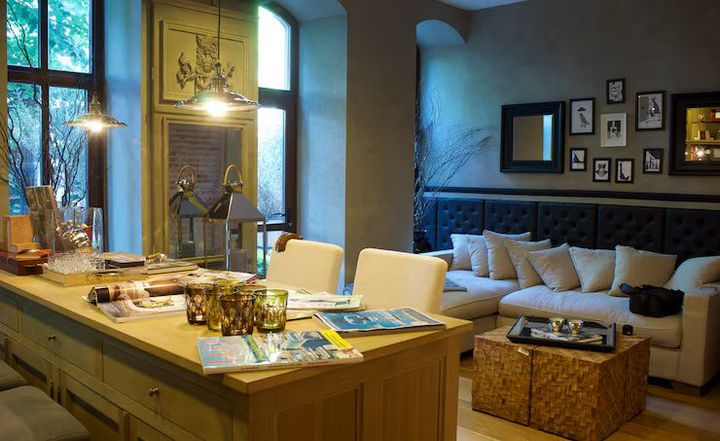
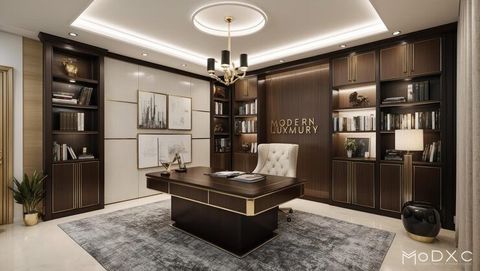
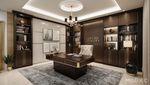
The importance of contemporary design has grown due to urban living constraints, smaller spaces, and the need for multifunctional environments. People are seeking interiors that combine comfort, efficiency, and visual appeal.
Recent trends include sustainable materials, smart home integration, and minimalistic aesthetics. Open-plan living, natural lighting, and flexible furniture arrangements are becoming common. Understanding contemporary design concepts helps individuals create spaces that are both practical and visually appealing.
Who It Affects and What Problems It Solves
Contemporary interior design is relevant for homeowners, renters, architects, interior designers, and real estate developers. These stakeholders aim to create spaces that are functional, efficient, and aligned with modern living standards.
Traditional layouts may not meet the needs of today’s dynamic lifestyles. Contemporary design addresses these challenges by focusing on adaptability and efficient use of space.
Problems It Helps Solve
-
Limited space in urban homes
-
Inefficient room layouts
-
Lack of natural light and ventilation
-
Cluttered and unorganized interiors
-
Difficulty balancing aesthetics and functionality
-
Inflexible living spaces
Recent Updates and Trends
In the past year, contemporary interior design has evolved with a strong focus on sustainability and technology. Eco-friendly materials such as recycled wood and low-impact finishes are gaining popularity.
Smart home systems are being integrated into interior design, allowing automated control of lighting, temperature, and security. This improves convenience and energy efficiency.
Biophilic design, which incorporates natural elements like plants and natural light, is becoming more common. This approach enhances well-being and creates a calming environment.
Multifunctional furniture is also trending, especially in smaller spaces. These designs allow rooms to serve multiple purposes without compromising comfort.
Neutral color palettes combined with bold accents are being used to create balanced and visually appealing interiors.
Core Elements of Contemporary Interior Design
| Element | Description | Purpose | Outcome |
|---|
| Open Layout | Minimal walls and partitions | Space optimization | Spacious feel |
| Neutral Colors | Use of whites, greys, and earth tones | Visual balance | Calm environment |
| Natural Lighting | Large windows and light sources | Bright interiors | Energy efficiency |
| Minimal Decor | Limited decorative elements | Reduce clutter | Clean appearance |
| Functional Furniture | Practical and adaptable pieces | Space utilization | Convenience |
These elements define contemporary living spaces.
Space Planning and Layout Strategies
| Area | Strategy | Purpose | Result |
|---|
| Living Room | Open seating arrangement | Social interaction | Comfortable space |
| Kitchen | Modular and compact design | Efficiency | Organized workflow |
| Bedroom | Minimal furniture | Relaxation | Clutter-free environment |
| Workspace | Dedicated or flexible area | Productivity | Work-life balance |
| Storage | Built-in solutions | Organization | Space optimization |
Effective planning enhances functionality and comfort.
Materials and Finishes in Contemporary Design
| Material Type | Description | Advantages | Considerations |
|---|
| Wood | Natural and versatile | Warmth and texture | Maintenance |
| Glass | Transparent surfaces | Light enhancement | Fragility |
| Metal | Modern and durable | Strength | Industrial look |
| Stone | Natural and durable | Aesthetic appeal | Cost |
| Composite Materials | Engineered materials | Flexibility | Environmental impact |
Material selection influences both aesthetics and durability.
Lighting and Ambience
Lighting plays a crucial role in contemporary interiors by enhancing both functionality and mood.
| Lighting Type | Description | Application | Effect |
|---|
| Ambient Lighting | General illumination | Entire space | Balanced brightness |
| Task Lighting | Focused lighting | Work areas | Improved visibility |
| Accent Lighting | Highlight features | Decorative elements | Visual interest |
Proper lighting design improves usability and aesthetics.
Performance Factors and Design Optimization
| Factor | Description | Importance | Result |
|---|
| Space Efficiency | Optimal use of available area | Maximizes functionality | Better living experience |
| Flexibility | Adaptable design elements | Supports changing needs | Long-term usability |
| Comfort | Ergonomic and user-friendly design | Enhances well-being | Satisfaction |
| Sustainability | Use of eco-friendly materials | Environmental impact | Responsible design |
| Technology Integration | Smart systems | Convenience | Modern living |
Optimizing these factors improves design outcomes.
Applications in Modern Living
Contemporary interior design is widely used in apartments, houses, offices, and commercial spaces. In urban apartments, it helps maximize limited space and improve functionality.
In residential homes, it creates comfortable and visually appealing environments. Offices use contemporary design to enhance productivity and collaboration.
Retail and hospitality spaces adopt modern design concepts to improve customer experience. These applications demonstrate the versatility of contemporary design.
Laws and Policies Related to Interior Design
Interior design is influenced by building codes, safety standards, and environmental regulations. These policies ensure safe and sustainable living environments.
In India, construction and interior practices must comply with guidelines from the Bureau of Indian Standards. These standards address safety, materials, and structural requirements.
Practical Guidance Table
| Situation | Recommended Approach | Practical Benefit |
|---|
| Small Spaces | Use multifunctional furniture | Space efficiency |
| Energy Efficiency Needs | Maximize natural lighting | Reduced energy use |
| Modern Aesthetic Goals | Use neutral palettes and minimal decor | Balanced design |
| Flexible Living | Incorporate adaptable layouts | Versatility |
Tools and Resources for Interior Design
Contemporary interior design relies on various tools and resources for planning and execution.
Common Tools and Resources
-
Design software and visualization tools
-
Space planning applications
-
Material selection guides
-
Lighting design tools
-
Project management systems
Tools Comparison Table
| Tool Type | Functionality | Best Use Case |
|---|
| Design Software | Create layouts and visuals | Planning |
| Space Planning Tools | Optimize room arrangements | Efficiency |
| Material Guides | Select finishes | Decision-making |
| Lighting Tools | Plan illumination | Ambience |
| Project Tools | Manage timelines | Execution |
Frequently Asked Questions
What is contemporary interior design?
It is a modern design style focused on simplicity, functionality, and current trends.
How is it different from modern design?
Contemporary design evolves with trends, while modern design refers to a specific historical style.
What colors are used in contemporary interiors?
Neutral tones with occasional bold accents are commonly used.
How can small spaces be optimized?
Using multifunctional furniture and open layouts improves space utilization.
Is contemporary design suitable for all homes?
Yes, it can be adapted to different spaces and preferences.
Conclusion
Contemporary interior design offers a practical and adaptable approach to modern living spaces. By focusing on simplicity, functionality, and efficient use of space, it meets the demands of today’s lifestyles.
Recent trends such as sustainability, smart technology, and flexible layouts have enhanced the effectiveness of contemporary design. These developments support better living environments and improved quality of life.
A data-driven approach indicates that careful planning, material selection, and integration of modern technologies are key to successful design outcomes. By applying these principles, individuals can create comfortable, efficient, and visually appealing living spaces.