Explore Waste Management Equipment: Smart Solutions & Key Insights
Waste management equipment plays a major role in handling solid waste, industrial waste, recyclables, and organic materials. Modern systems now use automation, AI-powered sorting, and smart monitoring to improve waste processing efficiency, environmental safety, and resource recovery.
Waste management equipment includes machines and systems used to collect, sort, process, compress, recycle, and dispose of waste safely. These technologies are designed to reduce landfill pressure, improve recycling efficiency, and support cleaner urban and industrial environments.
As cities grow and industries expand, waste generation continues to increase. Residential communities, manufacturing plants, logistics centers, food processing units, and construction sites all produce large volumes of waste daily. Managing this waste manually is slow, inefficient, and often unsafe.
Common waste processing equipment includes:
- Waste compactors
- Industrial shredders
- Recycling sorters
- Balers
- Conveyor systems
- Waste segregation machines
- Organic waste converters
- Smart waste bins
These systems exist because traditional waste disposal methods create environmental risks such as landfill overflow, soil contamination, and greenhouse gas emissions.
Major Equipment Types
| Equipment Type | Primary Function | Common Usage |
|---|---|---|
| Compactors | Reduce waste volume | Municipal waste |
| Shredders | Break waste into smaller pieces | Plastic, metal, paper |
| Balers | Compress recyclable material | Recycling centers |
| Sorting Systems | Separate waste streams | Material recovery facilities |
| Digesters | Process organic waste | Food waste management |
Waste management technology is increasingly connected with industrial automation, IoT monitoring, smart recycling infrastructure, and environmental compliance systems.
Importance
Why Waste Management Equipment Matters Today
Waste management has become a global priority because waste generation is rising faster than population growth in many regions. Urbanization, e-commerce packaging, industrial production, and consumer consumption all contribute to this increase.
Modern waste equipment helps solve several critical problems.
Reducing Landfill Burden
Landfills occupy large areas and release methane, a major greenhouse gas. Waste compaction and recycling systems reduce landfill dependency by improving material recovery.
Improving Recycling Efficiency
Manual sorting often leads to contamination. Automated sorting equipment improves separation of paper, plastics, metals, and organic materials.
Supporting Industrial Waste Processing
Factories produce packaging waste, scrap materials, chemicals, and production residue. Industrial waste equipment improves handling and containment.
Enhancing Worker Safety
Handling waste manually exposes workers to sharp objects, chemicals, and biohazards. Mechanized equipment reduces direct contact.
Environmental Impact Overview
| Challenge | Equipment Solution |
|---|---|
| Overflowing waste | Compaction systems |
| Mixed recyclables | Sorting technology |
| Organic waste | Composting systems |
| Hazardous waste exposure | Automated handling |
High-value sectors affected include:
- Municipal infrastructure
- Manufacturing
- Logistics
- Construction
- Food processing
- Recycling facilities
Recent Updates
Smart Waste Technology Trends in 2025–2026
The waste management sector has seen major innovation during the past year.
AI-Based Sorting Systems
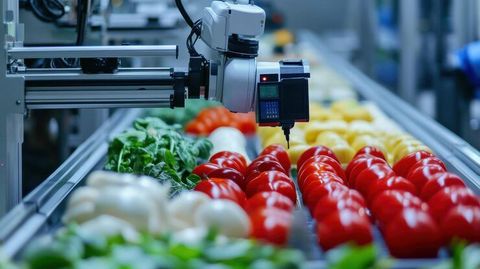
In 2025, AI-powered optical sorting systems became more widely used in recycling plants. These systems use sensors and computer vision to identify material types with higher accuracy.
Benefits include:
- Faster sorting
- Lower contamination
- Better material recovery
IoT-Enabled Waste Monitoring
Smart bins equipped with fill-level sensors are becoming common in urban infrastructure. These devices help optimize collection routes and reduce unnecessary fuel usage.
Robotics in Material Recovery
Robotic arms are increasingly used for picking recyclables from mixed waste streams. This improves operational speed in high-volume facilities.
Circular Economy Expansion
Governments and industries are focusing more on circular economy models, where waste materials become reusable resources rather than disposal burdens.
Trend Snapshot
Waste Technology Adoption Growth
Manual Sorting       ████
Sensor Sorting      ███████
AI Sorting          ██████████
Robotic Sorting     ████████
The graph shows clear growth in smart waste automation compared with traditional processing methods.
Laws or Policies
Regulations Shaping Waste Management
Waste management equipment is heavily influenced by environmental laws and waste handling policies.
In India, several policy frameworks affect waste infrastructure.
Solid Waste Management Rules
India’s Solid Waste Management Rules require waste segregation at source and encourage improved waste processing infrastructure.
Key focus areas include:
- Segregation of wet and dry waste
- Scientific landfill management
- Recycling and composting
- Reduction of open dumping
Plastic Waste Rules
Updated plastic waste regulations continue to push Extended Producer Responsibility (EPR), encouraging responsible material recovery.
E-Waste Regulations
Electronic waste regulations promote safe processing of batteries, circuit boards, and electrical equipment using specialized recycling machinery.
Global Policy Trends
Across many countries, regulations increasingly support:
- Carbon emission reduction
- Resource recovery
- Recycling targets
- Waste-to-energy initiatives
Policy changes are driving investment in smart waste infrastructure and industrial waste compliance systems.
Tools and Resources
Helpful Waste Management Resources
Several tools help organizations improve waste tracking and waste reduction strategies.
Waste Audit Templates
Waste audits help identify major waste sources and recycling opportunities.
Useful audit data includes:
- Waste type
- Waste volume
- Disposal frequency
- Recovery percentage
Carbon Emission Calculators
These tools estimate emissions related to waste disposal and landfill use.
Waste Analytics Dashboards
Digital dashboards track:
- Bin fill levels
- Collection frequency
- Recycling ratios
- Waste diversion metrics
Learning Resources
Useful educational resources include:
- Environmental compliance guides
- Waste segregation checklists
- Recycling calculators
- Sustainability reporting templates
These tools help decision-makers improve waste handling strategies using data-driven insights.
FAQs
What is waste management equipment?
Waste management equipment refers to machines and systems used for collecting, sorting, compressing, recycling, and processing waste materials safely.
Which industries use waste management equipment?
Common industries include manufacturing, construction, logistics, food processing, municipal infrastructure, and recycling facilities.
How does smart waste management work?
Smart waste management uses sensors, automation, AI, and analytics to monitor waste generation and optimize collection and processing.
Why is waste segregation important?
Segregation prevents contamination, improves recycling efficiency, and supports better resource recovery.
Can waste equipment reduce environmental impact?
Yes. Efficient waste processing reduces landfill use, lowers emissions, improves recycling, and supports circular economy practices.
Conclusion
Waste management equipment has become essential for modern environmental infrastructure. As waste volumes continue to rise, manual handling alone is no longer practical. Smart systems such as compactors, AI sorting machines, IoT-enabled bins, and automated recycling equipment are transforming how waste is processed.
Stronger regulations, sustainability goals, and technological innovation are pushing the industry toward safer and more efficient waste handling. In the coming years, waste management equipment will play an even bigger role in supporting cleaner cities, resource recovery, and long-term environmental resilience.