Explore Lifting Equipment Guide: Tips, Insights, Facts, Knowledge, and Helpful Resources
Lifting equipment refers to machines, tools, and devices designed to raise, lower, move, or position loads safely and efficiently. These systems are widely used across industries where heavy materials, machinery, and products must be transported or handled during manufacturing, construction, warehousing, logistics, and infrastructure projects.
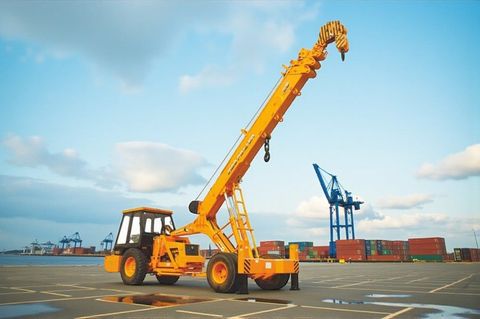
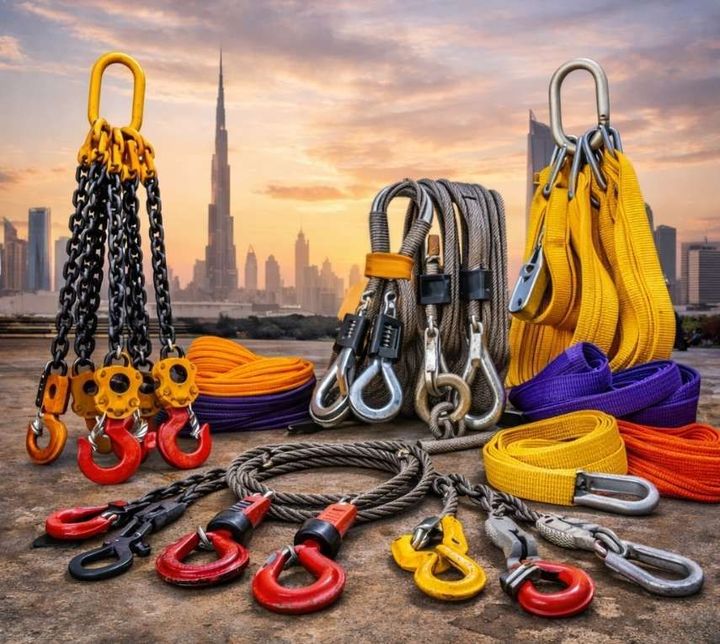
Common examples include cranes, hoists, lifting slings, forklifts, winches, lifting beams, chain blocks, and material handling systems. The primary purpose of lifting equipment is to reduce manual handling risks, improve workplace efficiency, and support safe movement of heavy loads.
Modern lifting technologies have evolved significantly over the years. Today's equipment often incorporates digital monitoring systems, automation features, load sensors, and predictive maintenance technologies to improve operational safety and productivity.
Many organizations rely on industrial lifting equipment as part of broader workplace safety programs and asset management strategies. Proper equipment selection depends on factors such as load capacity, operating environment, lifting height, and compliance requirements.
Why Lifting Equipment Matters Today
Lifting equipment plays an essential role in many sectors that support economic growth and infrastructure development. Without reliable lifting systems, many industrial operations would face increased safety risks, lower efficiency, and greater physical strain on workers.
The importance of lifting equipment can be understood through several key benefits:
- Improved workplace safety
- Reduced manual handling injuries
- Enhanced productivity and workflow efficiency
- Better load control and positioning
- Support for large-scale industrial operations
- Compliance with occupational safety standards
Industries commonly using lifting equipment include:
| Industry | Typical Applications |
|---|---|
| Construction | Steel installation, concrete placement, structural assembly |
| Manufacturing | Equipment movement, assembly line operations |
| Warehousing | Material storage and retrieval |
| Logistics | Cargo handling and transportation |
| Energy | Turbine maintenance and infrastructure projects |
| Mining | Heavy equipment and material transport |
As industrial automation continues to expand, advanced lifting systems are becoming increasingly integrated with digital asset management platforms and industrial safety solutions.
Recent Updates and Industry Trends
The lifting equipment sector has experienced several notable developments during 2025 and early 2026.
One major trend involves the adoption of smart lifting technologies. Many modern cranes and hoists now include Internet of Things (IoT) sensors that monitor load weight, equipment performance, operating hours, and maintenance requirements in real time.
Another important development is the growing use of predictive maintenance systems. These technologies analyze operational data to identify potential equipment issues before failures occur, helping organizations improve reliability and reduce downtime.
Recent industry reports published throughout 2025 highlighted increased investment in automation and digital safety monitoring systems. Companies have been integrating cloud-based asset management platforms to track inspection records, certification status, and maintenance schedules more effectively.
Key trends observed during the past year include:
- Expansion of automated material handling systems
- Greater use of digital load monitoring
- Enhanced workplace safety analytics
- Increased focus on equipment inspection compliance
- Adoption of remote equipment monitoring technologies
- Growth of industrial asset management software
The following chart illustrates common technology adoption trends within modern lifting operations:
| Technology Trend | Adoption Growth |
| IoT Monitoring | High |
| Predictive Maintenance | High |
| Digital Inspection Records | Moderate to High |
| Remote Monitoring Systems | Moderate |
| Automated Material Handling | High |
These developments reflect broader efforts to improve operational efficiency while strengthening workplace safety performance.
Laws, Regulations, and Compliance Requirements
Lifting equipment operations are heavily influenced by safety regulations and occupational health requirements. Governments and regulatory authorities establish standards designed to reduce workplace accidents and ensure equipment reliability.
Key regulatory areas typically include:
- Equipment inspection requirements
- Load capacity limitations
- Operator training standards
- Maintenance documentation
- Risk assessment procedures
- Workplace safety compliance
Several internationally recognized standards influence lifting equipment practices:
| Standard Area | Purpose |
| Occupational Safety Regulations | Worker protection requirements |
| Equipment Inspection Standards | Periodic examination procedures |
| Load Testing Requirements | Verification of safe operating limits |
| Industrial Safety Management | Workplace hazard control |
| Engineering Standards | Equipment design and performance |
Organizations are generally required to maintain records related to inspections, maintenance activities, operator qualifications, and safety assessments.
Government agencies and occupational safety authorities frequently update guidance documents to reflect evolving technologies and emerging workplace risks. Businesses and facility managers should regularly review applicable regulations relevant to their jurisdiction.
Compliance is not only important for safety but also supports operational continuity, risk management, and workplace accountability.
Helpful Tools and Resources
A variety of digital tools and resources can help organizations manage lifting equipment safely and efficiently.
Useful categories include:
Load Calculation Tools
Load calculation software assists engineers and operators in determining safe lifting parameters based on weight, center of gravity, and equipment specifications.
Equipment Inspection Applications
Digital inspection platforms allow users to:
- Record inspection findings
- Schedule maintenance activities
- Track certification dates
- Store compliance documentation
Asset Management Software
Asset management systems help organizations monitor:
- Equipment utilization
- Maintenance history
- Lifecycle performance
- Inspection schedules
Risk Assessment Templates
Risk assessment documents support hazard identification and workplace safety planning before lifting operations begin.
Training Platforms
Online learning systems provide educational materials related to:
- Crane operation
- Hoist safety
- Material handling practices
- Occupational safety procedures
Useful Resource Categories
| Resource Type | Main Purpose |
| Load Calculators | Safe lifting planning |
| Inspection Apps | Compliance tracking |
| Asset Management Systems | Equipment monitoring |
| Safety Checklists | Operational safety |
| Training Platforms | Knowledge development |
| Maintenance Software | Preventive maintenance |
High-value industry topics often associated with lifting equipment include industrial safety management, occupational risk assessment, asset management software, predictive maintenance solutions, construction safety compliance, material handling systems, crane inspection services, workplace safety training, equipment certification management, and industrial automation technologies.
Frequently Asked Questions
What is considered lifting equipment?
Lifting equipment includes devices used to raise, lower, move, or support loads. Examples include cranes, hoists, forklifts, lifting slings, chain blocks, lifting beams, and winches.
Why are inspections important for lifting equipment?
Inspections help identify wear, damage, defects, and potential safety hazards before equipment failures occur. Regular inspections support compliance and workplace safety objectives.
How often should lifting equipment be inspected?
Inspection frequency depends on equipment type, operating conditions, manufacturer recommendations, and applicable regulatory requirements. Many organizations perform routine visual inspections and periodic detailed examinations.
What factors affect safe lifting operations?
Important factors include load weight, equipment capacity, environmental conditions, operator training, equipment condition, and proper lifting procedures.
How does technology improve lifting equipment safety?
Modern technologies such as load sensors, predictive maintenance software, digital inspection systems, and IoT monitoring devices help improve visibility, compliance tracking, and operational safety.
Conclusion
Lifting equipment remains a critical component of modern industrial operations. From construction sites and manufacturing facilities to logistics centers and infrastructure projects, these systems support safe and efficient movement of heavy materials.
Advancements in digital monitoring, predictive maintenance, and industrial automation continue to transform how lifting operations are managed. At the same time, compliance with safety regulations, regular inspections, and proper training remain essential foundations of effective equipment management.
Understanding lifting equipment, industry trends, regulatory requirements, and available resources can help organizations and individuals make informed decisions while promoting safer and more efficient workplaces. As technology evolves, lifting solutions are expected to become increasingly connected, data-driven, and focused on operational safety and performance.