Explore Leading Cards: An Informative Guide with Insights, Basics, and Key Facts
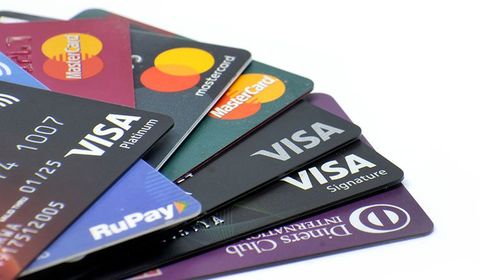
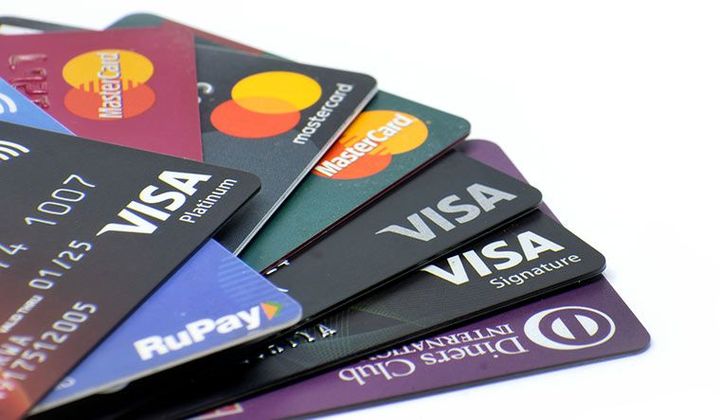
Leading cards refer to widely used payment cards that allow individuals to complete digital and in-person transactions through established financial networks. These cards function as regulated instruments that connect cardholders, financial institutions, and merchants within a structured payment ecosystem.
The concept exists to support secure, standardized, and traceable financial interactions. Instead of relying on physical currency, card-based systems allow payments to be processed electronically, reducing handling risks and improving transaction efficiency.
Over time, leading cards have become a core component of personal and business finance due to their integration with banking systems, mobile platforms, and global payment networks.
Why Leading Cards Matter Today
Leading cards play an important role in everyday economic activity. Their relevance has increased as economies continue to shift toward digital transactions and reduced cash usage.
They affect a wide range of users, including:
-
Individual account holders
-
Retail and online merchants
-
Financial institutions
-
Regulatory authorities
The main problems these cards address include:
-
Transaction security through encryption and authentication
-
Record-keeping for financial tracking
-
Faster settlement compared to manual payment methods
-
Reduced dependency on physical cash
From an economic perspective, leading cards also support transparency and help reduce errors associated with manual payment processing.
Recent Developments and Trends
Over the past year, several notable trends have shaped how leading cards are used and managed.
One major development has been the broader adoption of contactless payment functionality. Since mid-2025, transaction limits for contactless usage have been adjusted in several regions to reflect increased consumer trust and improved security controls.
Another key trend is the integration of cards with digital wallets. Throughout 2025, more card issuers enabled tokenization, allowing card details to be replaced with encrypted digital tokens during transactions. This shift has significantly reduced exposure of sensitive data.
The use of real-time transaction alerts has also expanded. Financial institutions increasingly provide instant notifications, helping users monitor activity and identify unauthorized transactions more quickly.
Regulatory and Policy Framework
Leading cards operate under structured legal and regulatory frameworks designed to protect users and maintain financial stability.
In the United States, card operations are influenced by regulations such as:
-
Consumer protection rules enforced by federal financial authorities
-
Data privacy requirements governing personal and financial information
-
Anti-fraud and identity verification standards
These policies focus on transparency, fair usage practices, and accountability. Institutions involved in card issuance must follow disclosure rules that explain fees, interest calculations, and user responsibilities in clear language.
Globally, international standards such as PCI DSS (Payment Card Industry Data Security Standard) guide how card data is stored, transmitted, and protected, ensuring consistent security practices across borders.
Helpful Tools and Educational Resources
A variety of tools and resources support understanding and responsible usage of leading cards.
Commonly used resources include:
-
Card activity dashboards provided by financial institutions
-
Spending analysis and categorization tools
-
Fraud monitoring and alert systems
-
Educational portals explaining card terms and statements
Comparison tables and simulators are also widely used to help users understand interest calculations, payment cycles, and statement structures without promotional framing.
Below is an example of how card features are often compared for educational purposes:
| Feature Category | Basic Cards | Advanced Cards |
|---|---|---|
| Transaction Method | Swipe or insert | Contactless and digital |
| Security Layer | PIN or signature | Tokenization and biometrics |
| Usage Tracking | Monthly statements | Real-time monitoring |
| Integration | Limited platforms | Multi-platform support |
These tools are designed to improve financial literacy and reduce misunderstandings related to card usage.
Key Metrics Used in Card Analysis
Analysts and users often rely on measurable indicators to evaluate card performance and usability.
Common metrics include:
-
Transaction success rate
-
Dispute resolution timelines
-
Fraud incidence ratios
-
Network acceptance coverage
Below is a simplified representation of how card usage has evolved in recent years:
| Year | Digital Transactions (%) | Physical Cash (%) |
|---|---|---|
| 2023 | 62 | 38 |
| 2024 | 68 | 32 |
| 2025 | 74 | 26 |
This shift highlights the growing reliance on card-based payment systems.
Frequently Asked Questions About Leading Cards
What is the main purpose of leading cards?
Their primary purpose is to facilitate secure and efficient electronic transactions while maintaining accurate financial records.
How do leading cards differ from traditional payment methods?
They rely on digital authorization and network verification rather than physical exchange, which improves speed and traceability.
Are leading cards regulated?
Yes. They operate under financial regulations, consumer protection laws, and international security standards.
What security measures are commonly used?
Encryption, tokenization, multi-factor authentication, and real-time monitoring are standard security features.
Can leading cards be used internationally?
Many leading cards are accepted across multiple regions, subject to network agreements and regulatory compliance.
Final Thoughts
Leading cards represent a foundational element of modern financial systems. Their continued evolution reflects broader changes in technology, regulation, and consumer behavior.
By understanding how these cards function, the rules that govern them, and the tools available for monitoring usage, individuals can better navigate digital payment environments with confidence and clarity.
As financial ecosystems continue to modernize, leading cards are expected to remain central to secure and efficient transaction processing worldwide.