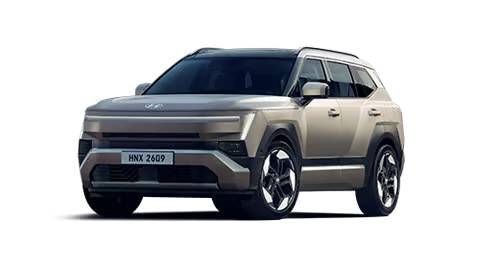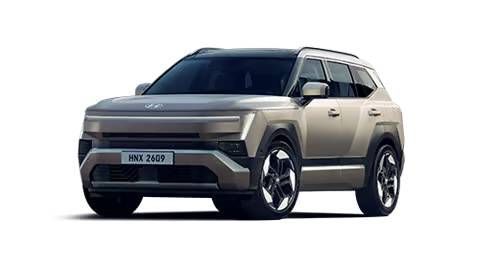
Explore Hyundai Lineup: Which Models Offer the Best Value Right Now?
Hyundai has steadily moved from budget brand to a strong contender that delivers style, technology, long warranties and competitive pricing. Shoppers looking at new or used vehicles often search for reliable options that balance cost of ownership with modern features. The current lineup covers everything from affordable city cars to three-row family SUVs and electric models, making it easier to match a Hyundai to different budgets and needs.
Many buyers start their research with questions about Hyundai Tucson price, Hyundai Santa Fe review results, or overall Hyundai financing options. Others compare ownership costs against rivals and check car insurance rates for specific models. This guide walks through the main vehicles available around late 2026, key strengths, approximate pricing ranges, and practical buying considerations so you can decide with clearer information.
Why Hyundai Appeals to Value-Focused Buyers
Hyundai’s long powertrain warranty (typically 10 years/100,000 miles in many markets) remains one of its biggest selling points. Combined with competitive pricing, standard safety technology, and improving interiors, the brand attracts shoppers who want more features without jumping into premium pricing tiers.
Fuel economy, hybrid and electric choices, and residual values also factor into real-world costs. When people search for used Hyundai for sale or auto insurance quotes for Hyundai vehicles, they often discover that many models sit in favorable insurance brackets compared with some competitors, especially when equipped with modern driver-assistance systems.
Popular Search Intent Around Hyundai Vehicles
Common high-intent queries include Hyundai Tucson price comparisons, best Hyundai SUV 2026 rankings, Hyundai Palisade hybrid details, and cheap Hyundai cars under certain budgets. These searches usually lead to research on reliability, cargo space, towing capability, and available financing or lease deals at local dealerships.
Compact and Affordable Options: Venue, Elantra and Kona
The Hyundai Venue remains one of the more affordable new vehicles in several markets, often starting near the low-$20,000 range before destination and fees. It suits urban drivers who prioritize easy parking, simple ownership, and solid fuel economy over maximum interior space. Reviews frequently note its surprising list of standard features for the price.
The Elantra continues as a strong compact sedan choice. Available with conventional engines, hybrid powertrains, and performance-oriented N Line versions, it offers a balance of efficiency, style, and technology. Buyers looking for cheap Hyundai cars or daily drivers with good warranty coverage often land here. Pricing typically begins in the mid-$20,000s depending on trim and market.
The Kona (and Kona Electric where offered) serves as a stylish subcompact crossover. It provides higher seating position, available all-wheel drive on certain versions, and a more modern look than traditional hatchbacks. Electric variants attract drivers interested in lower running costs and available incentives, while gasoline models keep entry prices accessible.
Midsize SUVs: Tucson and Santa Fe
The Tucson ranks among Hyundai’s highest-volume models. Shoppers frequently search Hyundai Tucson price and compare gas, hybrid, and plug-in hybrid versions. Starting prices for gas models generally sit around the low-to-mid $30,000 range in many regions, with hybrids commanding a premium for better efficiency. The Tucson earns praise for its bold design, roomy cabin for the class, and generous standard technology and safety features.
The Santa Fe targets families needing three-row seating or extra cargo space without moving into full-size territory. Available in conventional and hybrid form, it delivers strong value with available advanced driver aids, a refined interior on higher trims, and solid real-world usability. Reviews often highlight its balance of style, space, and long-term ownership costs. Many consider it when evaluating the best Hyundai SUV 2026 options for growing households.
Larger Family and Premium Choices: Palisade and Electric Models
The Palisade, refreshed for recent model years and now offered with hybrid powertrains in many markets, serves as Hyundai’s flagship three-row SUV. It competes on space, comfort, and features against more expensive rivals. Shoppers researching Hyundai Palisade hybrid typically look at combined range, towing ability, and third-row usability. Higher trims add premium materials and technology that elevate the ownership experience.
On the electric side, the Ioniq lineup (including Ioniq 5, Ioniq 9 and performance variants) continues to expand. These models appeal to buyers focused on zero-emission driving, quick acceleration, and modern interiors. Range figures, charging speeds, and available incentives influence purchase decisions. The Ioniq 9, as a three-row electric option, broadens appeal for larger families considering the switch to battery-electric vehicles.
The Santa Cruz pickup-style vehicle also remains available for those wanting open cargo versatility with car-like driving manners and available hybrid power in some configurations.
Ownership Costs: Insurance, Financing and Maintenance
Real cost of ownership extends beyond the sticker price. Hyundai car insurance rates vary by model, driver profile, location, and coverage levels. Vehicles with strong safety ratings and available advanced driver-assistance systems can sometimes help keep premiums more manageable. Getting personalized auto insurance quotes remains essential.
Hyundai financing options through captive lenders or partner banks often include competitive rates, special APR offers, and lease programs. Shoppers should compare these against credit union or bank loans and factor in any available rebates or incentives. Used Hyundai for sale inventory also remains plentiful, giving budget-conscious buyers access to certified pre-owned vehicles that still carry remaining factory warranty coverage.
Maintenance costs tend to stay reasonable thanks to widespread parts availability and the brand’s focus on reliability. Regular service at authorized centers helps protect the long powertrain warranty.
How to Choose the Right Hyundai for Your Needs
Start by clarifying priorities: daily commute efficiency, family space, towing, or lower fuel and emissions costs. Then narrow by body style and powertrain. Test drive multiple trims because ride quality, seat comfort, and technology interfaces can differ noticeably.
Compare total cost of ownership estimates that include fuel or electricity, insurance, maintenance, and expected residual value. Check current inventory and incentives at local dealers, and review recent reliability data and owner feedback for the specific model year under consideration.
Whether you focus on a Hyundai Tucson price point, seek the best Hyundai SUV 2026 for family use, or explore electric options, the current lineup offers several well-rounded choices. Careful comparison of features, real-world efficiency, and financing terms will help identify the model that delivers the strongest long-term value for your situation.
Always verify the latest pricing, available incentives, and specifications with official Hyundai sources or authorized dealers, as these details can change by market and over time.

You May Also Like