Industrial Sewing Threads: Types, Materials, Applications, and Performance Guide
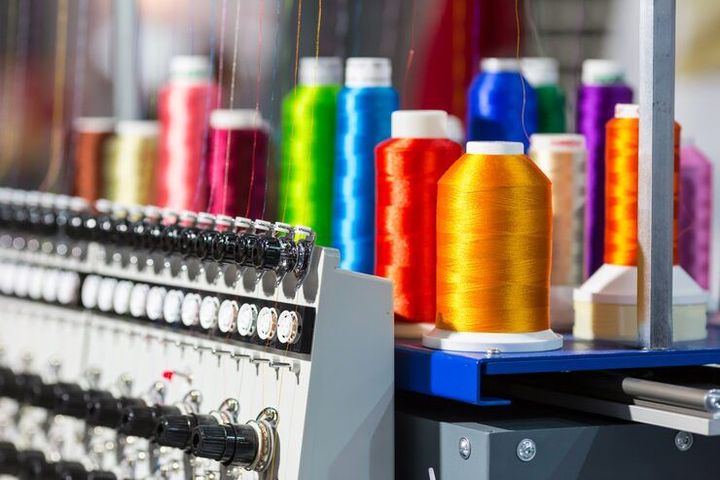
Industrial sewing threads are essential materials in textile manufacturing, garment production, upholstery, automotive interiors, footwear, and various technical textile applications. Unlike threads designed primarily for household sewing, industrial sewing threads are developed to meet specific requirements for seam strength, abrasion resistance, production speed, and consistent stitching performance. Their properties can influence the durability, appearance, and functional reliability of a finished product.
Selecting an appropriate thread requires an understanding of its fibre composition, construction, thickness, tensile strength, and intended application. Different industries use different thread specifications depending on the materials being joined and the environmental conditions the finished product may encounter. Understanding these differences helps manufacturers, textile engineers, and product designers make informed decisions about sewing materials and production processes.
What Are Industrial Sewing Threads?
Industrial sewing threads are specially manufactured yarns used to join fabrics, leather, synthetic materials, and other flexible substrates through stitching. They are designed to perform consistently in industrial sewing machines, which may operate at high speeds and handle demanding production schedules.
Thread performance depends on several characteristics, including fibre type, twist, lubrication, surface finish, and resistance to heat generated by needle friction. A thread that performs well in lightweight apparel may not be suitable for heavy upholstery or outdoor equipment. For this reason, industrial sewing thread selection is an important part of product engineering and quality control.
Key Characteristics of Industrial Sewing Threads
Industrial sewing threads are commonly evaluated according to tensile strength, elongation, abrasion resistance, colour consistency, and dimensional stability. Tensile strength indicates how much pulling force a thread can withstand before breaking, while elongation describes how much it stretches under tension. Abrasion resistance is particularly important when seams experience repeated movement or friction.
Consistent thread thickness and construction also help reduce skipped stitches, thread breakage, and uneven seams. In high-speed production environments, these characteristics can contribute to improved manufacturing efficiency and fewer quality defects.
Types of Industrial Sewing Threads
Different industrial sewing thread types are designed to meet specific requirements for strength, flexibility, surface finish, and environmental resistance. The choice depends on the material being sewn, the machine configuration, and the conditions in which the finished product will be used.
Polyester Sewing Thread
Polyester sewing thread is widely used in garment manufacturing, home textiles, workwear, and general industrial stitching. It offers a useful combination of tensile strength, colour retention, dimensional stability, and resistance to repeated washing. Both spun polyester and continuous filament polyester are available, allowing manufacturers to select different surface appearances and performance characteristics.
Spun polyester thread has a softer, fibre-like surface, while filament polyester generally provides a smoother finish. Polyester is frequently selected for products that require consistent stitching and dependable seam performance during regular use.
Nylon Sewing Thread
Nylon sewing thread is known for its strength, flexibility, and abrasion resistance. It is commonly used in footwear, luggage, leather products, upholstery, bags, and selected outdoor textile applications. Its ability to withstand repeated friction makes it useful for products that experience frequent movement or mechanical stress.
Nylon can offer greater elasticity than some polyester constructions, although the exact properties depend on the fibre grade and thread design. Manufacturers should also consider heat, sunlight exposure, moisture, and the intended service environment when choosing nylon thread.
Cotton Sewing Thread
Cotton sewing thread is produced from natural cotton fibres and is used in selected apparel, quilting, decorative stitching, and textile applications where a natural-fibre composition is desirable. It has a traditional matte appearance and can be suitable for products requiring particular sewing or finishing characteristics.
Compared with many synthetic threads, cotton may have lower resistance to abrasion and some forms of repeated environmental exposure. Its suitability therefore depends on the required seam strength, laundering conditions, and production process.
Bonded Sewing Thread
Bonded sewing thread is treated with a specialised finish that helps hold the thread filaments together during sewing. This construction is particularly useful in heavy-duty applications where thread handling, abrasion, and consistent stitching are important.
Bonded polyester and bonded nylon threads are used in products such as leather goods, footwear, furniture upholstery, luggage, and industrial textile products. Bonding can improve sewing performance, but the appropriate thread still depends on the substrate, machine, needle, and seam requirements.
Core-Spun Sewing Thread
Core-spun thread combines a strong continuous-filament core with an outer covering of spun fibres. This construction brings together core strength and a surface that can provide suitable handling and stitching characteristics.
Core-spun polyester thread is used in apparel factories, denim production, uniforms, workwear, and other applications that require reliable seams during high-speed manufacturing. Its performance depends on the core material, covering fibres, thread size, and finishing process.
High-Performance Technical Sewing Thread
High-performance sewing threads are developed for specialised applications where conventional materials may not provide the required heat resistance, chemical resistance, or mechanical properties. Depending on the application, these threads may use aramid, PTFE, or other engineered fibres.
They are found in selected protective textiles, filtration products, industrial fabrics, and specialised equipment. The appropriate material must be chosen according to the operating temperature, exposure conditions, and applicable product specifications.
Industrial Sewing Thread Applications Across Industries
Industrial sewing threads are used in many manufacturing sectors. Their purpose extends beyond joining fabric because the thread can influence product strength, durability, appearance, and performance throughout the product's service life.
Garment and Apparel Manufacturing
In clothing factories, industrial sewing threads are used to assemble shirts, trousers, jackets, uniforms, sportswear, and workwear. Polyester and core-spun polyester are common choices because they can provide consistent stitching and good resistance to everyday washing and wear.
Thread selection varies with fabric weight, seam construction, stitch density, and the desired appearance. Lightweight garments may require fine thread, whereas denim and heavy workwear often need stronger thread constructions.
Automotive and Transportation Textiles
Automotive textile manufacturing uses sewing threads for selected seat covers, interior trim, headrests, carpets, and other stitched components. These applications may require resistance to abrasion, temperature variation, sunlight, and repeated mechanical stress.
The correct specification depends on the component's location and performance requirements. Safety-critical assemblies must follow the applicable engineering standards and validated manufacturing procedures rather than relying on thread strength alone.
Footwear, Leather Goods, and Upholstery
Footwear manufacturers, luggage producers, furniture makers, and leatherworking businesses use industrial threads to join thick or abrasive materials. Bonded nylon and polyester threads are common options in these sectors.
Thread thickness, seam appearance, needle compatibility, and abrasion resistance are important considerations. A suitable thread helps create durable seams while maintaining the intended appearance of the finished product.
Technical Textiles and Industrial Products
Technical textiles include products designed for specialised functions rather than ordinary clothing. Examples include filter bags, protective covers, outdoor equipment, tarpaulins, and selected heavy-duty fabric assemblies.
These applications may require specialised thread properties, including resistance to chemicals, elevated temperatures, ultraviolet exposure, or repeated loading. Material selection should be based on the actual operating environment and product testing.
How to Select the Right Industrial Sewing Thread
Choosing the appropriate industrial sewing thread involves evaluating the complete sewing process and the requirements of the finished product. A thread that is suitable for one material or machine may not perform equally well in another application.
Evaluate Thread Strength and Durability
Tensile strength is an important selection factor, but it should not be considered in isolation. Seam performance also depends on stitch type, fabric strength, thread tension, needle size, and the way loads are distributed across the seam.
Manufacturers should review thread specifications and, where necessary, conduct seam-strength and abrasion tests. This approach helps determine whether the thread is suitable for the intended use.
Match Thread Size With Fabric and Needle
Industrial sewing threads are available in different thicknesses, commonly specified using systems such as tex or ticket numbers. The correct size depends on the material, seam design, desired stitch appearance, and sewing equipment.
A thread that is too thick may damage delicate fabric or produce an unnecessarily bulky seam. A thread that is too fine may not provide the required seam performance in heavier materials. Needle and thread compatibility should therefore be checked together.
Consider Heat and Environmental Resistance
High-speed sewing machines generate friction as the thread moves through the needle and fabric. Thread construction and finishing can affect its ability to withstand this process.
The finished product may also be exposed to moisture, detergents, sunlight, chemicals, or elevated temperatures. Evaluating these conditions helps manufacturers identify a suitable fibre and thread finish.
Check Colour Fastness and Appearance
Thread colour is important in visible seams, decorative stitching, upholstery, and branded textile products. Colour fastness describes how well a thread retains its colour under specified conditions, such as washing, light exposure, or rubbing.
Manufacturers should assess colour consistency between production batches and verify that the thread's appearance remains appropriate after the intended finishing process.
Industrial Sewing Thread Comparison
The following table summarises the typical characteristics of common industrial sewing thread types. Actual performance varies according to fibre grade, construction, finish, and manufacturing specifications.
Thread type | Main characteristics | Typical applications |
|---|---|---|
Polyester | Strength, colour retention, dimensional stability | Apparel, uniforms, home textiles |
Nylon | Flexibility, strength, abrasion resistance | Footwear, luggage, leather goods |
Cotton | Natural-fibre composition, matte appearance | Selected apparel and decorative stitching |
Bonded thread | Improved filament cohesion and sewing performance | Upholstery, heavy-duty stitching |
Core-spun | Strong core with a spun outer covering | Denim, workwear, garment production |
Technical thread | Specialised properties for demanding environments | Filtration, protective textiles, industrial fabrics |
Industrial Sewing Thread Quality Control
Quality control helps ensure that sewing threads perform consistently across production runs. Manufacturers may inspect thread thickness, tensile strength, elongation, colour, winding quality, and surface finish. These measurements help identify variations that could affect sewing efficiency or the finished seam.
Production teams also monitor thread breakage, skipped stitches, seam puckering, and needle-related damage. When problems occur, the cause may involve thread quality, machine settings, needle selection, fabric characteristics, or operator procedures. A systematic inspection process helps identify the underlying issue instead of assuming that the thread is always responsible.
For specialised products, laboratory testing and documented specifications can support material traceability and compliance with relevant industry requirements.
Industrial Sewing Threads and Modern Textile Manufacturing
Textile manufacturing continues to use specialised materials and increasingly consistent production processes to meet varied product requirements. Industrial sewing thread remains an important component because even well-designed fabrics can experience seam failure if the thread is unsuitable for the application.
Developments in fibre engineering, thread finishing, and manufacturing quality control allow producers to design threads for specific combinations of strength, flexibility, and environmental resistance. Technical textiles also create demand for materials that perform reliably under specialised conditions.
For manufacturers, understanding the relationship between thread properties, sewing machinery, and end-use requirements supports better product design and more consistent production outcomes.
Frequently Asked Questions About Industrial Sewing Threads
Which industrial sewing thread is most commonly used?
Polyester thread is widely used in industrial garment production and general textile manufacturing because it offers a practical balance of strength, colour retention, and dimensional stability. However, nylon, cotton, bonded, and specialised technical threads may be more appropriate for particular applications.
What is the difference between polyester and nylon sewing thread?
Polyester generally offers good dimensional stability and colour retention, while nylon is often selected for its flexibility and abrasion resistance. The best option depends on the material being sewn, environmental exposure, seam requirements, and the intended service life.
What does bonded industrial sewing thread mean?
Bonded thread has a specialised finish that helps keep its filaments together during sewing. This can improve handling and reduce filament separation, particularly in heavy-duty stitching applications.
How does thread thickness affect seam quality?
Thread thickness influences seam appearance, needle compatibility, stitch formation, and the amount of material passing through the fabric. Selecting a suitable thread size helps avoid bulky seams, fabric damage, and insufficient seam performance.
Why is thread quality important in industrial manufacturing?
Consistent thread quality supports reliable stitch formation, helps reduce thread breakage, and contributes to the durability and appearance of finished products. Quality checks also help manufacturers identify variations before they affect large production batches.
Conclusion
Industrial sewing threads are essential materials in garment production, automotive textiles, footwear, upholstery, and technical textile manufacturing. Polyester, nylon, cotton, bonded, core-spun, and high-performance threads each offer different characteristics for specific applications.
Selecting the right thread requires consideration of strength, abrasion resistance, thickness, colour fastness, sewing speed, and environmental conditions. By matching thread specifications to the fabric, machine, and finished product, manufacturers can improve seam consistency and produce textile goods suited to their intended use.