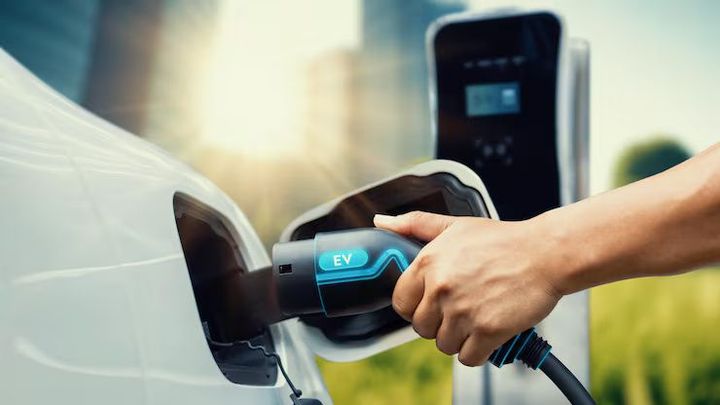
EV Charging Facts Every Electric Vehicle User Should Know
Electric vehicles are becoming an important part of modern transportation. As more drivers switch to electric mobility, understanding EV charging becomes essential for everyday convenience and long-term vehicle performance. From charging speeds to battery efficiency, there are many details that can help users make informed decisions.
The growth of EV charging stations and smart charging technology has improved accessibility for drivers across cities, highways, and residential areas. Learning how electric vehicle charging works can help users reduce charging interruptions, improve battery health, and better manage energy usage.
Understanding How EV Charging Works
Electric vehicle charging is the process of transferring electricity from a power source into an EV battery. Unlike traditional fuel systems, EV charging depends on charging levels, connector types, battery capacity, and charging time.
Most EVs support three common charging levels:
| Charging Level | Typical Location | Charging Speed | Best Use |
|---|---|---|---|
| Level 1 | Home outlets | Slow | Overnight charging |
| Level 2 | Homes and public stations | Moderate | Daily use |
| DC Fast Charging | Highways and commercial areas | Very Fast | Long-distance travel |
Level 1 charging uses a standard household outlet. It is slower but practical for drivers with shorter daily commutes. Level 2 charging is widely used because it offers faster charging while remaining suitable for homes and businesses.
DC fast charging is designed for rapid charging during travel. These stations can charge a battery significantly faster than standard charging systems, making them useful for highway routes and commercial transportation.
EV Charging Stations Are Expanding Rapidly
The number of EV charging stations continues to increase worldwide. Governments, businesses, and property developers are supporting electric mobility by expanding charging infrastructure.
Public charging stations are commonly found in:
- Shopping centers
- Parking garages
- Office complexes
- Hotels
- Highway rest areas
- Residential communities
The availability of charging stations reduces range concerns and encourages more drivers to adopt electric vehicles. Navigation systems in many EVs can now locate nearby charging stations and display real-time charging availability.
Charging networks are also improving user convenience through mobile apps, digital payments, and charging session tracking.
Home Charging Remains the Most Practical Option
For many EV owners, home charging is the easiest and most reliable method. Charging overnight allows drivers to start each day with a fully charged battery.
Benefits of EV Charger Installation at Home
EV charger installation provides several advantages for daily charging routines:
- Consistent charging access
- Faster charging than standard outlets
- Better energy management
- Improved convenience
- Smart scheduling features
Modern home charging systems often include smart charging controls. These features allow users to monitor electricity usage, schedule charging during lower demand periods, and track battery performance.
Professional EV charger installation also helps ensure electrical safety and compatibility with the vehicle.
Charging Speed Depends on Multiple Factors
Many users assume that all EV charging stations operate at the same speed. In reality, charging speed depends on several technical factors.
Important charging variables include:
- Battery size
- Charger output
- Battery temperature
- State of charge
- Vehicle charging capability
For example, charging may slow down when the battery approaches full capacity. This process protects battery health and prevents overheating.
Cold weather can also affect charging efficiency. Batteries generally perform better within moderate temperature ranges, which is why some EVs include battery thermal management systems.
Battery Health Influences Long-Term Performance
Battery condition plays a major role in electric vehicle performance. Proper charging habits can help maintain battery efficiency over time.
Simple Habits That Support Battery Longevity
Drivers can improve battery performance by following a few practical habits:
- Avoid frequent extreme charging levels
- Use fast charging only when necessary
- Keep software updated
- Park in moderate temperatures when possible
- Follow manufacturer charging recommendations
Battery management systems in modern EVs automatically regulate charging and temperature conditions. These systems help reduce stress on battery components and improve long-term reliability.
Understanding battery behavior also helps users predict driving range more accurately.
Smart Charging Technology Is Improving Efficiency
Smart charging has become one of the most important innovations in electric vehicle charging. These systems allow chargers and vehicles to communicate with energy networks and optimize electricity usage.
Smart charging systems can:
- Schedule charging automatically
- Balance electricity demand
- Track charging history
- Monitor energy consumption
- Integrate with renewable energy systems
Some charging systems can even reduce charging speed during periods of high electricity demand. This helps stabilize energy grids and improve charging efficiency across larger networks.
Smart charging is especially valuable for residential communities and commercial EV fleets.
EV Fleet Charging Solutions Support Commercial Transportation
Businesses that operate electric delivery vehicles, transport vans, or company cars require efficient fleet charging systems. EV fleet charging solutions help organizations manage multiple vehicles simultaneously.
Fleet charging platforms typically include:
| Fleet Charging Feature | Purpose |
|---|---|
| Charging Scheduling | Prevents power overload |
| Energy Monitoring | Tracks electricity usage |
| Remote Management | Controls charging sessions |
| Driver Reporting | Monitors vehicle activity |
| Load Balancing | Improves charging efficiency |
Fleet charging systems are becoming more advanced as commercial electric transportation expands. Businesses increasingly rely on software-based charging coordination to maintain operational efficiency.
Delivery services, logistics companies, and public transportation systems are among the sectors rapidly adopting fleet charging technology.
EV Charging Analytics Help Optimize Energy Usage
EV charging analytics provide detailed insights into charging behavior and electricity consumption. These tools help users understand charging efficiency, usage trends, and system performance.
Charging analytics can monitor:
- Charging duration
- Energy usage patterns
- Peak charging periods
- Charger utilization
- Vehicle charging history
For businesses and fleet operators, EV charging analytics support better planning and energy management. Data-driven insights can help reduce unnecessary electricity demand and improve charging station utilization.
Residential users can also benefit from analytics through mobile applications that track home charging activity.
Public Charging Etiquette Matters
As EV adoption grows, charging etiquette becomes increasingly important. Responsible charging behavior helps ensure charging stations remain accessible for everyone.
Good charging etiquette includes:
- Moving the vehicle after charging completes
- Avoiding unnecessary charger occupancy
- Following station time limits
- Using compatible connectors properly
Many charging networks now notify drivers when charging sessions are complete. This helps improve station availability and reduce wait times.
Respectful charging habits contribute to a smoother experience for all electric vehicle users.
Connector Types and Compatibility Are Important
Different EVs may use different charging connectors depending on the manufacturer and region. Understanding connector compatibility helps users avoid charging issues during travel.
Common charging connector types include:
- CCS
- CHAdeMO
- Type 1
- Type 2
- NACS
Some public EV charging stations support multiple connector types, while others specialize in specific charging systems.
Adapters may be available for certain vehicles, but compatibility should always be verified before use.
Renewable Energy and EV Charging Are Closely Connected
Electric vehicle charging increasingly works alongside renewable energy systems such as solar and wind power. Many homes and businesses combine solar panels with EV charging equipment to improve energy sustainability.
Renewable-powered charging can:
- Reduce dependence on traditional energy sources
- Support cleaner transportation
- Improve energy efficiency
- Lower strain on electricity grids
Some advanced charging systems can automatically prioritize renewable energy when available.
As renewable infrastructure expands, electric vehicle charging is expected to become even more environmentally efficient.
Charging Infrastructure Continues to Evolve
The future of electric vehicle charging includes faster charging systems, improved battery technology, and broader charging accessibility.
Emerging charging developments include:
- Ultra-fast charging stations
- Wireless charging technology
- Vehicle-to-grid integration
- Automated charging systems
- Smart city charging networks
Vehicle-to-grid systems may eventually allow EVs to return stored energy back to electrical grids during high demand periods.
Wireless charging is also being tested for residential parking spaces and commercial transportation systems.
Range Planning Is Still Important for EV Drivers
Although charging infrastructure is expanding, drivers should still plan longer trips carefully. Route planning tools help identify charging stops and estimate battery usage.
Factors affecting driving range include:
- Driving speed
- Road conditions
- Temperature
- Vehicle weight
- Climate control usage
Modern EV navigation systems can automatically suggest charging stops based on remaining battery range and station availability.
Understanding how driving conditions affect battery performance helps users travel more confidently.
Software Updates Can Improve Charging Performance
Electric vehicles rely heavily on software systems. Manufacturers frequently release updates that improve charging efficiency, battery management, and vehicle performance.
Software updates may enhance:
- Charging speed optimization
- Battery temperature management
- Navigation accuracy
- Energy efficiency calculations
- Charging station compatibility
Keeping vehicle software updated helps ensure the EV operates with the latest charging improvements and system enhancements.
Conclusion
Electric vehicle charging is becoming smarter, faster, and more accessible every year. Understanding how charging systems work helps EV users improve convenience, battery health, and driving efficiency.
From EV charger installation at home to advanced EV charging analytics for commercial fleets, charging technology continues to evolve rapidly. Public charging infrastructure, smart charging systems, and renewable energy integration are shaping the future of transportation.
As electric mobility expands globally, staying informed about EV charging stations, charging methods, and battery management will help drivers make better decisions and enjoy a smoother EV experience.