Discover Automated Lift Modules With Warehousing Technology Facts
Automated lift modules, commonly known as vertical automated storage systems, are warehouse automation technologies designed to improve storage organization, inventory accessibility, and operational efficiency within logistics and industrial environments. These systems commonly use vertically arranged storage trays, automated retrieval mechanisms, inventory management software, and computerized control systems to support organized material handling and space optimization. Automated lift modules are widely used across manufacturing facilities, distribution centers, warehouse operations, healthcare storage systems, and industrial inventory environments.
Globally, warehousing technologies and logistics automation systems continue evolving as businesses increasingly prioritize inventory accuracy, operational scalability, and storage efficiency. According to broader supply chain and industrial automation trends, automated lift modules have become increasingly important because modern warehouses require faster inventory retrieval, improved space utilization, and connected operational visibility. This reflects the growing demand for intelligent storage technologies and automation-focused logistics systems within modern industrial ecosystems.
In practical applications, automated lift modules may help improve inventory organization, reduce manual picking time, support warehouse space optimization, and improve operational accuracy. Different automated storage systems are often selected depending on warehouse size, inventory complexity, operational workflows, and logistics goals. Understanding how automated lift modules function highlights their importance within modern warehousing and supply chain management environments.
Who It Affects & Problems It Solves
Automated lift modules and warehousing automation systems affect a wide global audience, including manufacturers, logistics providers, warehouse operators, retail distribution centers, healthcare facilities, and industrial inventory management organizations. Supply chain managers, warehouse technicians, automation specialists, and logistics coordinators also play important roles in supporting automated storage operations and inventory planning systems.
Without organized storage systems and warehouse automation technologies, logistics environments may experience inventory mismanagement, slower material retrieval, inefficient space usage, operational delays, and increased manual labor complexity. Traditional shelving systems may also reduce storage density and operational scalability. Automated lift modules help solve these challenges by improving inventory accessibility and supporting structured warehouse management systems.
A common scenario involves warehouse environments managing large product inventories while requiring accurate material retrieval and efficient storage organization. Over time, manual inventory systems and limited warehouse visibility may reduce operational performance and increase workflow inefficiencies. Automated lift modules improve logistics coordination by supporting computerized storage management, automated retrieval systems, and vertical space optimization. These operational advantages naturally lead into recent developments shaping warehouse automation technologies and smart inventory systems.
Recent Updates
Over the past year, automated lift modules and warehouse automation technologies have evolved significantly through increased artificial intelligence integration and smart inventory management systems. Modern warehousing environments increasingly use AI-assisted inventory tracking, predictive maintenance technologies, and cloud-connected warehouse dashboards to improve operational visibility and logistics efficiency.
Another important trend is the growing emphasis on warehouse space optimization and labor-efficiency management. Industry data suggests that organizations increasingly prioritize automated lift modules capable of reducing storage footprints, improving picking accuracy, and supporting high-density inventory environments.
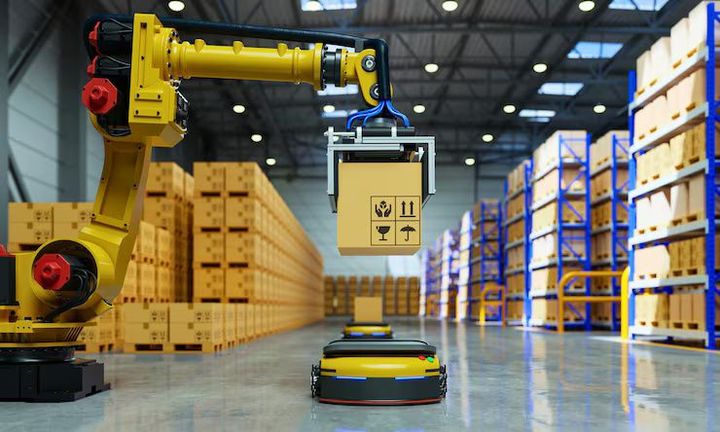
Robotics integration and automated retrieval systems have also become more advanced. Many warehouse automation environments now integrate barcode scanning technologies, IoT-connected inventory systems, and real-time operational monitoring platforms designed to improve inventory consistency and workflow coordination.
Additionally, cloud-based warehouse management systems and digital logistics analytics continue gaining popularity. Businesses increasingly use automated lift modules connected with warehouse software platforms to improve inventory visibility and operational scalability. These developments provide useful context for comparing common automated lift module systems and warehousing technologies.
Comparison Table
| Automated Lift Module Feature | Main Purpose | Automation Level | Warehousing Benefit | Operational Advantage |
|---|---|---|---|---|
| Vertical Storage Systems | Space optimization management | Very high | Improved storage density | Reduced warehouse footprint |
| Automated Retrieval Mechanisms | Inventory access automation | High | Faster item picking | Improved workflow efficiency |
| Inventory Management Software | Stock visibility coordination | High | Better inventory tracking | Organized operational management |
| Barcode Scanning Integration | Product identification support | Moderate to high | Improved picking accuracy | Reduced inventory errors |
| Cloud Warehouse Dashboards | Centralized logistics visibility | High | Real-time operational monitoring | Better decision-making support |
| IoT-Connected Storage Systems | Smart inventory communication | Very high | Automated warehouse coordination | Enhanced operational efficiency |
| Multi-User Access Platforms | Team inventory management | Moderate | Improved workflow collaboration | Better warehouse coordination |
| Predictive Maintenance Systems | Equipment performance monitoring | Moderate to high | Reduced downtime risks | Improved system reliability |
| High-Density Storage Modules | Compact inventory organization | Extremely high | Increased storage capacity | Efficient warehouse utilization |
| Energy-Efficient Automation Systems | Sustainable operational support | Moderate | Reduced energy usage | Environmentally conscious warehousing |
The comparison shows that different automated lift module systems support different warehousing goals, from inventory organization and retrieval speed to space optimization and smart logistics visibility. Combining warehouse automation systems with digital inventory technologies often helps improve long-term operational efficiency and supply chain consistency. Understanding these distinctions naturally leads into practical guidance and warehouse planning considerations.
Regulations & Practical Guidance
Warehouse automation environments and logistics organizations are generally encouraged to follow workplace safety standards, inventory management practices, and operational efficiency guidelines when operating automated lift modules and storage systems. These approaches often focus on equipment safety, inventory visibility, workflow organization, and responsible automation management within logistics ecosystems.
Globally, businesses increasingly prioritize scalability, storage efficiency, and inventory visibility when selecting automated lift modules and warehouse automation technologies. Inventory volume, warehouse layout, operational workflows, labor coordination, and logistics budgets often influence long-term storage decisions and warehouse management strategies.
Another important consideration is maintenance planning and workforce adaptation. Automated lift modules integrated into warehouse environments may require employee training, system calibration, software monitoring, and predictive maintenance scheduling to maintain operational consistency and inventory reliability.
Which Option Suits Your Situation?
For businesses seeking organized inventory management and improved warehouse accessibility, automated lift modules with inventory management software and barcode integration may support stronger operational visibility and logistics coordination.
For warehouse environments prioritizing space optimization and high-density storage management, vertical lift systems and compact automated storage modules may improve warehouse efficiency and inventory scalability.
For organizations requiring real-time inventory tracking and connected logistics visibility, cloud-based warehouse dashboards and IoT-connected automation systems may contribute to stronger operational monitoring and workflow consistency.
For companies focused on sustainable warehousing and long-term automation scalability, energy-efficient storage systems and predictive maintenance technologies may support broader logistics performance and operational reliability. Choosing the right automated lift module system depends on warehouse size, inventory complexity, operational goals, and logistics management priorities.
Tools & Resources
Several tools and resources can help organizations better understand and manage automated lift modules effectively.
Warehouse Management Platforms — support inventory coordination and operational visibility.
Barcode Tracking Systems — help improve product identification and picking accuracy.
Cloud Logistics Dashboards — assist with centralized inventory monitoring and warehouse planning.
Predictive Maintenance Applications — improve automation reliability and equipment management.
Inventory Analytics Systems — support operational performance tracking and logistics evaluation.
Supply Chain Technology Communities — enable professionals to exchange warehousing automation insights and storage management strategies.
These resources support informed warehousing decisions and efficient logistics planning, leading naturally into frequently asked questions.
Frequently Asked Questions
What are automated lift modules?
Automated lift modules are vertical warehouse storage systems that use automated retrieval mechanisms and inventory software to improve storage organization and operational efficiency.
Why are automated lift modules important in warehousing?
Automated lift modules improve inventory accessibility, optimize warehouse space, reduce manual picking time, and support organized logistics workflows.
What technologies are commonly included in automated lift modules?
Common technologies include inventory management software, barcode scanning systems, automated retrieval mechanisms, IoT connectivity, and cloud-based warehouse dashboards.
What is a common misconception about warehouse automation systems?
A common misconception is that warehouse automation completely removes human involvement. In reality, many automated warehouse systems combine technology support with workforce coordination and operational oversight.
How can organizations improve automated lift module performance?
Organizations often improve performance through maintenance planning, inventory optimization, employee training, software integration, and structured warehouse management strategies.
Conclusion
Automated lift modules and warehouse automation systems play an important role in supporting inventory organization, logistics efficiency, and storage optimization within modern industrial environments. Their ability to improve inventory visibility and streamline warehouse operations makes them valuable across multiple supply chain and manufacturing applications.
For most organizations, successful warehouse automation management involves balancing storage efficiency, operational scalability, inventory visibility, and maintenance planning. Structured logistics strategies and connected automation systems often contribute to stronger long-term operational performance and warehouse reliability.
As global warehousing technologies and logistics automation systems continue evolving, automated lift modules are expected to become more intelligent, connected, and integrated with advanced AI-driven analytics, predictive inventory systems, and smart supply chain management ecosystems.