Dior Facts: A Look at Fashion, Craftsmanship, and Global Impact
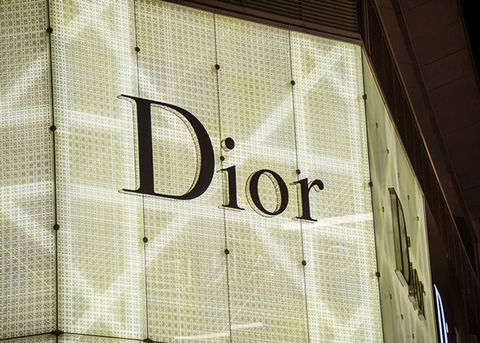
Dior is one of the most recognized names in the global luxury fashion industry. Founded by Christian Dior in 1946, the brand became famous for introducing innovative designs that transformed post-war fashion. Over the decades, Dior has expanded beyond clothing into beauty, fragrances, accessories, jewelry, and lifestyle products, becoming a major influence in luxury markets worldwide.
The purpose of Dior is to combine creativity, craftsmanship, and innovation while preserving a strong fashion heritage. Today, the brand continues to shape trends across fashion, beauty, and luxury consumer industries.
The History of Dior
Christian Dior established the fashion house in Paris, France, shortly after World War II. In 1947, Dior introduced the famous "New Look," characterized by elegant silhouettes, structured jackets, and full skirts.
This design approach represented a major shift in fashion and helped restore Paris as a leading global fashion capital. Over time, Dior expanded internationally and became associated with luxury, refinement, and artistic excellence.
Several influential creative directors have contributed to Dior's evolution, helping the brand adapt to changing consumer preferences while maintaining its distinctive identity.
How Dior Is Structured
Dior operates through multiple business segments that collectively support its global presence.
| Segment | Description |
|---|---|
| Haute Couture | Exclusive handcrafted fashion collections |
| Ready-to-Wear | Seasonal clothing collections for broader audiences |
| Accessories | Handbags, belts, wallets, and fashion accessories |
| Footwear | Luxury shoes for various styles and occasions |
| Beauty & Cosmetics | Makeup, skincare, and beauty products |
| Fragrances | Signature perfumes and luxury scents |
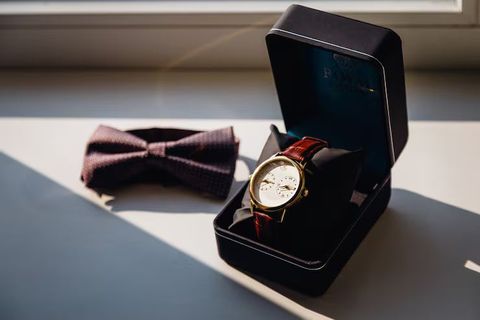
| Jewelry & Watches | Fine jewelry and premium timepieces |
These segments allow Dior to serve diverse customer interests while maintaining a consistent luxury image.
Key Features of Dior
Heritage and Craftsmanship
Strong connection to French fashion traditions
Detailed hand-finishing techniques
Emphasis on artistic design
Preservation of couture expertise
Global Brand Recognition
Presence in major luxury markets
International fashion events participation
Strong influence on consumer trends
Widely recognized visual identity
Innovation and Creativity
Adoption of digital technologies
Modern design experimentation
Collaboration with artists and creative professionals
Integration of sustainability initiatives
Diverse Product Portfolio
Fashion collections
Beauty and skincare products
Luxury accessories
Fragrances and jewelry
Why Dior Is Important
Dior plays an important role in the luxury fashion ecosystem. The company contributes to creative industries, supports skilled craftsmanship, and influences design trends across multiple sectors.
Its significance extends beyond fashion because luxury brands often drive innovation in marketing, retail experiences, digital engagement, and product development.
Dior also contributes to preserving traditional artisanal techniques that might otherwise decline in modern mass-production environments.
Real-World Applications and Influence
Dior's products and creative concepts influence many industries and consumer segments.
Fashion Industry
Sets seasonal fashion trends
Inspires designers globally
Influences luxury apparel development
Beauty Industry
Advances cosmetic innovation
Develops skincare technologies
Shapes makeup trends
Luxury Branding
Demonstrates premium brand positioning
Influences luxury marketing strategies
Creates high-value customer experiences
Creative Arts
Collaborates with artists and designers
Supports exhibitions and cultural projects
Promotes artistic expression
Challenges Dior Helps Address
Luxury fashion brands face several challenges, and Dior continuously develops strategies to address them.
Maintaining Craftsmanship
Preserving specialized skills
Training future artisans
Protecting traditional techniques
Brand Consistency
Maintaining quality standards globally
Managing diverse product categories
Preserving brand identity
Digital Transformation
Expanding online engagement
Enhancing digital experiences
Integrating technology into retail operations
Sustainability Expectations
Reducing environmental impact
Improving supply chain transparency
Supporting responsible sourcing practices
Types of Dior Product Categories
Fashion Collections
Haute couture
Women's ready-to-wear
Men's fashion
Seasonal collections
Beauty Products
Makeup collections
Skincare products
Luxury cosmetics
Fragrances
Signature perfumes
Limited-edition scents
Luxury fragrance collections
Accessories
Handbags
Small leather goods
Belts and fashion accessories
Fine Jewelry and Watches
Precious jewelry collections
Luxury timepieces
Designer accessories
Recent Developments and Trends (2025–2026)
The luxury industry continues evolving rapidly, and Dior remains active in several emerging areas.
Digital Luxury Experiences
During 2025 and early 2026, luxury brands expanded investments in:
Virtual fashion experiences
Enhanced online shopping platforms
AI-assisted customer engagement
Digital storytelling initiatives
Sustainability Focus
Recent industry trends include:
Greater supply-chain transparency
Sustainable material research
Circular fashion initiatives
Responsible manufacturing practices
Beauty Innovation
Luxury beauty brands increasingly emphasize:
Advanced skincare research
Personalized beauty experiences
Technology-supported product development
Ingredient transparency
Global Market Expansion
Luxury fashion continues growing in:
Asia-Pacific markets
Middle Eastern luxury sectors
Emerging premium consumer markets
Digital-first luxury communities
Laws, Regulations, and Industry Standards
Dior operates within various international regulations that affect luxury fashion and beauty products.
Consumer Protection Requirements
Product labeling standards
Safety compliance requirements
Marketing transparency obligations
Intellectual Property Protection
Trademark protection
Design rights enforcement
Counterfeit prevention measures
Environmental Regulations
Sustainability reporting requirements
Environmental compliance standards
Waste reduction initiatives
Cosmetic Product Regulations
Ingredient safety assessments
Product testing requirements
International compliance standards
Regulatory frameworks vary by country and region, requiring global luxury companies to maintain extensive compliance processes.
Useful Tools and Learning Resources
Fashion Learning Resources
Fashion history publications
Design education platforms
Luxury market research reports
Industry trend analyses
Business and Luxury Industry Resources
Luxury market studies
Brand strategy research
Consumer behavior reports
Retail innovation publications
Creative Development Resources
Design software tools
Fashion illustration platforms
Trend forecasting resources
Digital creativity applications
Sustainability Resources
Environmental reporting frameworks
Sustainable fashion organizations
Responsible sourcing guidelines
Circular economy educational materials
FAQs
What is Dior known for?
Dior is known for luxury fashion, haute couture, fragrances, beauty products, accessories, and influential design innovations that have shaped the fashion industry for decades.
Who founded Dior?
Dior was founded by Christian Dior in 1946 in Paris, France. His creative vision helped establish the brand as a major force in luxury fashion.
What is haute couture at Dior?
Haute couture refers to highly specialized, handcrafted garments created with exceptional attention to detail, craftsmanship, and artistic design.
Does Dior only produce fashion products?
No. Dior also develops beauty products, fragrances, skincare items, jewelry, watches, and luxury accessories.
Why is Dior important in the luxury industry?
Dior influences fashion trends, supports traditional craftsmanship, advances luxury branding practices, and contributes to innovation across fashion and beauty sectors.
Conclusion
Dior remains one of the most influential luxury fashion houses in the world. Since its founding in 1946, the brand has combined heritage, craftsmanship, creativity, and innovation to maintain a strong position within the global luxury market.
Through fashion collections, beauty products, fragrances, accessories, and artistic collaborations, Dior continues to shape industry trends and inspire creative excellence. As digital transformation, sustainability initiatives, and evolving consumer expectations redefine the luxury landscape, Dior demonstrates how a historic fashion house can adapt while preserving its core identity and commitment to quality.