Jump to a Chapter

Nike Running Shoes Care Guide: Maintenance Tips, Durability Factors, and Performance Insights

Nike Running Shoes Care Guide: Maintenance Tips, Durability Factors, and Performance Insights

Running shoes are designed to support comfort, movement, cushioning, and performance during various physical activities. Whether used for casual jogging, fitness routines, walking, or long-distance running, footwear is exposed to repeated stress from surfaces, environmental conditions, and everyday wear.

Proper maintenance can help preserve appearance, comfort, and functionality throughout the usable life of a shoe. While all footwear naturally experiences wear over time, understanding care practices and durability factors can help users make informed decisions about maintenance and usage.

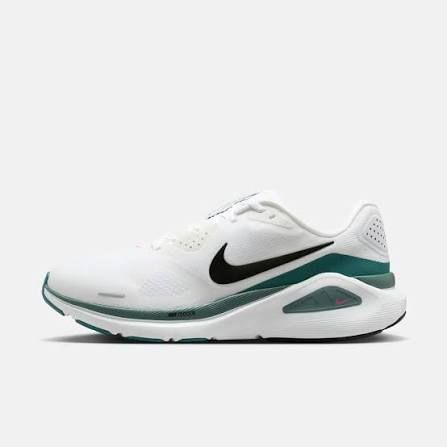
This article explores footwear care concepts using Nike running shoes as an educational example. It does not provide repair services, product guarantees, or professional footwear recommendations.

About Nike Running Shoes

Nike develops athletic footwear for various sports and fitness activities.

Running shoe categories commonly found across the industry may include:

  • Daily training shoes
  • Racing footwear
  • Trail running shoes
  • Walking-oriented models
  • Performance running shoes
  • Lifestyle athletic footwear

Maintenance requirements may vary depending on materials, construction methods, and usage conditions.

Why Footwear Care Matters

Regular shoe maintenance can contribute to:

  • Cleaner appearance
  • Improved comfort
  • Better material preservation
  • Reduced odor accumulation
  • Early detection of wear patterns
  • Consistent user experience

Although maintenance cannot prevent normal wear, it may help support overall footwear condition.

Understanding Running Shoe Construction

Modern running shoes typically contain multiple components.

Common parts include:

  • Upper materials
  • Cushioning systems
  • Insoles
  • Outsoles
  • Heel structures
  • Lacing systems

Each component may respond differently to environmental exposure and maintenance practices.

Common Factors Influencing Durability

Footwear durability can be affected by numerous variables.

Examples include:

  • Running frequency
  • Surface conditions
  • User movement patterns
  • Environmental exposure
  • Weather conditions
  • Storage habits
  • Cleaning practices

Actual durability varies among individuals and usage scenarios.

Cleaning Running Shoes

Cleaning is one of the most frequently discussed aspects of shoe maintenance.

Common cleaning considerations include:

  • Removing loose dirt
  • Cleaning exterior surfaces
  • Managing mud accumulation
  • Maintaining visual appearance
  • Addressing debris buildup

Cleaning methods may vary depending on material types and manufacturer guidance.

Managing Dirt and Debris

Outdoor activities often expose shoes to:

  • Dust
  • Sand
  • Gravel
  • Mud
  • Grass residue
  • Urban debris

Removing accumulated debris may help maintain overall shoe condition and appearance.

Moisture and Environmental Exposure

Running shoes are regularly exposed to moisture from various sources.

Examples include:

  • Rain
  • Humidity
  • Perspiration
  • Wet surfaces
  • Environmental conditions

Moisture management is commonly discussed as part of general footwear care.

Drying Footwear Properly

After exposure to moisture, shoes are often allowed to dry naturally.

General considerations include:

  • Adequate airflow
  • Indoor drying environments
  • Avoiding excessive heat exposure
  • Monitoring material condition

Drying approaches can influence comfort and material preservation.

Storage Practices

Storage conditions may influence footwear longevity.

Common recommendations often involve:

  • Clean storage environments
  • Moderate temperatures
  • Dry locations
  • Organized storage systems
  • Reduced environmental exposure

Storage preferences vary according to available space and individual habits.

Rotating Multiple Pairs of Shoes

Some runners and fitness enthusiasts rotate footwear based on activity requirements.

Potential reasons discussed within the industry include:

  • Usage variation
  • Activity specialization
  • Recovery time between uses
  • Environmental adaptability

Individual practices vary depending on personal preferences and activity levels.

Cushioning and Performance Considerations

Running shoes commonly include cushioning technologies designed to support movement and comfort.

Factors often discussed include:

  • Impact absorption
  • Energy return concepts
  • Comfort characteristics
  • Surface interaction
  • Running dynamics

Performance experiences vary according to user preferences and activity types.

Monitoring Wear Patterns

Wear patterns can develop gradually through repeated use.

Areas commonly observed include:

  • Outsole surfaces
  • Heel sections
  • Midsole areas
  • Upper materials
  • Lacing components

Monitoring wear may help users better understand how footwear is being used over time.

Odor Management Concepts

Footwear may accumulate odors through regular use.

Contributing factors can include:

  • Moisture
  • Environmental exposure
  • Usage frequency
  • Storage conditions

Odor management practices vary among users and environments.

Travel and Transportation Considerations

Athletic footwear is frequently transported during travel and outdoor activities.

Examples include:

  • Gym bags
  • Sports equipment bags
  • Luggage
  • Training kits

Storage and transportation habits may influence overall shoe condition.

Material Types and Maintenance

Modern running shoes may incorporate a variety of materials.

Examples include:

  • Engineered mesh
  • Synthetic textiles
  • Foam compounds
  • Rubber outsoles
  • Composite materials

Maintenance requirements may differ depending on construction and material composition.

Sustainability and Footwear Industry Trends

The athletic footwear industry increasingly explores sustainability initiatives.

Areas commonly discussed include:

  • Material innovation
  • Resource efficiency
  • Manufacturing improvements
  • Product lifecycle considerations
  • Recycling programs

Approaches vary among manufacturers and product categories.

Running Footwear Trends in 2026

Several developments continue shaping the running shoe industry.

Current trends include:

  • Advanced cushioning systems
  • Lightweight materials
  • Improved durability research
  • Sustainability initiatives
  • Data-driven design approaches
  • Performance-focused engineering
  • Enhanced comfort technologies
  • Digital product innovation

These developments reflect broader changes within sportswear and athletic footwear markets.

About Nike

Nike running shoes are developed by Nike, a company involved in athletic footwear, sportswear, equipment, and related products.

The company is mentioned solely for informational purposes as an example within discussions of running shoe maintenance and footwear care. Its inclusion does not constitute an endorsement, recommendation, ranking, review, comparison, or purchasing suggestion.

Frequently Asked Questions

Why is shoe maintenance important?

Maintenance may help preserve appearance, comfort, cleanliness, and overall footwear condition.

What factors affect running shoe durability?

Durability can be influenced by usage frequency, running surfaces, environmental exposure, maintenance habits, and individual movement patterns.

Does moisture affect footwear?

Environmental moisture may influence comfort, material condition, and overall shoe maintenance considerations.

Why should wear patterns be monitored?

Wear patterns can provide insight into how footwear is being used and how different components are aging over time.

Are all running shoes maintained the same way?

Maintenance practices may vary depending on materials, construction methods, environmental exposure, and manufacturer guidance.

Conclusion

Running shoes are important pieces of athletic equipment that experience continual exposure to movement, environmental conditions, and everyday wear. Understanding maintenance concepts, cleaning practices, storage considerations, and durability factors can help users better care for their footwear and maintain a consistent user experience.

As material technologies, sustainability initiatives, and footwear engineering continue advancing throughout 2026 and beyond, proper footwear care remains an important aspect of athletic gear ownership and long-term product usability.

Disclaimer

This article is intended solely for informational and educational purposes. It does not provide footwear repair, medical, athletic training, engineering, commercial, financial, purchasing, or professional advice. It does not endorse, recommend, compare, rank, review, market, or encourage the purchase of any footwear product, brand, retailer, or service. Brand and company names are included only for informational reference. Readers should consult official manufacturer resources and qualified professionals regarding product care, maintenance procedures, warranty information, and specific footwear-related concerns.

author-image

Ravi Shankar Maurya

We create purposeful content that speaks, resonates, and drives action.

June 13, 2026 . 7 min read