Data Center Cooling Systems: Complete Guide to Technologies, Efficiency, and Infrastructure
Data centers are the backbone of the digital world. They store, process, and manage enormous amounts of information used by businesses, websites, cloud platforms, and online applications.
As computing equipment operates continuously, it generates significant heat. Without proper temperature control, equipment performance can decline, energy consumption can rise, and hardware reliability can be affected.
Data center cooling systems are designed to remove excess heat and maintain optimal operating conditions. These systems play a critical role in data center infrastructure, energy efficiency, and operational stability. As demand for cloud computing, artificial intelligence, and high-performance computing continues to grow, cooling technologies have become more important than ever.
Understanding the Concept
A data center cooling system is a collection of technologies and infrastructure designed to regulate temperature, humidity, and airflow within a facility that houses servers and networking equipment.
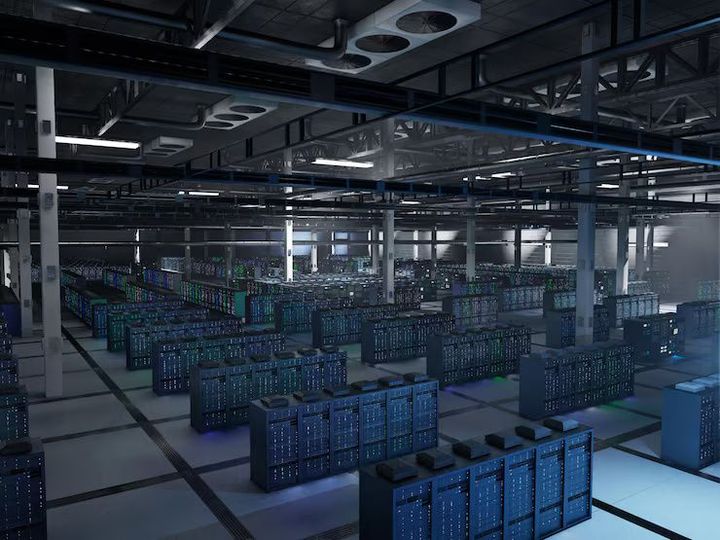
Servers generate heat whenever they process data. In small facilities, this heat may be manageable with basic cooling equipment. However, large-scale cloud data centers can contain thousands of servers operating around the clock. Without effective cooling, temperatures can quickly reach levels that affect equipment performance.
Modern cooling systems aim to:
- Remove excess heat
- Maintain consistent temperatures
- Improve energy efficiency
- Support high-density computing environments
- Extend equipment lifespan
Cooling infrastructure has become a key component of data center design because energy consumption associated with cooling can represent a significant portion of facility operations.
Key Types or Categories
Several cooling technologies are used in modern data center environments. Each approach has advantages depending on facility size, climate conditions, and computing density.
Air Cooling Systems
Air cooling remains one of the most widely used methods in data centers.
Cold air is delivered to server racks while warm air is removed and directed away from computing equipment. This process helps maintain stable temperatures throughout the facility.
Common air cooling components include:
- Computer room air conditioners
- Computer room air handlers
- Raised floor systems
- Air ducts
- Ventilation units
Air cooling works well for many traditional data center environments.
Liquid Cooling Systems
Liquid cooling uses specially designed fluids to absorb and transfer heat away from servers more efficiently than air.
Since liquids can carry heat more effectively, this approach is becoming increasingly popular in high-density computing environments.
Common liquid cooling methods include:
- Direct-to-chip cooling
- Rear-door heat exchangers
- Immersion cooling
Liquid cooling supports advanced computing workloads while improving thermal management.
Evaporative Cooling
Evaporative cooling uses water evaporation to reduce air temperature before it enters the facility.
This approach can significantly improve energy efficiency in suitable climates.
Benefits include:
- Reduced energy consumption
- Lower mechanical cooling demand
- Improved environmental sustainability
Hybrid Cooling Systems
Hybrid systems combine multiple cooling technologies.
For example, a facility may use air cooling during moderate weather and liquid cooling for high-density server zones.
This flexible approach helps optimize efficiency and performance.
Important Subsections
Hot Aisle and Cold Aisle Design
Modern data centers often arrange server racks in alternating hot and cold aisles.
In this layout:
- Cold aisles receive cooled air
- Hot aisles collect warm exhaust air
- Air mixing is minimized
This design improves cooling efficiency and reduces wasted energy.
Containment Systems
Containment systems physically separate hot and cold airflow.
Common options include:
- Hot aisle containment
- Cold aisle containment
Containment strategies improve temperature control and enhance energy management.
Cooling Distribution Units
Cooling distribution units help circulate cooling fluids throughout the infrastructure.
These units regulate flow rates and maintain consistent cooling performance across equipment racks.
Environmental Monitoring
Sensors continuously monitor conditions such as:
- Temperature
- Humidity
- Airflow
- Pressure
Monitoring systems help operators identify potential issues before they affect equipment performance.
How It Works
Data center cooling follows a structured process.
Step 1: Heat Generation
Servers, storage devices, and networking equipment generate heat during operation.
As computational activity increases, heat output rises accordingly.
Step 2: Heat Detection
Environmental monitoring equipment measures temperatures throughout the facility.
Sensors provide real-time information regarding operating conditions.
Step 3: Heat Removal
Cooling systems capture heat generated by computing equipment.
Depending on the technology used, heat may be removed through:
- Air circulation
- Liquid cooling loops
- Heat exchangers
- Evaporative cooling processes
Step 4: Heat Transfer
Captured heat is transferred away from critical equipment.
Heat may be redirected to external cooling equipment where it can be safely dissipated.
Step 5: Temperature Stabilization
The cooling infrastructure continuously adjusts airflow, fluid circulation, and cooling capacity to maintain target temperatures.
This process operates continuously to support uninterrupted data center operations.
Benefits and Advantages
Effective cooling systems provide numerous advantages for modern facilities.
Improved Energy Efficiency
Energy-efficient cooling reduces overall power consumption.
Efficient thermal management helps facilities lower energy usage while supporting growing computational demands.
Enhanced Equipment Reliability
Excessive heat can place stress on electronic components.
Maintaining stable temperatures helps protect servers and networking equipment from thermal-related issues.
Support for High-Density Computing
Artificial intelligence, machine learning, and cloud computing workloads often require densely packed hardware.
Advanced cooling technologies support these demanding environments.
Better Infrastructure Performance
Proper cooling allows computing equipment to operate within recommended temperature ranges.
This contributes to stable performance and improved operational consistency.
Sustainability Benefits
Modern cooling technologies are increasingly focused on reducing environmental impact.
Efficient cooling infrastructure can contribute to:
- Lower energy consumption
- Reduced carbon emissions
- Improved resource utilization
Real-World Examples or Applications
Data center cooling systems are used across a wide range of industries.
Cloud Computing Facilities
Large cloud providers operate massive facilities containing thousands of servers.
Advanced cooling systems help maintain reliable performance while managing significant heat loads.
Financial Institutions
Banks and financial organizations process large volumes of transactions every day.
Reliable cooling infrastructure helps maintain continuous operation of critical systems.
Healthcare Organizations
Healthcare facilities store and process sensitive medical information.
Temperature-controlled environments help support secure and dependable data management.
Artificial Intelligence Infrastructure
AI applications often require powerful graphics processing units and high-performance computing clusters.
These systems generate substantial heat and frequently depend on liquid cooling technologies.
Research Centers
Scientific research institutions use advanced computing environments for simulations, modeling, and data analysis.
Efficient cooling supports stable operation of these computational resources.
Important Factors to Understand
Several factors influence cooling system effectiveness.
Data Center Size
Facility size affects cooling requirements.
Larger facilities generally require more sophisticated cooling infrastructure and airflow management strategies.
Computing Density
The number of servers within a given area impacts heat generation.
Higher density environments often benefit from advanced liquid cooling technologies.
Climate Conditions
Local weather conditions can influence cooling design decisions.
Facilities located in cooler regions may take advantage of natural cooling opportunities.
Energy Consumption
Cooling efficiency is often measured using metrics that evaluate overall facility performance.
Organizations continuously seek methods to improve energy management and reduce unnecessary power usage.
Scalability
Cooling infrastructure should support future growth.
As computing requirements expand, cooling systems must be capable of adapting to increased demand.
Future Trends and Industry Insights
Data center cooling continues to evolve alongside advancements in computing technology.
Growth of Liquid Cooling
As artificial intelligence and high-performance computing workloads increase, liquid cooling adoption is expected to expand significantly.
Its ability to manage concentrated heat makes it attractive for modern facilities.
AI-Driven Infrastructure Management
Artificial intelligence is increasingly being used to analyze environmental conditions and optimize cooling performance.
Smart management systems can adjust cooling resources based on real-time operational data.
Sustainable Cooling Technologies
Environmental sustainability remains a major focus.
Future cooling innovations may include:
- Water-efficient designs
- Advanced heat recovery systems
- Renewable energy integration
- Improved thermal management materials
Edge Data Centers
Edge computing places processing resources closer to users.
These smaller facilities require compact and efficient cooling solutions tailored to localized environments.
High-Density Computing Growth
Demand for cloud computing, machine learning, and digital transformation continues to increase.
Future cooling infrastructure will need to support even greater levels of computational density while maintaining efficiency.
Conclusion
Data center cooling systems are a fundamental part of modern digital infrastructure. They remove excess heat, maintain stable operating conditions, and support reliable performance across computing environments.
From traditional air cooling to advanced liquid cooling technologies, modern facilities use a variety of approaches to improve energy efficiency and thermal management. Features such as containment systems, environmental monitoring, and intelligent cooling controls further enhance performance.
As cloud computing, artificial intelligence, and high-performance computing continue to expand, cooling technologies will remain a critical component of data center design. Organizations that invest in efficient cooling infrastructure are better positioned to support long-term operational reliability, sustainability, and technological growth.