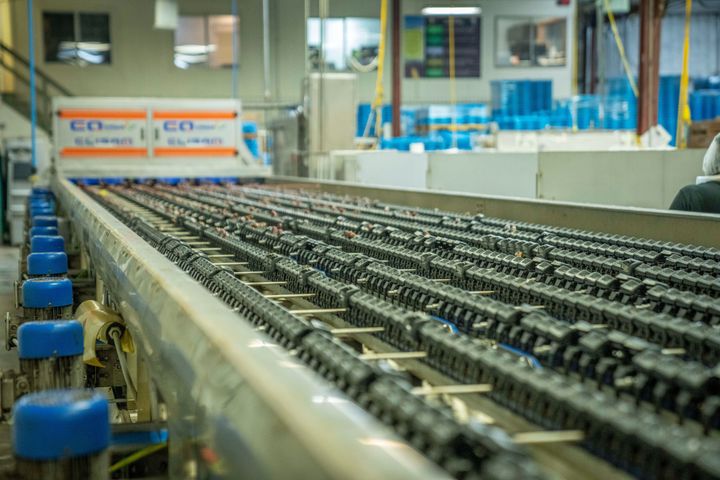
Conveyor Belt Systems Guide for Warehouses: Explore Equipment Features, Efficiency Tips & Expert Insights
Conveyor belt systems are material handling technologies used to move products, packages, materials, and goods from one location to another within industrial facilities, warehouses, manufacturing plants, and distribution centers.
These systems help organize the flow of materials through structured transportation pathways. Conveyor technologies have evolved significantly over time, moving from simple mechanical systems to advanced automated solutions that integrate sensors, monitoring tools, and digital controls.
Modern warehouses and industrial facilities often rely on conveyor systems to support organized movement of materials across various operational areas. Understanding these systems can provide valuable insight into warehouse technology and material handling processes.
Why Conveyor Belt Systems Matter
Warehouses and distribution facilities frequently handle large volumes of materials that require coordinated movement between storage, processing, packaging, and shipping areas.
Conveyor systems contribute to:
- Material transportation
- Warehouse organization
- Distribution processes
- Inventory movement
- Facility coordination
- Industrial automation
- Logistics operations
- Operational visibility
These systems form an important part of many modern material handling environments.
Material Handling Ecosystem Overview
| Area | Function |
|---|---|
| Conveyor Systems | Material movement |
| Storage Areas | Inventory placement |
| Distribution Zones | Product routing |
| Automation Systems | Process coordination |
| Monitoring Platforms | Operational visibility |
These elements work together to support warehouse operations.
Key Components of Conveyor Belt Systems
Modern conveyor systems consist of several integrated components.
| Component | Purpose |
| Conveyor Belt | Moves materials |
| Rollers | Support belt movement |
| Drive Units | Power system operation |
| Sensors | Monitor system activity |
| Control Panels | Manage operational functions |
| Safety Devices | Support workplace safety |
| Frames and Supports | Provide structural stability |
Each component contributes to overall system functionality.
Common Types of Conveyor Systems
Various conveyor technologies are used across industrial environments.
Belt Conveyors
One of the most widely recognized systems for transporting materials over fixed pathways.
Roller Conveyors
Utilize rollers to facilitate material movement.
Chain Conveyors
Often used for specific industrial applications involving heavier loads.
Modular Conveyors
Designed with flexible configurations that can support changing operational layouts.
Automated Conveyor Systems
Integrate digital controls, sensors, and monitoring technologies.
Different facilities may use different conveyor technologies depending on operational requirements.
How Conveyor Systems Operate
Conveyor systems generally move materials through a sequence of coordinated actions.
Typical operational stages include:
- Material placement
- Transportation along conveyor pathways
- Routing and sorting processes
- Monitoring and control activities
- Transfer to storage or processing areas
Automation technologies may assist with monitoring and coordination throughout these processes.
Conveyor System Process Flow
| Stage | Activity |
| Input | Material entry |
| Transportation | Movement through system |
| Monitoring | Operational observation |
| Routing | Direction management |
| Output | Material transfer |
This process supports organized material handling within facilities.
Warehouse Applications of Conveyor Systems
Conveyor systems are used in many warehouse and industrial environments.
Common applications include:
- Distribution centers
- Manufacturing facilities
- Packaging operations
- E-commerce fulfillment environments
- Parcel handling facilities
- Logistics hubs
- Material processing locations
These systems help support the movement of goods throughout operational workflows.
Recent Trends in Conveyor Technology
Several developments influenced conveyor and material handling technologies during 2025 and 2026.
Automation Expansion
Warehouses continue exploring automated material handling technologies.
Smart Monitoring Systems
Digital monitoring platforms provide increased visibility into equipment operations.
Sensor Integration
Advanced sensors support equipment observation and information collection.
Industrial Connectivity
Connected systems continue expanding throughout warehouse environments.
Data Analytics
Organizations increasingly utilize operational data to support decision-making processes.
Industry Trends Overview
| Trend | Focus Area |
| Automation | Material handling technology |
| Smart Monitoring | Operational visibility |
| Sensor Integration | Equipment observation |
| Connectivity | Digital infrastructure |
| Data Analytics | Information management |
These developments continue influencing warehouse technology discussions.
Recent Industry Updates
Over the past year, warehouse and logistics sectors have continued investing in digital transformation and automation initiatives.
Notable developments include:
- Increased adoption of automated warehouse technologies.
- Expansion of digital monitoring capabilities.
- Greater integration between conveyor systems and warehouse software.
- Continued emphasis on operational visibility.
- Growth in connected material handling infrastructure.
These developments reflect broader trends within logistics and industrial operations.
Laws, Regulations, and Industry Standards
Conveyor systems typically operate within established safety and operational frameworks.
Workplace Safety Requirements
Facilities often maintain procedures designed to support safe equipment operation.
Machinery Standards
Industrial equipment may be subject to applicable machinery regulations.
Occupational Health Guidelines
Workplace environments often implement safety measures associated with material handling operations.
Electrical System Requirements
Automated equipment may operate within established electrical safety frameworks.
Environmental Considerations
Organizations may implement policies related to energy management and operational sustainability.
Requirements vary by industry, facility type, and jurisdiction.
Helpful Tools and Learning Resources
Several resources support education in material handling and warehouse technologies.
Educational Resources
- Warehouse operations publications
- Material handling learning materials
- Industrial automation guides
- Logistics industry reports
Technical Resources
- Equipment documentation
- Material handling references
- Warehouse planning resources
- Operational workflow studies
Research Resources
- Academic journals
- Logistics research publications
- Engineering studies
- Technology trend reports
Learning Platforms
- Warehouse management courses
- Industrial technology training
- Supply chain education resources
- Automation learning programs
These materials can help readers better understand conveyor technologies and warehouse operations.
Frequently Asked Questions
What is a conveyor belt system?
A conveyor belt system is a material handling technology used to transport items between locations within a facility.
Where are conveyor systems commonly used?
They are frequently used in warehouses, distribution centers, manufacturing facilities, and logistics environments.
What are the main components of a conveyor system?
Common components include belts, rollers, drive units, sensors, control systems, and support structures.
Why are conveyor systems important in warehouses?
They help facilitate organized movement of materials through operational workflows.
How is technology changing conveyor systems?
Automation, sensors, monitoring tools, connectivity platforms, and digital technologies continue influencing modern conveyor systems.
Conclusion
Conveyor belt systems are an important part of modern warehouse and material handling operations. By supporting the organized movement of goods and materials, these technologies contribute to logistics, manufacturing, and distribution environments.
As automation, digital monitoring, industrial connectivity, and warehouse technologies continue evolving, conveyor systems are expected to remain a significant component of material handling infrastructure. Understanding their components, applications, and technological developments can provide valuable insight into modern industrial operations.
Disclaimer
This article is published solely for educational and informational purposes. Its objective is to explain conveyor belt systems, warehouse equipment, material handling technologies, and industrial concepts.
We do not sell, promote, advertise, endorse, recommend, manufacture, distribute, install, lease, market, or provide conveyor belt systems, warehouse equipment, material handling machinery, automation technologies, or any commercial offering mentioned in this content.
The information presented should not be interpreted as engineering advice, operational guidance, procurement recommendations, technical consultation, equipment selection advice, or professional services. Readers should consult qualified engineers, equipment manufacturers, safety specialists, and regulatory authorities regarding specific operational, technical, or compliance-related decisions.
All equipment references, technology examples, and industry concepts are included solely for educational and informational context.