Concrete Mixing Equipment Overview With Engineering Facts
Concrete mixers are essential construction machines used to combine cement, aggregates, water, and other materials into a uniform concrete mixture suitable for building and infrastructure projects. These machines help ensure consistency, improve efficiency, and reduce manual labor during construction operations. From small residential projects to large-scale infrastructure developments, concrete mixers play a critical role in producing reliable concrete that meets structural and engineering requirements. Modern mixers are available in various sizes and configurations designed to support different project scales and operational needs.
This comparison matters globally because construction activity continues expanding through urban development, infrastructure investment, industrial growth, and residential building projects. According to global construction research, demand for efficient material handling and quality-controlled mixing processes remains a key priority for contractors and project managers. Concrete mixers have evolved significantly through automation, improved mixing technologies, and enhanced mobility features that help improve productivity and material consistency across a wide range of applications.
The real-world impact of concrete mixing equipment extends beyond construction sites alone. Proper mixing directly influences concrete quality, structural durability, project timelines, and resource efficiency. Poorly mixed concrete may result in reduced strength, uneven consistency, and potential long-term performance issues, while well-designed mixing systems help improve construction reliability and operational efficiency. Understanding how different concrete mixer types compare helps contractors and project planners make informed equipment decisions, which naturally leads into who these machines affect and the construction challenges they help solve.
Who It Affects & Problems It Solves
Concrete mixers affect construction companies, contractors, civil engineers, project managers, infrastructure developers, equipment operators, and building material suppliers globally. Residential builders use mixers for foundations, driveways, and structural elements. Commercial construction firms rely on larger mixing systems for office buildings, warehouses, and industrial facilities. Infrastructure projects such as bridges, roads, tunnels, and public works also depend heavily on reliable concrete production equipment. Ready-mix suppliers and construction material producers similarly benefit from efficient mixing technologies.
Without proper concrete mixing equipment, many construction projects would struggle with consistency, productivity, and quality control. Concrete mixers help solve these challenges by providing controlled blending of materials and reducing the risk of uneven mixtures. Some systems prioritize mobility and flexibility, while others focus on high-volume production or continuous operation. These capabilities support faster project completion, improved material utilization, and stronger construction quality.
A common mistake contractors make is selecting equipment based solely on capacity without evaluating project requirements, site conditions, and production goals. A small mixer may be insufficient for large projects, while oversized equipment may increase operational costs unnecessarily. Another issue involves neglecting maintenance and cleaning procedures, which can affect performance and equipment lifespan. As construction technologies continue advancing, manufacturers are investing more heavily in automation, fuel efficiency, and digital monitoring systems, which connects naturally to recent developments shaping concrete mixer technology worldwide.
Recent Updates
Over the past year, construction equipment manufacturers have increased focus on automation and smart monitoring technologies within concrete mixing systems. Modern mixers increasingly feature digital controls, automated batching systems, and performance monitoring tools designed to improve consistency and reduce operator error. These technologies help contractors achieve more reliable mixing outcomes while improving overall productivity.
In early 2025, sustainability became an even more important consideration in construction equipment design. Manufacturers have introduced energy-efficient systems, optimized mixing mechanisms, and technologies that support reduced material waste. These developments align with broader industry efforts to improve environmental performance while maintaining construction quality and operational efficiency.
Another important development involves mobile and self-loading concrete mixers. These machines combine loading, mixing, transportation, and discharge functions into a single unit, improving flexibility on remote or space-constrained construction sites. Contractors increasingly value equipment that reduces labor requirements while maintaining production capacity.
At the same time, safety improvements have become a major priority. Enhanced guarding systems, operator assistance technologies, and remote monitoring capabilities are increasingly integrated into modern mixers to support safer working environments. These ongoing developments make it easier to compare different concrete mixer technologies and understand how modern equipment supports construction productivity and quality control.
Comparison Table
The table below compares common concrete mixer types and their operational characteristics. These factors matter globally because different construction projects require different balances of capacity, mobility, efficiency, and production speed.
| Mixer Type | Main Application | Key Advantage | Limitation | Typical Project Size |
|---|---|---|---|---|
| Drum Mixer | General construction | Simple operation | Batch-based process | Small to medium |
| Tilting Drum Mixer | Residential projects | Easy discharge | Lower production volume | Small |
| Non-Tilting Drum Mixer | Consistent production | Better mixing control | Fixed discharge system | Medium |
| Reversing Drum Mixer | Multiple applications | Flexible operation | Requires trained operators | Medium |
| Pan Mixer | High-quality concrete | Excellent mixing consistency | Higher equipment cost | Medium to large |
| Twin-Shaft Mixer | Industrial production | Fast mixing cycles | Complex maintenance | Large |
| Continuous Mixer | Infrastructure projects | Continuous output | Less flexibility | Large |
| Self-Loading Mixer | Remote construction sites | Multi-function capability | Higher purchase cost | Small to medium |
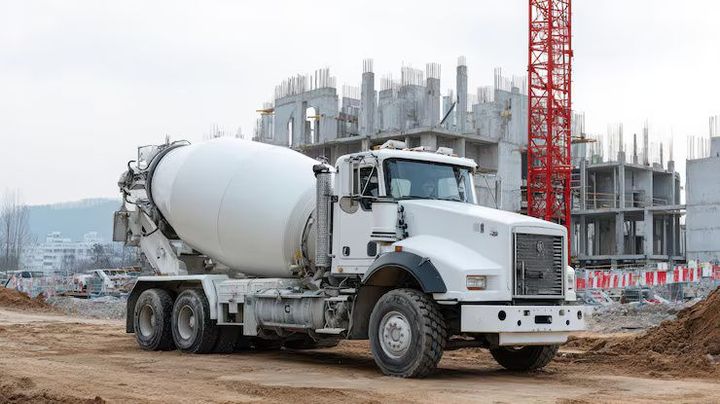
| Truck Mixer | Concrete transportation | Mobile delivery | Dependent on batching source | Large |
| Planetary Mixer | Specialized concrete production | Precise mixing performance | Premium investment | Specialized projects |
The comparison table shows that concrete mixers are designed around different operational priorities. Some emphasize mobility and flexibility, while others focus on production volume, precision, or continuous output. Understanding these distinctions creates an important transition into regulations and practical construction guidance.
Regulations & Practical Guidance
In most countries, concrete mixing equipment operates under broader construction safety, equipment operation, and workplace protection standards. Regulatory authorities generally require contractors to follow guidelines related to equipment maintenance, operator safety, material handling, and environmental management. Construction machinery is commonly expected to meet operational safety requirements designed to reduce workplace risks and improve project reliability.
International construction standards often encourage quality control procedures related to concrete consistency, batching accuracy, and production monitoring. Most jurisdictions also have rules regarding worker protection, equipment inspections, and operational training because construction machinery operates in demanding environments. Proper maintenance and documented inspection procedures are particularly important for mixers that operate continuously or under heavy workloads.
Another important practical consideration involves matching mixer capabilities to project requirements. Construction specialists globally emphasize evaluating production volume, transportation needs, site accessibility, and labor availability before selecting equipment. Proper cleaning and maintenance practices are equally important because hardened concrete buildup may reduce efficiency and shorten equipment lifespan.
Which Option Suits Your Situation?
A contractor managing residential construction projects may benefit most from drum mixers or tilting drum systems because they provide practical capacity, mobility, and cost-effective operation for smaller-scale work.
A commercial construction company handling larger projects may prefer pan mixers or twin-shaft mixers designed to deliver higher production rates and improved consistency. These systems are commonly selected where concrete quality and output volume are critical priorities.
A contractor operating in remote locations may benefit from self-loading mixers capable of performing multiple functions without requiring extensive support equipment. These machines often improve flexibility and reduce transportation challenges.
An infrastructure project requiring continuous concrete production may prefer continuous mixers or truck-supported systems designed to maintain steady material supply throughout large-scale operations. These considerations naturally connect to the tools and resources available for construction planning and equipment management.
Tools & Resources
Several globally accessible resources can help contractors and engineers better understand concrete mixing technologies and construction equipment management.
Engineering Toolbox — Provides technical references related to concrete properties, material calculations, and construction engineering concepts.
Construction Equipment Publications — Offer insights into machinery trends, equipment comparisons, and operational best practices.
Project Management Software — Supports scheduling, resource planning, and construction workflow coordination.
Equipment Maintenance Platforms — Help track inspections, service schedules, and operational performance.
Building Information Modeling Tools — Assist with project visualization, construction planning, and material management.
Construction Safety Resources — Provide guidance related to equipment operation, worker protection, and site safety procedures.
Material Quality Control Guides — Explain testing methods, consistency standards, and concrete performance evaluation practices.
These resources support informed construction planning and stronger equipment management decisions, which naturally leads into the most common questions people ask about concrete mixers and mixing processes.
Frequently Asked Questions
What is a concrete mixer?
A concrete mixer is a machine designed to combine cement, water, aggregates, and other materials into a uniform concrete mixture. These machines help improve consistency, reduce manual labor, and support efficient construction operations across a wide range of projects.
Who uses concrete mixers?
Construction companies, contractors, infrastructure developers, engineers, and material suppliers commonly use concrete mixers. These machines are essential for producing concrete used in residential buildings, commercial projects, roads, bridges, and industrial facilities.
Are concrete mixers regulated internationally?
In many regions globally, concrete mixers operate under construction safety, equipment operation, and workplace protection standards. Contractors are generally expected to follow guidelines related to maintenance, operator training, inspections, and safe equipment use depending on project requirements.
Are all concrete mixers the same?
A common misconception is that all concrete mixers perform identically. In reality, different mixer types are designed for different applications, production capacities, and quality requirements. Factors such as project size, mobility needs, and concrete specifications often influence equipment selection.
When should construction companies upgrade mixing equipment?
Organizations may consider upgrading equipment when existing systems become inefficient, difficult to maintain, unable to meet production requirements, or incompatible with modern automation technologies. Updated mixers may improve productivity, consistency, safety, and operational efficiency.
Conclusion
Concrete mixers remain fundamental to modern construction because they support consistent material production, improved efficiency, and reliable project execution. The most important takeaway is that different mixer types are designed for different operational priorities, including mobility, production volume, mixing quality, and project scale. Selecting the right equipment helps improve construction outcomes and resource utilization.
For most contractors, the best approach involves evaluating project size, site conditions, production requirements, and long-term operational goals before choosing a mixer. Companies that prioritize quality control, maintenance planning, and appropriate equipment selection generally achieve stronger construction performance and project reliability.
As construction technologies continue evolving globally, future concrete mixing systems will likely become even more automated, energy-efficient, and integrated with advanced monitoring technologies designed to support smarter and more sustainable building practices.