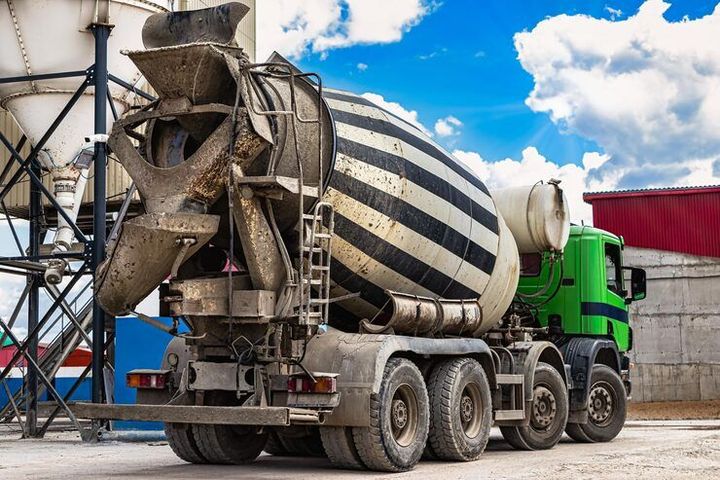
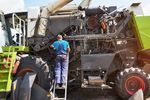
The importance of concrete mixers has increased with the growth of urban development and large-scale construction activities. Manual mixing methods are inefficient and inconsistent, making mechanized mixing systems necessary for modern construction.
Recent trends include automated batching systems, mobile mixers, and energy-efficient designs. These innovations improve mixing accuracy, reduce material waste, and enhance productivity. Understanding concrete mixers and their processes is essential for ensuring quality construction outcomes.
Who It Affects and What Problems It Solves
Concrete mixers are used by construction workers, contractors, engineers, and project managers. These professionals rely on efficient mixing systems to maintain quality and meet project timelines.
Without proper mixing equipment, concrete may be inconsistent, leading to structural weaknesses and delays. Concrete mixers address these issues by providing controlled and uniform mixing.
Problems It Helps Solve
-
Inconsistent concrete quality from manual mixing
-
Increased labor effort and time consumption
-
Material wastage due to improper mixing
-
Difficulty maintaining standard ratios
-
Delays in construction processes
-
Reduced structural strength of concrete
Recent Updates and Trends
In the past year, concrete mixer technology has advanced with automation and digital integration. Automated batching systems are being used to control the exact proportions of materials, improving consistency and reducing waste.
Mobile and portable mixers are gaining popularity for small and medium construction projects. These mixers provide flexibility and ease of transport.
Electric and energy-efficient mixers are being developed to reduce fuel consumption and environmental impact. Additionally, IoT-enabled mixers are being introduced to monitor performance and maintenance needs in real time.
Self-loading mixers are also becoming more common, combining mixing and transportation functions in a single machine. These advancements improve efficiency and reduce operational complexity.
Types of Concrete Mixers
| Mixer Type | Description | Application | Outcome |
|---|
| Drum Mixers | Rotating drum for mixing | General construction | Uniform mixing |
| Pan Mixers | Fixed pan with rotating blades | Precast concrete | High consistency |
| Twin Shaft Mixers | Two horizontal shafts | Large-scale projects | Fast mixing |
| Continuous Mixers | Continuous material flow | Road construction | High output |
| Self-Loading Mixers | Integrated loading and mixing | Remote sites | Efficiency |
Each type is designed for specific construction needs.
Working Process of Concrete Mixers
| Stage | Description | Key Action | Result |
|---|
| Material Loading | Add cement, aggregates, and water | Accurate measurement | Correct proportions |
| Mixing | Rotate drum or blades | Combine materials | Homogeneous mixture |
| Discharge | Release mixed concrete | Controlled output | Ready-to-use concrete |
| Cleaning | Remove residual material | Maintenance | Equipment longevity |
This process ensures consistent and high-quality concrete production.
Key Components of Concrete Mixers
| Component | Description | Function | Outcome |
|---|
| Mixing Drum | Rotating container | Mix materials | Uniformity |
| Blades | Internal mixing elements | Improve mixing efficiency | Consistency |
| Motor or Engine | Power source | Drive rotation | Operation |
| Control System | Manual or automated controls | Manage mixing process | Precision |
| Discharge Mechanism | Outlet for concrete | Release mixture | Ease of use |
These components work together to ensure effective mixing.
Performance Factors and Efficiency Optimization
| Factor | Description | Importance | Result |
|---|
| Mixing Time | Duration of mixing | Affects consistency | Quality output |
| Speed | Rotation speed | Influences efficiency | Faster production |
| Capacity | Volume of mixer | Determines output | Project suitability |
| Material Ratio | Proportion of ingredients | Ensures strength | Structural integrity |
| Maintenance | Regular upkeep | Prevents breakdown | Reliability |
Optimizing these factors improves mixing performance.
Applications in Construction
Concrete mixers are used across various construction activities.
In residential construction, they are used for foundations, walls, and floors. In commercial projects, mixers support large-scale structural work. Infrastructure projects such as roads, bridges, and dams rely heavily on high-capacity mixers.
Precast industries use specialized mixers for producing concrete components. These applications highlight the importance of mixers in ensuring quality and efficiency.
Maintenance and Best Practices
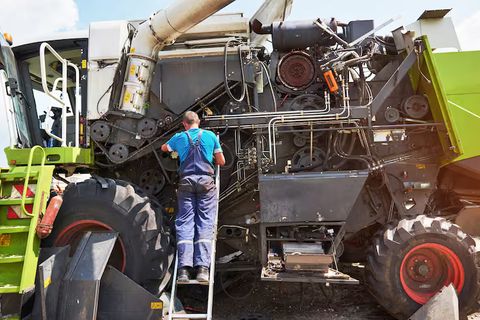
Regular maintenance is essential for ensuring the performance and longevity of concrete mixers. Cleaning the drum after use prevents buildup and maintains efficiency.
Inspecting components such as blades and motors helps identify wear and potential issues. Proper lubrication and timely replacement of parts improve reliability.
Operators should follow safety guidelines and use equipment correctly to prevent accidents and damage.
Scheduling maintenance and monitoring performance contribute to efficient operation.
Laws and Policies Related to Construction Equipment
Concrete mixers are subject to safety and environmental regulations that ensure proper operation and worker safety. These regulations define standards for equipment usage, emissions, and workplace safety.
In India, construction equipment must comply with safety guidelines and environmental standards. These policies help reduce risks and ensure sustainable practices.
Practical Guidance Table
| Situation | Recommended Approach | Practical Benefit |
|---|
| Small Projects | Use portable or drum mixers | Cost-effective |
| Large-Scale Construction | Use twin shaft or continuous mixers | High productivity |
| Remote Locations | Use self-loading mixers | Flexibility |
| Maintenance Needs | Schedule regular inspections | Reduced downtime |
Tools and Resources for Concrete Mixing
Concrete mixing operations require various tools and resources for efficiency and management.
Common Tools and Resources
-
Batching systems for material measurement
-
Monitoring tools for performance tracking
-
Maintenance equipment
-
Safety gear for operators
-
Training programs for equipment handling
Tools Comparison Table
| Tool Type | Functionality | Best Use Case |
|---|
| Batching Systems | Measure materials | Accuracy |
| Monitoring Tools | Track performance | Optimization |
| Maintenance Tools | Service equipment | Longevity |
| Safety Equipment | Protect workers | Safe operation |
| Training Programs | Improve skills | Efficiency |
Frequently Asked Questions
What is a concrete mixer?
It is a machine used to mix cement, aggregates, and water to produce concrete.
Why are concrete mixers important?
They ensure consistent mixing and improve construction quality.
What types of mixers are commonly used?
Drum mixers, pan mixers, and twin shaft mixers are common types.
How can mixing quality be improved?
By maintaining proper material ratios and mixing time.
Do concrete mixers require maintenance?
Yes, regular cleaning and inspection are essential.
Conclusion
Concrete mixers are fundamental to modern construction, enabling efficient and consistent mixing of materials. Their role in ensuring structural strength and quality makes them indispensable in various projects.
Recent advancements in automation, energy efficiency, and smart monitoring have improved mixer performance and usability. These developments support better productivity and reduced operational.
A data-driven approach indicates that selecting the appropriate mixer type, optimizing performance factors, and maintaining equipment properly are key to achieving high-quality construction outcomes. By implementing these practices, construction professionals can ensure reliable and efficient mixing processes.