CNC Machining Services Explained: Processes, Benefits, and Applications
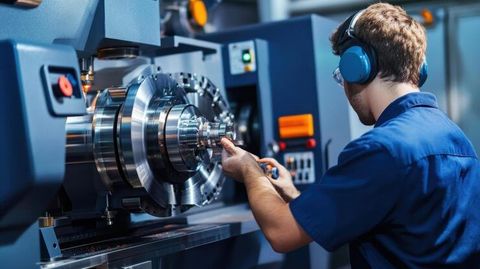
Modern manufacturing depends on precision, speed, and consistency. One important method used across many industries is CNC machining. CNC stands for Computer Numerical Control.
It is a manufacturing process where machines follow digital instructions to shape metal, plastic, wood, and other materials into detailed parts.
CNC machining is widely used in industries such as automotive, aerospace, electronics, medical equipment, and industrial production. From smartphone parts to airplane components, this process helps create products with accurate dimensions and smooth finishes.
The growing demand for high-quality production has made CNC machining an important topic for manufacturers, engineers, and technology enthusiasts. Understanding how this process works can help people learn how modern products are made with precision and efficiency.
Understanding the Concept
CNC machining is a process where computerized systems guide machines to cut, drill, shape, or engrave materials. Instead of manual operation, the machine follows programmed instructions.
Traditional machining often depends on human control. CNC technology improves accuracy because the machine repeats the same movements consistently. This reduces mistakes and improves production quality.
The process begins with a digital design created using CAD, which means Computer-Aided Design. The design is then converted into machine instructions. The CNC machine reads those instructions and performs the required movements automatically.
Common materials used in CNC machining include:
- Aluminum
- Steel
- Brass
- Titanium
- Plastic
- Acrylic
- Wood
Many industries prefer CNC machining because it can create highly detailed parts with reliable accuracy.
Key Types or Categories
Different CNC machines perform different tasks. Each machine type is designed for specific manufacturing needs.
CNC Milling Machines
CNC milling machines use rotating cutting tools to remove material from a solid block. These machines can create slots, holes, curves, and complex shapes.
Milling machines are commonly used for:
- Engine parts
- Industrial tools
- Metal brackets
- Machine components
CNC Lathes
A CNC lathe rotates the material while the cutting tool shapes it. This method works well for round or cylindrical objects.
Examples include:
- Shafts
- Bushings
- Pipe fittings
- Mechanical rollers
CNC Routers
CNC routers are often used for softer materials such as wood, foam, and plastic. They are popular in furniture production, sign making, and decorative panel creation.
CNC Plasma Cutting Machines
These machines use a high-temperature plasma torch to cut conductive metals. They are commonly used in heavy manufacturing and metal fabrication.
CNC Laser Machines
Laser machines use concentrated light beams for detailed cutting and engraving. They are known for precision and smooth edges.
Industries using laser machining include:
- Electronics
- Jewelry production
- Medical equipment
- Decorative manufacturing
Important Subsections
Precision Manufacturing
One major advantage of CNC machining is precision. Machines can create parts with extremely accurate dimensions. This is important for industries where even small measurement differences can affect performance.
For example, aircraft components require exact sizing for safety and reliability.
Automation and Consistency
CNC systems follow the same instructions repeatedly. This allows manufacturers to create identical parts with minimal variation.
Consistency is especially important in:
- Automotive manufacturing
- Medical device production
- Electronic component assembly
Material Flexibility
CNC machines can work with many materials. This flexibility allows manufacturers to create products for different industries using the same machining principles.
How It Works
The CNC machining process follows several important steps.
1. Creating the Design
The process begins with a digital drawing created using CAD tools. This design includes measurements, shapes, and production details.
2. Converting the Design Into Machine Instructions
The design is converted into machine-readable code. These instructions guide the CNC machine during production.
3. Preparing the Material
The selected material is placed securely inside the machine. Proper positioning is important for accurate cutting.
4. Machine Setup
Operators select the cutting tools and adjust machine settings based on the material and production requirements.
5. Machining Process
The CNC machine begins cutting, drilling, or shaping the material according to the programmed instructions.
Different actions may include:
- Cutting
- Milling
- Turning
- Engraving
- Drilling
6. Finishing and Inspection
After machining, the final part is checked for accuracy and surface quality. Additional finishing processes may improve appearance or durability.
Benefits and Advantages
CNC machining provides many advantages for modern manufacturing.
High Accuracy
Machines follow programmed instructions carefully, producing highly accurate parts.
Faster Production
Automation helps manufacturers complete production faster compared to traditional manual methods.
Reduced Material Waste
Precise cutting reduces unnecessary material removal, improving efficiency.
Improved Safety
Automated machining reduces direct human interaction with cutting tools and moving parts.
Better Product Quality
Consistent machining helps create reliable products with uniform dimensions.
Complex Shape Creation
CNC technology can produce detailed designs that are difficult to achieve manually.
Scalable Production
Manufacturers can produce small batches or large quantities using the same machining process.
Real-World Examples or Applications
CNC machining plays an important role in everyday products and industrial systems.
Automotive Industry
Vehicle manufacturers use CNC machining for engine parts, transmission components, brake systems, and custom metal parts.
Examples include:
- Pistons
- Cylinder heads
- Gear components
- Suspension parts
Aerospace Industry
Aircraft and spacecraft components require lightweight materials and precise dimensions. CNC machining helps create reliable parts for these demanding applications.
Medical Equipment
Medical industries use CNC machining to create precise surgical instruments and implant components.
Examples include:
- Bone screws
- Surgical tools
- Dental components
- Medical device housings
Electronics Manufacturing
Electronic devices contain many small and detailed parts produced through CNC machining.
Examples include:
- Smartphone frames
- Laptop housings
- Connector components
- Heat sinks
Industrial Equipment
Factories and industrial production facilities use CNC-machined components for machines and automation systems.
Consumer Products
Many everyday products contain CNC-machined parts, including:
- Watches
- Camera bodies
- Kitchen tools
- Sporting equipment
Important Factors to Understand
Several factors influence CNC machining performance and final product quality.
Material Selection
Different materials behave differently during machining. Hard metals may require stronger cutting tools and slower speeds.
Machine Calibration
Proper machine calibration ensures accurate dimensions and smooth operation.
Tool Quality
Cutting tools wear down over time. High-quality tools help maintain better precision and surface finish.
Programming Accuracy
Incorrect programming can lead to production errors. Careful programming is important for successful machining.
Surface Finish Requirements
Some products require smoother finishes than others. Additional polishing or finishing processes may be necessary.
Production Volume
Small production batches may use different machining strategies compared to large-scale manufacturing.
Future Trends and Industry Insights
CNC machining continues to evolve with advances in automation and digital manufacturing.
Smart Manufacturing
Modern CNC systems are becoming more connected through smart factory technology. Machines can share production data and improve efficiency automatically.
Artificial Intelligence Integration
AI-based monitoring systems can analyze machine performance and identify maintenance needs before problems occur.
Multi-Axis Machining
Advanced CNC machines now use multiple axes to create highly detailed parts from different angles without repositioning the material.
Improved Precision Technology
New machine designs continue improving cutting accuracy and surface quality.
Sustainable Manufacturing
Manufacturers are focusing on reducing energy use and minimizing material waste during machining operations.
Hybrid Manufacturing
Some systems combine CNC machining with additive manufacturing methods such as 3D printing. This allows greater design flexibility.
Faster Production Systems
Modern CNC machines continue improving production speed while maintaining high accuracy levels.
Conclusion
CNC machining has transformed modern manufacturing through precision, automation, and efficiency. It allows industries to create accurate and consistent parts for automotive, aerospace, electronics, medical equipment, and industrial applications.
The process combines digital design, automated machine control, and advanced cutting technology to produce detailed components from various materials. Different machine types such as milling machines, lathes, routers, and laser systems help manufacturers meet specific production needs.
As technology continues advancing, CNC machining is expected to become even smarter, faster, and more efficient. Innovations in automation, artificial intelligence, and smart manufacturing will continue shaping the future of precision production across industries worldwide.