Table of Contents

Best Security Equipment Explained: Essential Guide, Help, Knowledge, Details, and Smart Protection Tips

Best Security Equipment Explained: Essential Guide, Help, Knowledge, Details, and Smart Protection Tips

Security equipment refers to tools, devices, and systems designed to improve safety, monitor environments, and reduce risks related to theft, unauthorized access, cyber threats, and property damage. These systems are used in homes, offices, public buildings, educational institutions, transportation facilities, and digital environments.

Traditional security equipment mainly included locks, safes, and manual alarm systems. Over time, technology introduced advanced surveillance cameras, biometric authentication devices, wireless monitoring tools, and smart sensors connected through the internet. Today, modern security equipment combines physical protection with digital intelligence.

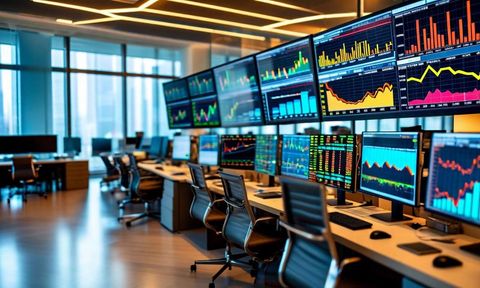
The growth of connected devices and online platforms has increased the need for better protection methods. Smart security systems now support remote monitoring, real-time alerts, cloud storage, and automated threat detection. Many organizations also integrate cybersecurity tools alongside physical security infrastructure to strengthen overall protection.

Common examples of security equipment include:

Security EquipmentMain PurposeCommon Usage
CCTV CamerasVideo monitoringHomes, offices, streets
Smart Door LocksControlled accessResidential buildings
Motion SensorsMovement detectionWarehouses, parking areas
Fire Alarm SystemsEmergency alertsSchools, hospitals
Biometric DevicesIdentity verificationOffices, airports
Cybersecurity HardwareNetwork protectionData centers, businesses

Why Security Equipment Matters Today

Security concerns have become more complex because both physical and digital threats continue to evolve. Homes increasingly use connected devices, businesses store sensitive information online, and public spaces require advanced monitoring systems for safety management.

Modern security equipment helps reduce risks in several ways:

  • Improves monitoring capabilities
  • Supports emergency response systems
  • Protects sensitive information
  • Helps manage building access
  • Detects unusual activities early
  • Encourages safer environments

Smart surveillance technology is especially important in urban environments where population density and digital connectivity are growing rapidly. Educational institutions use monitoring systems to improve campus safety, while healthcare facilities rely on secure access systems to protect patient information and restricted areas.

Cybersecurity equipment has also become essential because digital attacks can affect financial systems, communication networks, and personal data. Hardware firewalls, encrypted storage devices, and secure network monitoring tools help organizations strengthen data protection strategies.

The integration of artificial intelligence in surveillance systems has introduced automated facial recognition, object detection, and behavior analysis features. These technologies help reduce manual monitoring workload and improve response times during emergencies.

Recent Updates and Trends in Security Technology

The security industry has experienced major technological developments during 2025 and early 2026. Several important trends continue shaping the market and public awareness around protection systems.

Recent TrendDescriptionTimeline
AI-Powered SurveillanceCameras using artificial intelligence for object and motion analysis2025–2026
Cloud-Based MonitoringRemote video access through cloud platforms2025
Smart Home IntegrationSecurity systems connected with voice assistants and automation tools2025
Biometric ExpansionIncreased use of fingerprint and facial recognition systems2026
Zero-Trust CybersecurityStronger digital access verification practices2025–2026

Many smart protection systems now include machine learning features that improve threat detection accuracy over time. Wireless alarm systems have also become more energy efficient and easier to install in residential environments.

Several cybersecurity reports published in 2025 highlighted increased global concerns related to ransomware attacks, phishing campaigns, and connected device vulnerabilities. As a result, organizations are investing more heavily in network security equipment and encrypted communication tools.

Another important development involves the use of edge computing in surveillance technology. Instead of sending all footage to distant servers, some devices process data locally for faster analysis and improved privacy management.

Graph showing the growing adoption of smart security systems:

YearEstimated Smart Security Adoption
202238%
202346%
202455%
202564%
202671%

The increase reflects broader awareness of digital safety and the growing accessibility of connected monitoring systems.

Laws, Regulations, and Security Policies

Security equipment usage is often influenced by local laws, privacy regulations, and technology standards. Governments and regulatory bodies create policies to balance safety needs with personal privacy rights.

Common areas affected by regulations include:

  • Video surveillance permissions
  • Data storage requirements
  • Biometric information handling
  • Workplace monitoring standards
  • Cybersecurity compliance rules
  • Public safety monitoring practices

In many regions, organizations using CCTV systems must clearly inform individuals that surveillance is active. Privacy laws may also limit how long recorded footage can be stored and who can access it.

Biometric security systems are subject to stricter rules because they involve sensitive personal information such as fingerprints or facial data. Some jurisdictions require user consent before collecting biometric details.

Cybersecurity policies have expanded significantly in recent years. Governments increasingly encourage businesses to strengthen digital infrastructure against cyber threats. Data protection regulations often require secure encryption methods and responsible management of personal information.

Educational institutions, financial organizations, healthcare providers, and transportation authorities typically follow additional compliance standards because they manage sensitive information and large public environments.

Helpful Security Tools and Resources

Many digital tools and platforms support learning, planning, and managing security systems effectively. These resources can help users understand modern protection technologies and improve awareness of safety practices.

Useful categories include:

  • Security camera management platforms
  • Password management applications
  • Network monitoring dashboards
  • Cybersecurity learning platforms
  • Home automation systems
  • Data encryption tools
  • Incident reporting templates
  • Digital privacy checklists

Examples of commonly discussed tools and platforms include:

Tool TypePurpose
Password ManagersImprove account protection
VPN ApplicationsSecure internet traffic
Network ScannersDetect vulnerabilities
Smart Monitoring AppsRemote security access
Cloud Storage Security ToolsProtect stored files
Two-Factor Authentication AppsExtra login protection

Educational resources related to security technology are also available through universities, online training programs, public cybersecurity awareness campaigns, and government technology departments.

People interested in learning more about surveillance technology, cybersecurity equipment, and smart protection systems often explore:

  • Technical documentation
  • Safety awareness guides
  • Cybersecurity certification courses
  • Public data privacy resources
  • Emergency preparedness manuals

Frequently Asked Questions

What is the difference between physical security and cybersecurity?

Physical security focuses on protecting buildings, equipment, and people through devices such as cameras, alarms, and access control systems. Cybersecurity focuses on protecting digital systems, networks, and online information from cyber threats.

Are wireless security systems reliable?

Wireless security systems are widely used and can be effective when properly configured. Reliability depends on network stability, device quality, software updates, and secure password practices.

Why are biometric security systems becoming popular?

Biometric systems improve identity verification by using unique physical characteristics such as fingerprints or facial recognition. They reduce dependency on traditional passwords and access cards.

What are smart surveillance systems?

Smart surveillance systems use technologies such as artificial intelligence, motion analysis, cloud monitoring, and automated alerts to improve monitoring and threat detection capabilities.

How can individuals improve digital security awareness?

People can improve digital security by using strong passwords, enabling multi-factor authentication, updating software regularly, avoiding suspicious links, and learning about common cyber threats.

Conclusion

Security equipment continues evolving as technology, connectivity, and digital environments become more advanced. Modern protection systems now combine physical monitoring, artificial intelligence, cloud services, and cybersecurity strategies to address increasingly complex safety challenges.

Smart security systems help improve awareness, manage risks, and support safer environments across homes, businesses, healthcare facilities, educational institutions, and public infrastructure. At the same time, regulations and privacy policies remain important to ensure responsible use of surveillance and data protection technologies.

Understanding how security equipment works can help individuals and organizations make informed decisions about safety practices, digital awareness, and responsible technology use. As innovation continues, the focus will likely remain on smarter monitoring, stronger cybersecurity protection, and balanced privacy standards.


author-image

Harshit Sharma

We are a performance-driven media buying team focused on scaling brands through smart, data-backed advertising strategies

May 22, 2026 . 8 min read