Table of Contents

Explore EV Fleet Management: Guide, Tips, Insights, Basics, and Operational Knowledge

Explore EV Fleet Management: Guide, Tips, Insights, Basics, and Operational Knowledge

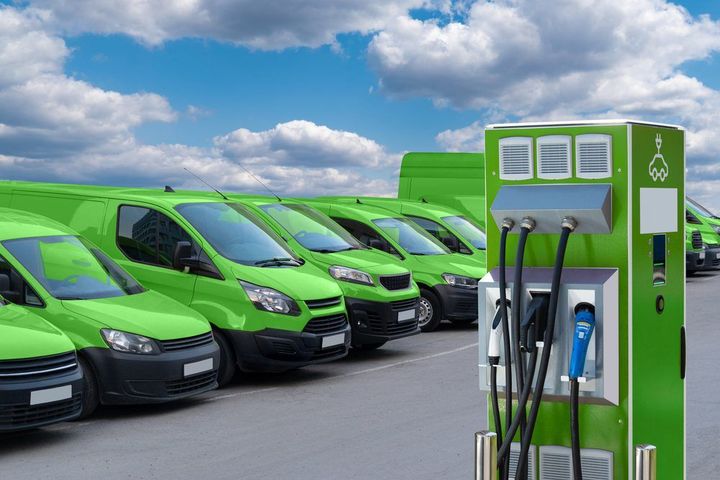
EV fleet management refers to the process of operating, monitoring, and maintaining a group of electric vehicles used for transportation, logistics, delivery, public transit, or company mobility. It combines vehicle tracking, charging coordination, battery monitoring, route planning, and data analysis to improve daily fleet operations.


Electric fleets exist because many organizations are transitioning from conventional fuel vehicles to electric transportation systems. This shift is influenced by environmental goals, fuel efficiency concerns, urban emission regulations, and advances in battery technology.

Modern EV fleet management systems typically include:

  • Fleet telematics platforms
  • Charging station monitoring
  • Battery health analytics
  • Driver behavior tracking
  • Energy consumption reporting
  • Predictive maintenance tools

Fleet operators may manage passenger cars, delivery vans, buses, or heavy-duty transport vehicles. The operational structure can vary depending on fleet size, industry, and travel patterns.

Core Components of EV Fleet Operations

ComponentPurpose
Battery Management SystemMonitors battery condition and charging performance
Fleet TelematicsTracks vehicles, routes, and driver activity
Charging InfrastructureSupports scheduled and efficient charging
Route OptimizationImproves energy usage and travel efficiency
Data Analytics DashboardProvides operational insights and reporting
Maintenance MonitoringIdentifies technical issues early

Why EV Fleet Management Matters

EV fleet management has become increasingly important because transportation systems are under pressure to reduce emissions and improve operational efficiency. Organizations that operate large vehicle fleets often face challenges related to fuel usage, maintenance scheduling, and compliance with environmental standards.

Electric fleet systems help address several operational problems:

  • Reduced dependence on fuel-based transportation
  • Better monitoring of energy consumption
  • Improved route efficiency
  • Lower vehicle noise levels in urban environments
  • Data-driven fleet planning

Industries affected by EV fleet adoption include:

  • Logistics and delivery operations
  • Public transportation
  • Corporate transportation
  • Municipal services
  • Utility companies
  • Educational institutions

Fleet managers also use digital tools to analyze charging patterns, driver performance, and vehicle availability. These insights support more informed transportation planning.

EV Fleet Workflow Overview

Fleet ActivityOperational Focus
Vehicle AssignmentMatching vehicles to routes
Charging CoordinationManaging charging schedules
Battery MonitoringTracking battery health and efficiency
Route PlanningReducing unnecessary energy usage
Maintenance ChecksPreventing downtime
Reporting and AnalyticsMeasuring fleet performance

Recent Trends and Updates in EV Fleet Management

The EV fleet sector has experienced major developments during the past year. Several trends are shaping how organizations manage electric transportation systems.

Expansion of Charging Infrastructure in 2025

During 2025, many regions expanded public and commercial EV charging networks to support larger electric fleets. Fast-charging corridors and depot charging systems became more common for logistics and municipal transportation.

Charging software platforms now include features such as:

  • Smart load balancing
  • Real-time charger monitoring
  • Energy demand forecasting
  • Automated charging schedules

These tools help reduce charging congestion and improve electricity management.

Increased Focus on Battery Analytics

Battery monitoring technologies improved significantly in 2025. Fleet operators increasingly use predictive analytics to estimate battery lifespan, charging efficiency, and degradation patterns.

Advanced battery analytics platforms can now:

  • Detect abnormal temperature conditions
  • Estimate remaining battery capacity
  • Analyze charging cycles
  • Predict maintenance needs

This trend supports more stable long-term fleet operations.

Growth of AI-Based Fleet Optimization

Artificial intelligence and machine learning systems are increasingly integrated into fleet management platforms. These technologies help analyze:

  • Traffic patterns
  • Driver efficiency
  • Energy consumption trends
  • Optimal charging windows

AI-supported route planning can improve operational efficiency while reducing unnecessary battery usage.

Expansion of Electric Commercial Vehicles

Several vehicle manufacturers introduced updated electric vans, buses, and heavy-duty transport models in 2025. Commercial electric fleets are expanding in sectors such as last-mile delivery and urban transit.

Fleet operators are also adopting mixed fleet systems where electric vehicles operate alongside conventional vehicles during transition periods.

EV Fleet Adoption Trends


Fleet Segment             Adoption Growth Trend
Delivery Vans High
Municipal Vehicles Moderate
Public Transit Buses High
Corporate Passenger Cars Moderate
Heavy-Duty Transport Emerging


Laws, Regulations, and Government Policies

EV fleet management is influenced by transportation regulations, environmental policies, and energy standards. These policies vary across countries and regions, but many governments are encouraging cleaner transportation systems.

Emission Reduction Policies

Many countries introduced stricter transportation emission targets between 2024 and 2025. Fleet operators may need to track carbon emissions and energy usage for compliance reporting.

Policies often focus on:

  • Urban air quality improvement
  • Reduced greenhouse gas emissions
  • Sustainable transportation planning
  • Energy transition programs

Charging Infrastructure Standards

Governments and industry groups continue developing charging standards to improve compatibility between vehicles and charging networks.

Common regulatory areas include:

  • Charger safety requirements
  • Electrical grid integration
  • Public charging accessibility
  • Energy efficiency standards

Fleet Reporting and Compliance

Some regions require transportation fleets to submit operational or environmental reports. Fleet management software can help organize data related to:

  • Vehicle mileage
  • Energy consumption
  • Emission reductions
  • Maintenance records

Incentive and Transition Programs

Several governments introduced transportation transition programs during 2025 to encourage electric mobility infrastructure development. These programs may support:

  • Charging station expansion
  • Public transit electrification
  • Fleet modernization initiatives
  • Research into battery technology

Policies continue evolving as transportation electrification expands globally.

Helpful Tools and Resources for EV Fleet Management

Fleet operators and researchers use a wide range of digital tools to manage electric transportation systems effectively.

Fleet Management Platforms

Popular fleet telematics platforms provide:

  • GPS tracking
  • Driver monitoring
  • Energy analytics
  • Vehicle diagnostics

Examples include platforms developed by major transportation technology companies and mobility software providers.

Charging Management Software

Charging management tools help coordinate:

  • Charging schedules
  • Electricity demand
  • Charger utilization
  • Fleet charging history

These systems are especially useful for depot-based vehicle operations.

Battery Analytics Platforms

Battery monitoring applications track:

  • Battery temperature
  • Charging cycles
  • Remaining range
  • Performance degradation

Battery data supports maintenance planning and operational forecasting.

Route Optimization Tools

Route planning software helps reduce unnecessary energy use by analyzing:

  • Traffic conditions
  • Elevation changes
  • Vehicle load capacity
  • Charging station availability

Educational Resources and Research Platforms

Helpful educational resources may include:

  • Transportation research organizations
  • Clean energy publications
  • Fleet sustainability reports
  • Mobility technology webinars
  • Electric transportation case studies

Useful EV Fleet Technology Categories

Technology TypeMain Function
Telematics SystemsVehicle tracking and analytics
Smart Charging PlatformsCharging coordination
Energy Monitoring ToolsElectricity usage analysis
Predictive Maintenance SoftwareMaintenance forecasting
Route Planning ApplicationsNavigation optimization
Reporting DashboardsOperational insights

Practical Tips for Managing EV Fleets

Organizations operating electric fleets often focus on long-term operational planning and consistent monitoring.

Helpful practices may include:

  • Monitoring battery health regularly
  • Scheduling charging during lower demand periods
  • Training drivers on efficient driving habits
  • Using telematics data for route analysis
  • Maintaining charging equipment inspections
  • Reviewing fleet energy reports periodically

Fleet operations can become more stable when vehicle usage, charging schedules, and maintenance planning are coordinated carefully.

Frequently Asked Questions

What is EV fleet management?

EV fleet management is the process of monitoring and operating multiple electric vehicles using software tools, charging systems, telematics, and battery analytics.

Why is charging management important for electric fleets?

Charging management helps ensure vehicles remain available for daily operations while reducing charging congestion and unnecessary electricity demand.

What industries commonly use electric fleets?

Electric fleets are commonly used in logistics, public transportation, municipal services, delivery operations, and corporate mobility programs.

How does telematics improve EV fleet efficiency?

Telematics systems provide real-time vehicle data, route insights, energy usage tracking, and maintenance alerts that help improve operational planning.

What challenges do EV fleets face?

Common challenges include charging infrastructure coordination, battery monitoring, route planning limitations, and electricity demand management.

Conclusion

EV fleet management has become an important part of modern transportation planning. As electric vehicles continue expanding across commercial and public transportation sectors, fleet operators increasingly rely on telematics, battery analytics, charging coordination, and route optimization technologies.

Recent developments in AI-driven fleet software, charging infrastructure expansion, and battery monitoring systems are shaping the future of electric mobility operations. Regulations and environmental policies are also influencing how transportation organizations manage fleet sustainability and compliance.

Understanding the fundamentals of EV fleet operations can help organizations, researchers, and transportation planners better navigate the evolving electric mobility landscape while improving operational efficiency and energy management.


author-image

Harshit Sharma

We are a performance-driven media buying team focused on scaling brands through smart, data-backed advertising strategies

May 21, 2026 . 8 min read