Battery Cell Manufacturing Guide to Materials, Processes and Technologies
Battery cell manufacturing is the industrial process of producing rechargeable or non-rechargeable battery cells that store and deliver electrical energy. These cells serve as the foundation of battery packs used in electric vehicles, consumer electronics, renewable energy storage systems, industrial equipment, and backup power applications.
As global demand for clean energy and electrification continues to grow, battery manufacturing has become one of the most important sectors within advanced manufacturing. Modern production facilities combine material science, automation, quality control systems, and precision engineering to produce reliable battery cells at large scale.
Understanding Battery Cell Manufacturing
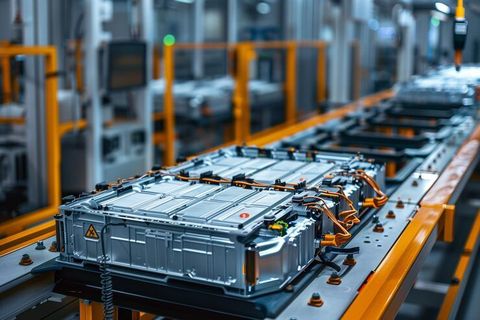
A battery cell is the smallest unit capable of storing electrical energy through electrochemical reactions. Multiple cells are combined to form modules and battery packs for various applications.
Battery cell manufacturing involves transforming raw materials into finished cells through a sequence of carefully controlled production stages. Each stage directly influences battery performance, safety, lifespan, and efficiency.
The process requires specialized manufacturing equipment, advanced monitoring systems, and strict quality standards to ensure consistent output.
Major Battery Cell Types
Common Battery Technologies
- Lithium-ion batteries
- Lithium iron phosphate (LFP) batteries
- Nickel manganese cobalt (NMC) batteries
- Nickel cobalt aluminum (NCA) batteries
- Solid-state batteries
- Sodium-ion batteries
- Lead-acid batteries
- Nickel-metal hydride batteries
Cell Form Factors
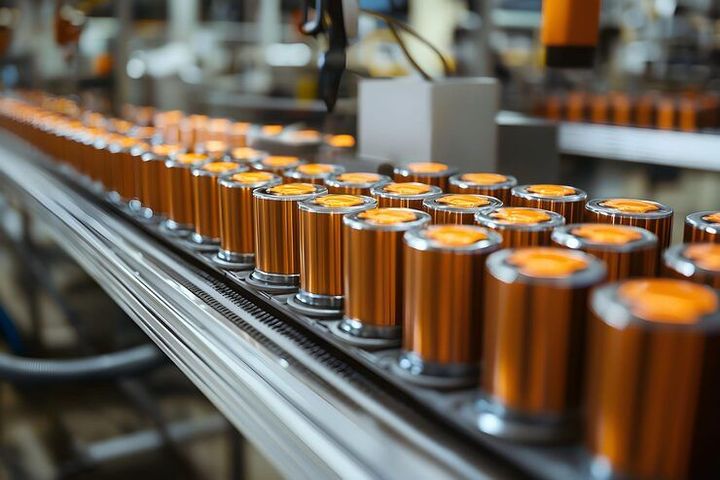
- Cylindrical cells
- Prismatic cells
- Pouch cells
- Coin cells
- Large-format industrial cells
Different cell formats are selected based on application requirements, energy density, safety characteristics, and manufacturing considerations.
Key Materials Used in Battery Production
The performance of a battery cell depends heavily on the materials used during manufacturing.
| Component | Primary Materials | Function |
|---|---|---|
| Cathode | Lithium, Nickel, Cobalt, Manganese, Iron Phosphate | Stores and releases lithium ions |
| Anode | Graphite, Silicon Blends | Receives lithium ions during charging |
| Electrolyte | Lithium Salt Solutions | Transfers ions between electrodes |
| Separator | Polymer Membranes | Prevents short circuits |
| Current Collectors | Copper and Aluminum Foils | Conduct electrical current |
| Cell Housing | Steel, Aluminum, Laminates | Provides structural protection |
Advancements in battery materials continue to improve energy density, charging speed, durability, and operational safety.
How Battery Cell Manufacturing Works
Battery production follows a highly structured workflow designed to achieve precision and consistency.
Raw Material Preparation
- Active materials are processed and purified
- Powders are mixed into specialized slurries
- Material composition is verified through testing
- Moisture levels are carefully controlled
This stage establishes the foundation for battery quality and performance.
Electrode Manufacturing
- Cathode and anode slurries are coated onto metal foils
- Coated foils pass through drying systems
- Electrode sheets are compressed using calendering equipment
- Thickness and density are inspected
Uniform electrode production is critical for achieving stable battery performance.
Electrode Cutting and Shaping
- Electrode sheets are cut into precise dimensions
- Automated systems remove defects
- Components are prepared for assembly
Precision cutting helps ensure proper cell balance and efficiency.
Cell Assembly
- Cathodes, anodes, and separators are stacked or wound together
- Components are inserted into cell housings
- Electrical connections are established
- Automated equipment performs assembly operations
This stage transforms individual materials into functional battery cells.
Electrolyte Filling
- Electrolyte is injected into assembled cells
- Vacuum systems improve penetration
- Internal components are fully saturated
Proper electrolyte distribution supports efficient ion movement.
Formation and Aging
- Cells undergo controlled charging and discharging cycles
- Electrochemical reactions stabilize internal structures
- Performance characteristics are evaluated
Formation is one of the most important stages in battery manufacturing.
Testing and Quality Control
- Capacity measurements
- Internal resistance testing
- Safety verification
- Thermal performance analysis
- Visual inspections
Only cells meeting required specifications proceed to final packaging.
Importance of Battery Cell Manufacturing
Battery manufacturing plays a vital role in the transition toward electrification and sustainable energy systems.
Key Benefits
- Supports electric vehicle production
- Enables renewable energy storage
- Powers portable electronic devices
- Improves energy efficiency
- Reduces dependence on fossil fuels
- Supports grid stabilization projects
Growing battery production capacity is considered essential for future energy infrastructure.
Real-World Applications
Battery cells are used across numerous industries and technologies.
Transportation
- Electric cars
- Electric buses
- Electric trucks
- Electric motorcycles
- Marine vessels
Consumer Electronics
- Smartphones
- Tablets
- Laptops
- Wearable devices
- Cameras
Renewable Energy Storage
- Solar energy systems
- Wind energy storage facilities
- Residential backup systems
- Utility-scale storage projects
Industrial Applications
- Material handling equipment
- Robotics systems
- Telecommunications infrastructure
- Data centers
- Uninterruptible power systems
The versatility of battery technology continues to expand into new sectors.
Challenges Solved by Modern Battery Manufacturing
Advanced manufacturing technologies address several critical industry challenges.
Production Challenges Addressed
- Improved energy density
- Enhanced battery safety
- Faster charging performance
- Longer operational lifespan
- Better thermal management
- Reduced production variability
Automation and digital manufacturing systems play an increasingly important role in solving these challenges.
Key Manufacturing Technologies
Modern facilities rely on advanced equipment and software systems.
Important Production Technologies
- Automated coating systems
- Precision calendering equipment
- Laser welding systems
- Machine vision inspection platforms
- Manufacturing execution systems
- Digital quality monitoring solutions
- Industrial automation controls
- Artificial intelligence analytics
These technologies help improve production consistency while supporting large-scale manufacturing operations.
Recent Industry Trends and Developments
The battery manufacturing industry experienced significant developments during 2025 and 2026.
Notable Developments
- Expanded global investment in lithium-ion battery production facilities throughout 2025
- Increased adoption of lithium iron phosphate (LFP) chemistry for electric vehicle applications
- Continued advancement of solid-state battery research programs during 2025–2026
- Growth of battery recycling integration within manufacturing ecosystems
- Greater use of artificial intelligence for predictive quality control
- Expansion of sodium-ion battery pilot manufacturing projects
- Increased focus on supply chain diversification and raw material sourcing
Many manufacturers are also implementing digital twin technologies to optimize production efficiency and reduce manufacturing defects.
Regulations and Industry Standards
Battery manufacturing is subject to various safety, environmental, and transportation requirements.
Important Standards and Regulations
- IEC battery safety standards
- ISO 9001 quality management requirements
- ISO 14001 environmental management standards
- UN transportation regulations for lithium batteries
- Occupational safety regulations for manufacturing facilities
- Environmental compliance requirements for waste management
- Extended producer responsibility programs in various regions
Compliance helps improve product safety and environmental sustainability.
Useful Tools and Learning Resources
Professionals and students can explore various resources to better understand battery production technologies.
Educational Resources
- Technical research journals
- Battery technology conferences
- University energy storage programs
- Manufacturing engineering publications
- Electrochemistry learning platforms
Industrial Tools
- Battery simulation software
- Process monitoring systems
- Quality inspection equipment
- Manufacturing execution systems
- Digital twin platforms
- Data analytics solutions
These resources support continuous learning and operational improvement.
Future Outlook
Battery cell manufacturing is expected to remain a strategic industry as demand for energy storage grows worldwide.
Emerging Areas
- Solid-state battery production
- Silicon-rich anode technologies
- Sodium-ion manufacturing expansion
- Advanced recycling technologies
- AI-assisted manufacturing optimization
- Sustainable material sourcing
- High-speed automated production systems
Future developments will likely focus on improving energy density, safety, sustainability, and manufacturing efficiency.
FAQs
What is battery cell manufacturing?
Battery cell manufacturing is the industrial process of producing battery cells by assembling electrodes, electrolytes, separators, and structural components into energy storage devices.
Which battery type is most commonly manufactured today?
Lithium-ion batteries are currently the most widely manufactured battery type due to their high energy density, long cycle life, and broad range of applications.
Why is quality control important in battery manufacturing?
Quality control helps ensure battery safety, reliability, performance consistency, and compliance with industry standards.
What industries depend on battery cell production?
Electric vehicles, renewable energy storage, consumer electronics, industrial automation, telecommunications, and data centers all depend on battery manufacturing.
What technologies are shaping the future of battery manufacturing?
Artificial intelligence, automation, digital twin systems, solid-state batteries, advanced materials, and battery recycling technologies are influencing future manufacturing developments.
Conclusion
Battery cell manufacturing is a highly specialized process that combines advanced materials, precision engineering, automation, and quality management to produce reliable energy storage solutions. From electric vehicles and renewable energy systems to consumer electronics and industrial infrastructure, battery cells play a critical role in modern technology. Ongoing developments in manufacturing processes, battery chemistries, sustainability practices, and digital production systems continue to improve performance and efficiency. As global demand for energy storage grows, battery cell manufacturing will remain a key driver of innovation and industrial development across multiple sectors.