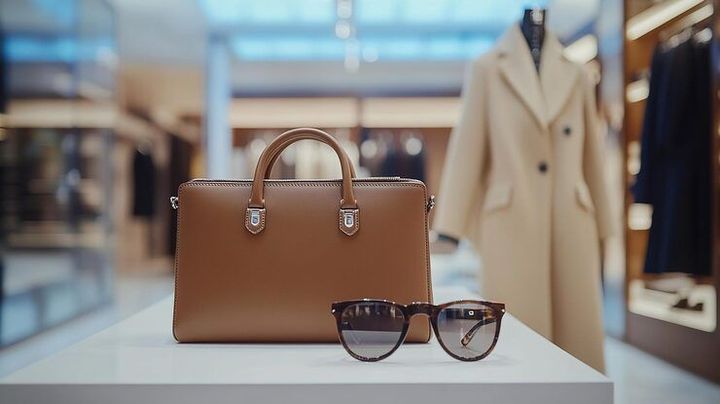
An Essential Resource to Choosing the Perfect Luxury Fashion Accessories
Ever wondered why designer handbags or stylish sunglasses come with such high price tags? Let’s explore the world of luxury fashion accessories and apparel to uncover what makes them so desirable. Beyond the iconic logos, it’s craftsmanship, brand heritage, exclusivity, and attention to detail that create their appeal, making each piece a symbol of style and status.
The Allure of Luxury Fashion Accessories
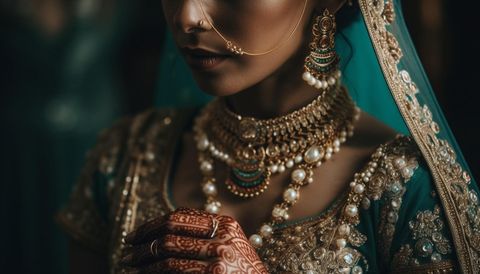
Luxury fashion accessories aren't just about covering your eyes or carrying your stuff; they're about making a statement. Think of it like this: a regular pair of sunglasses protects your eyes from the sun, but a pair of luxury sunglasses screams, "I have taste (and maybe a trust fund)." The same goes for handbags. You *could* carry your phone and wallet in a basic tote bag, but a luxury designer handbag sends a completely different message. What is that message, exactly? That's what we're going to unpack.
One of the biggest draws is the perceived (and often real) quality. Luxury brands often use the finest materials, from the softest leather to the most durable hardware. This translates to accessories that not only look good but also last longer. For example, a handbag made with vegetable-tanned leather might develop a beautiful patina over time, making it even more desirable. Some sources estimate that luxury handbags can retain up to 80% of their original value, depending on the brand and condition, making them almost an investment piece. You can find information on leather tanning processes at Leather Dictionary.
But quality is just one piece of the puzzle. Exclusivity plays a huge role too. Luxury brands often produce limited quantities of certain items, creating a sense of scarcity and driving up demand. This exclusivity is often boosted by celebrity endorsements and strategic placement in high-end boutiques and department stores. Seeing your favorite celeb rocking a particular designer bag can definitely add to the 'I need it' factor.
Dissecting Luxury Fashion Apparel
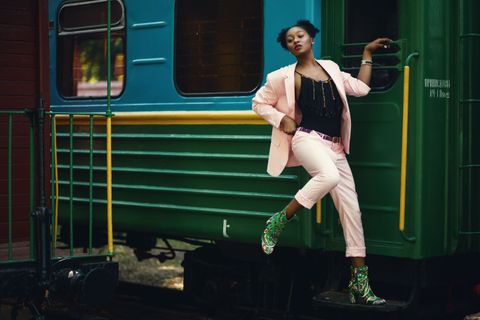
Okay, so we've covered accessories, but what about clothing? What makes luxury fashion apparel stand out from the fast-fashion crowd? Again, quality is key. Luxury apparel often features superior craftsmanship, meticulous attention to detail, and the use of premium fabrics like silk, cashmere, and high-end cottons. Think about the difference between a mass-produced t-shirt and one made from Egyptian cotton with reinforced seams. The latter will not only feel better but will also hold its shape and color much longer.
Beyond the materials, design and construction are paramount. Luxury brands employ skilled designers and artisans who create garments that are not only aesthetically pleasing but also well-fitted and durable. They pay attention to the small details – the placement of a dart, the angle of a seam, the weight of the fabric – all of which contribute to the overall quality and feel of the garment. This focus on design leads to clothing that is both stylish and timeless.
Let's consider an example: a well-tailored wool coat. The quality of the wool, the precision of the cut, and the meticulous hand-stitching will all contribute to the coat's overall warmth, comfort, and durability. A luxury coat might last for decades, while a cheaper alternative might start to show wear and tear after just a few seasons. Luxury fashion apparel is meant to be an investment that grows with you.
The Psychology of Luxury
Let's get a little psychological for a moment. Why are people so drawn to luxury items in the first place? Is it just about showing off, or is there something more profound at play? The answer, as you might expect, is complex. For some, luxury goods represent status and achievement. They're a way of signaling to the world that they've "made it." This is often linked to the concept of "conspicuous consumption," where people purchase expensive items primarily to display their wealth. However, psychology of consumerism delves much further than that and is deeply rooted in our perception of belonging and aspiration.
But for others, luxury is about self-expression and personal fulfillment. They might appreciate the artistry, craftsmanship, and attention to detail that goes into creating a luxury item. They might see it as a way of treating themselves or celebrating a special occasion. Luxury fashion accessories and apparel can become an extension of one's personality and a way of expressing their unique style and taste. Think of it like art you can wear.
There's also a strong emotional component to luxury purchases. The act of buying a luxury item can trigger feelings of excitement, joy, and satisfaction. Owning something beautiful and well-made can boost self-confidence and enhance one's overall sense of well-being. The feeling of owning a perfectly crafted luxury designer handbag, for example, is an experience of its own. This is a very personal and subjective experience, of course.
Navigating the Luxury Market: Tips and Tricks
So, you're intrigued by the world of luxury, but you're not sure where to start? Here are a few tips to help you navigate the luxury market without breaking the bank:
- Do your research: Before you buy anything, research the brand, the materials, and the construction. Read reviews, compare prices, and make sure you're getting a good deal. Many websites like PurseBlog focus specifically on handbags and accessories and have in-depth reviews.
- Consider buying pre-owned: Buying pre-owned luxury items can be a great way to save money. Just be sure to purchase from a reputable seller and inspect the item carefully before you buy. There are many online marketplaces that specialize in pre-owned luxury goods.
- Focus on quality over quantity: Instead of buying a lot of cheap items, invest in a few high-quality pieces that will last for years. A classic trench coat or a well-made leather handbag can be worn for decades.
- Look for sales and discounts: Luxury brands occasionally offer sales and discounts, especially during the off-season. Sign up for email alerts and follow your favorite brands on social media to stay informed.
- Don't be afraid to ask questions: If you're not sure about something, don't be afraid to ask a salesperson for help. They can provide valuable information about the product and help you make an informed decision.
The Sustainability Question
Let's address the elephant in the room: sustainability. The fashion industry, including the luxury sector, has a significant environmental impact. From the use of raw materials to the manufacturing process, fashion contributes to pollution, waste, and climate change. However, many luxury brands are now taking steps to become more sustainable.
Some brands are using recycled materials, reducing their water consumption, and implementing ethical labor practices. Others are partnering with environmental organizations to offset their carbon footprint. Consumers are also becoming more aware of the environmental impact of their purchases and are demanding more sustainable options. This increasing demand for sustainability is pushing brands to innovate and adopt more responsible practices.
When considering a luxury purchase, it's worth researching the brand's sustainability initiatives. Look for brands that are transparent about their supply chain, use sustainable materials, and have a commitment to ethical labor practices. By supporting these brands, you can help create a more sustainable future for the fashion industry. Another place to research ethical fashion is at Good On You, a website that rates brands based on their environmental and social impact.
The Future of Luxury Fashion
What does the future hold for luxury fashion? Several trends are shaping the industry, including the rise of e-commerce, the growing importance of personalization, and the increasing demand for sustainability. E-commerce has made luxury goods more accessible to a wider audience. Consumers can now shop for designer handbags and luxury apparel from the comfort of their own homes. This has led to increased competition among brands and has forced them to innovate and offer a more personalized shopping experience.
Personalization is becoming increasingly important as consumers seek out unique and customized products. Luxury brands are responding by offering personalized services such as bespoke tailoring, monogramming, and custom design. The ability to create a truly unique and personalized item is a major draw for luxury consumers.
As we've already discussed, sustainability will continue to be a major focus in the future. Consumers will demand more transparency and accountability from brands, and luxury brands will need to demonstrate their commitment to sustainability in order to remain competitive. The future of luxury fashion will be defined by innovation, personalization, and a commitment to sustainability.
Conclusion
The realm of luxury fashion accessories and apparel combines artistry, psychology, and economics. Owning these pieces isn’t just about expense—it’s about self-expression, valuing craftsmanship, and making a statement. Understanding what makes a designer handbag or high-end sunglasses special helps you appreciate their uniqueness. Consider researching, exploring pre-owned options, and investing in items that truly reflect your style. With thoughtful choices, you can enjoy luxury pieces that resonate personally while confidently showcasing your individuality and sophistication.