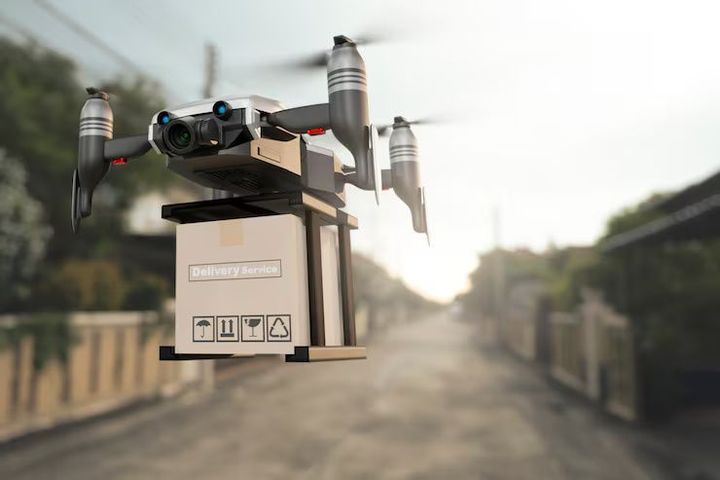
Alternative Drone Mapping Technologies With Smart Automation
Drone-free mapping methods are stepping into the spotlight when groups need faster ways to gather land, nature, facility, or workflow details. Though standard drone surveys still dominate, newer options now back them up - sometimes even outperforming old approaches. With smart sensors leading some efforts, others rely on self-running controls alongside machine learning and software tricks that sharpen map precision while stretching how much ground gets covered.
Nowhere near what it once was, the rise of smart machines reshapes how location details get gathered and studied. Industry by industry, groups rely more on auto-mapped insights - thanks to worldwide tech studies - guiding choices, oversight, preparation, and checks. Drones offer another path, cutting hands-on work yet boosting how fast and well facts are captured.
These tools matter just as much on the ground as they do in the air. Because of new ways to map spaces, city planners track road conditions while ecologists watch forests shift over time. When builders lay out sites or farmers assess fields, different automated methods offer clearer pictures than old techniques ever did. Even warehouse teams and delivery networks rely on updated spatial data without always realizing it. For anyone working with land, space, or movement, fresh approaches to capturing terrain make a difference. Engineers notice changes faster. Surveyors reduce errors across large plots. Project leads adjust plans based on real-time updates instead of guesswork. Business operators cut waste by tracking assets precisely. Students explore geography through live models rather than static maps. Researchers test theories using layered digital landscapes that respond dynamically. Knowing what drives each system reveals more than specs alone can show. The people involved shape how tech evolves, not the other way around.
People impacted and issues addressed
Drone-based mapping tools shake up how different fields work. Out in the field, survey crews gather location data to build virtual replicas of terrain. For construction folks, keeping tabs on development zones means leaning into these imaging systems. Instead of old-school methods, ecologists track land shifts through aerial views. Road supervisors watch wear and tear using overhead scans. Farmers adjust crop routines thanks to detailed ground insights. Scientists spot environmental trends via high-altitude imagery. Factories manage large sites by pulling in precise spatial records.
Most groups struggle to gather information quickly if their map tools are slow. When details lack precision or reach, work drags on. Measuring land by hand takes ages, especially out in wide or tricky terrain. Time eats up budgets. Drones change that rhythm - flying instead of walking, capturing data while moving. Efficiency rises once machines handle the legwork. Costs dip as hours shrink.
Getting clear details from faraway or tough spots often causes problems. Because machines can now move on their own, people stay farther away while still tracking what happens. When tools analyze facts faster, work fits better with real goals. New ways to draw layouts appear more often than before.
Recent Updates
Year by year, smarter machines shape how maps come together. Navigation that thinks ahead shows up more often where maps are made. Flight routes now get shaped by software that learns patterns over time. Gathering map details runs smoother when tasks follow preset logic. Less handwork happens because systems handle steps on their own. Progress moves quietly but steadily behind the scenes.
Picture this - artificial intelligence is quietly reshaping how maps work today. Instead of manual checks, smart systems now scan visuals and sort data on their own. Outcomes? Faster pattern spotting, sharper predictions, better choices. With these tools live, companies handle massive datasets without getting buried. Efficiency climbs when machines take over repetitive tasks.
Now machines sense better. Some drones snap pictures that show more than just shapes - heat, moisture, texture too. This shift sharpens maps while opening new ways to use them.
Lately, cloud-powered computing has drawn more interest, alongside digital teamwork apps. With linked systems, groups handle map tasks better - spreading data flows one way, study outcomes another, while keeping actions lined up. Such shifts help make sense of the main tools shaping maps right now.
Comparison Table
A look at different tools people use instead of regular drones for mapping shows what each one does best. Some choose these options based on where they work or what details matter most.
LiDAR Mapping Measures Terrain Surveys And Infrastructure. Satellite Mapping Monitors Large Areas For Environment. Laser Scanning Maps Structures In Construction. Mobile Systems Collect Data On The Move For Transport. Photogrammetry Uses Images To Document Sites. Robots Map Spaces Automatically In Industry. GIS Visualizes Data For Planning. Multispectral Checks Surface Conditions In Farming. Thermal Tools Assess Temperature In Infrastructure. Sensors Track Environments Continuously For Resources.
Now picture this: mapping tools have moved past just snapping pictures from above. Instead of relying on old methods, new options offer unique strengths tailored to specific tasks and goals.
Technology Components Information
Some drones map using LiDAR instead of regular cameras. Laser beams scan the ground below, building sharp 3D pictures of landforms, buildings, and surroundings. Even when light is low or obstacles block views, precise readings still come through clearly.
Out in the open, photogrammetry setups map spaces differently. Instead of single shots, they pull together many pictures for accuracy. Software takes these visuals, works through them, then builds precise replicas of real-world locations. Details emerge clearly, shaped by light and angle, turning pixels into measurable depth.
From the ground up, laser scanners capture exact dimensions of buildings and large installations. Often found in use across fields like design work, factory checks, project oversight, or civil works when precision matters most.
Out there, smart bits like navigation tools team up with AI programs to reshape how maps come together. Sensors chime in alongside networks that talk constantly, passing details back and forth. Processing hubs take in streams of info, shaping them into something usable. Efficiency climbs when these pieces move as one. Accuracy gets a nudge upward, quietly. Flexibility grows behind the scenes, adapting without fanfare. Each role fits within a wider rhythm, unseen but steady.
Rules and How to Follow Them
Most nations set rules for mapping tools around safety, how they work, who sees the data, and how it is stored. These laws usually cover device usage, gathering details, protecting info, plus safe working setups. Following such guidelines encourages careful use of tech.
Starting off strong means thinking ahead when it comes to map projects. Before picking tools, groups need to weigh goals alongside landscape factors, what info they must collect, gear limits, and how work gets done. Better prep leads to smarter results while using time and materials more wisely.
What happens to the info matters just as much. When maps come together, piles of details pile up - safe keeping, review, and clear notes become key. Good handling turns raw details into something useful, aligning with goals set far ahead. How teams treat data shapes what it can do later.
Which Option Fits Your Situation?
Out in the field, teams needing precise ground elevation data tend to rely on LiDAR gear. Drones equipped with such tools capture sharp spatial records - ideal when plotting land surveys, roads, or construction frameworks.
Laser scanning sits alongside photogrammetry when builders and engineers map sites. Because these tools help track how work moves forward, they shape early plans just as much as final records. While one captures precise shapes with light, the other builds data from images - each feeding different parts of the workflow.
Out in the fields, sensors catch light beyond what eyes see. Where satellites trace land shifts, teams spot changes over time. With these tools, groups track ecosystems without stepping foot nearby. Instead of guesswork, they rely on data stitched from above. Through color clues missed by humans, machines reveal plant stress early. When patterns emerge, decisions follow with less delay. Not every project needs drones - some just watch quietly from orbit.
Out in the yards and plants, constant oversight often means turning to webbed sensors paired with self-guided layout tools. Such setups handle info gathering without stopping, feeding choices that keep things running. When what is needed becomes clear, it opens a path toward practical aids built for charting spaces and structures.
Tools & Resources
From time to time, tools appear that guide groups through the details of using map-based systems. A few options offer clear paths for learning how these methods work in practice.
A map-based tool helps show data across locations while exploring patterns in space. Its design lets users study relationships on the ground through visual layouts instead of numbers alone.
Photogrammetry Processing Tools - Help create digital models from image data.
Survey Planning Platforms - Assist in organizing mapping projects and workflows.
Storing maps? That system handles it. Pulling insights from location data? It works there too. Reports based on geography? Covered just the same. Handling details behind the scenes keeps everything running without a hitch.
Engineering Reference Guides - Explain mapping principles and measurement technologies.
Automation Learning Resources - Provide information regarding smart mapping systems and digital workflows.
Out in the open, specs show up alongside user guides inside tech doc collections. These spots hold answers about how mapping tools work, step by step. Manuals appear where systems need clear rules spelled out. Details live here, ready to explain functions when questions arise. Instructions unfold slowly, matching each feature with care.
From time to time, better choices come from using these tools - shaping how projects take form while sharpening map accuracy. Questions about different drone-based mapping methods? Covered, often before you even ask.
Frequently Asked Questions
What are alternative drone mapping technologies?
Out in the field, drones aren’t alone - LiDAR steps in where detail matters most. Sometimes it's photogrammetry doing the heavy lifting, stitching images into models. Satellite mapping shows up when wide coverage is key. Laser scanners bring precision without needing flight at all. Autonomous robots creep through tight spaces, building maps on the move. Smart sensors spread out like nets, feeding live details. Each method links to others, forming a web of ways to see terrain. Industries pull from these tools whenever they need answers fast.
Why are alternative mapping technologies important?
With tools beyond traditional maps, gathering data becomes quicker while precision gets a boost. Because of this shift, teams spend less time on repetitive tasks yet handle complicated work more smoothly. When it comes to shaping strategies or tracking progress, fresh approaches deliver insights that matter. Decisions gain strength when built on clearer spatial understanding.
LiDAR Mapping Explained?
Bouncing pulses off surfaces helps map land, buildings, and surroundings in sharp detail - this method relies on lasers. Accuracy keeps it popular among teams measuring earth features, designing layouts, or studying natural systems.
How does smart automation improve mapping?
Automation makes maps smarter through self-guided tools that gather information, study patterns, then share results. Because of this, people step in less often, tasks run smoother, outcomes stay steady, and what's happening becomes clearer to see.
Could mapping tools do more than just measure land?
Construction crews rely on mapping tools, yet farmers use them too. Environmental work includes these systems just as much as city planners do. Infrastructure teams track assets through such tech while industry monitors processes differently. Transport networks depend on maps more than many expect. Scientists apply the methods regularly, even if it seems unrelated at first glance. Resource tracking happens this way now, though few notice the shift. Surveying once stood alone, but those days have clearly passed.
Conclusion
Out in the field, drones equipped with new sensing tools are changing how teams gather location data. Instead of old methods, many now rely on light pulses from LiDAR to map terrain sharply. Picture-based measurements - called photogrammetry - turn ordinary images into precise models. Laser scanners capture fine details without needing people onsite. Satellites add another layer, watching large areas over time. These sensors talk to each other, feeding live updates through networked devices. Each tool fits different jobs, yet together they shape smarter decisions across industries.
Whatever tools you pick, what matters is how they fit the job at hand - terrain type, goals, and setup shape choices. Knowing gear types, parts involved, and real-world limits guides better decisions when matching tech to tasks.
Drone maps might just get smarter, thanks to faster tech in AI and digital tools. Not only do these changes boost precision, they also smooth out how systems work together. With time, different approaches could reshape tasks in farming, construction, maybe even city planning. Progress here ties closely to how well machines learn on their own. Expect fewer errors, quicker results - without extra effort. Behind the scenes, better software keeps pushing what drones can show us. Entire fields may shift, simply because data now flows differently. Little by little, old methods fade when new ones deliver so much more.